The contractors who stay profitable through the next two years are the ones who know their real cost per job, not their theoretical cost per square foot.
September brings another relatively light round of PHCP-PVF price increases, with adjustments affecting pumps, valves, piping products, and other plumbing-related product categories, with increases from 3% to 30%.
In this episode of So It Flows, ASPE president Bryan L. Hutton shares what attendees can expect from the organization’s big biennial event, from technical education and new technologies to networking with plumbing engineers, designers, contractors, manufacturers, and other industry professionals.
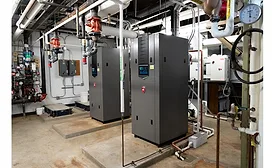
Tasked with protecting valuable artwork while controlling operating costs, the Tacoma Art Museum upgraded its heating system with Lochinvar Crest with Hellcat boilers. The retrofit has delivered energy savings of more than 10% while helping the nonprofit secure grant funding for the project.
The lead-free transition is entering its next phase, and engineered polymers are helping plumbing manufacturers and contractors balance long-term performance, manufacturing efficiency and sustainability in demanding drinking water applications.
The Knoxville, Tennessee-based company has been in business for 16 years, and is expanding beyond plumbing to add heating and air services. For owner Jamie Foster, that growth presented an opportunity to rethink the company’s longtime branding.
AHRI data shows residential gas and electric shipments returning to monthly growth, while the commercial market remains mixed through the first half of 2026.
Three of the four storage water heater categories posted year-over-year monthly increases: residential gas rose 6.7%, residential electric increased 0.8% and commercial electric jumped 10.9%. Commercial gas was the exception, declining 5%.
Non-pressurized storage systems have advantages and limitations. In applications where cost per gallon of storage is critical, or where it’s otherwise impractical to bring in one or more pressure-rated tanks, a non-pressurized tank combined with the piping and control concepts discussed represents a viable solution to leverage the combination of time-of-use electrical rates, heat pumps, and the unsurpassed comfort made possible by modern hydronics technology.
A familiar name can make all the difference when a homeowner needs help fast. That's why building brand recognition before the emergency can give plumbing and mechanical contractors an edge when customers are ready to call.

 RSS
RSS