search
cart
facebook instagram twitter linkedin youtube
  • Sign In
  • Create Account
  • Sign Out
  • My Account
  • NEWS
  • PRODUCTS
    • FEATURED PRODUCTS
  • CONTRACTORS
    • BATH & KITCHEN PRO
    • BUSINESS MANAGEMENT
    • HIGH EFFICIENCY HOMES
    • TECHNOLOGY
    • WATER TREATMENT
    • PMC COLUMNS
      • Dave Yates: Contractor’s Corner
      • John Siegenthaler: Hydronics Workshop
      • Kenny Chapman: The Blue Collar Coach
      • Matt Michel: Service Plumbing Pros
      • Scott Secor: Heating Perceptions
  • ENGINEERS
    • CONTINUING EDUCATION
    • DECARBONIZATION | ELECTRIFICATION
    • FIRE PROTECTION
    • GEOTHERMAL | SOLAR THERMAL
    • PIPING | PLUMBING | PVF
    • PME COLUMNS
      • Christoph Lohr: Strategic Plumbing Insights
      • David Dexter: Plumbing Talking Points
      • James Dipping: Engineer Viewpoints
      • John Seigenthaler: Renewable Heating Design
      • Lowell Manalo: Plumbing Essentials
      • Misty Guard: Guard on Compliance
  • RADIANT & HYDRONICS
    • RADIANT COMFORT REPORT
    • THE GLITCH & THE FIX
  • INSIGHTS
    • CODES
    • GREEN PLUMBING & MECHANICAL
    • PROJECT PROFILES
    • COLUMNS
      • Codes Corner
      • Natalie Forster: Editorial Opinion
      • Guest Editorial
  • MEDIA
    • EBOOKS
    • PODCASTS
    • VIDEOS
    • WEBINARS
  • RESOURCES
    • INDUSTRY CALENDAR
    • DIRECTORIES
    • PM BOOKSTORE
    • CE CENTER
    • MARKET RESEARCH
    • CLASSIFIEDS
  • EMAGAZINE
    • EMAGAZINE
    • ARCHIVE ISSUES
    • CONTACT
    • ADVERTISE
    • PME EMAGAZINE ARCHIVES
  • SIGN UP!
Radiant & HydronicsThe Glitch & The Fix

The Glitch & The Fix: Zone 3 failure

Can you figure out why this boiler circulator failed?
By John Siegenthaler, P.E.
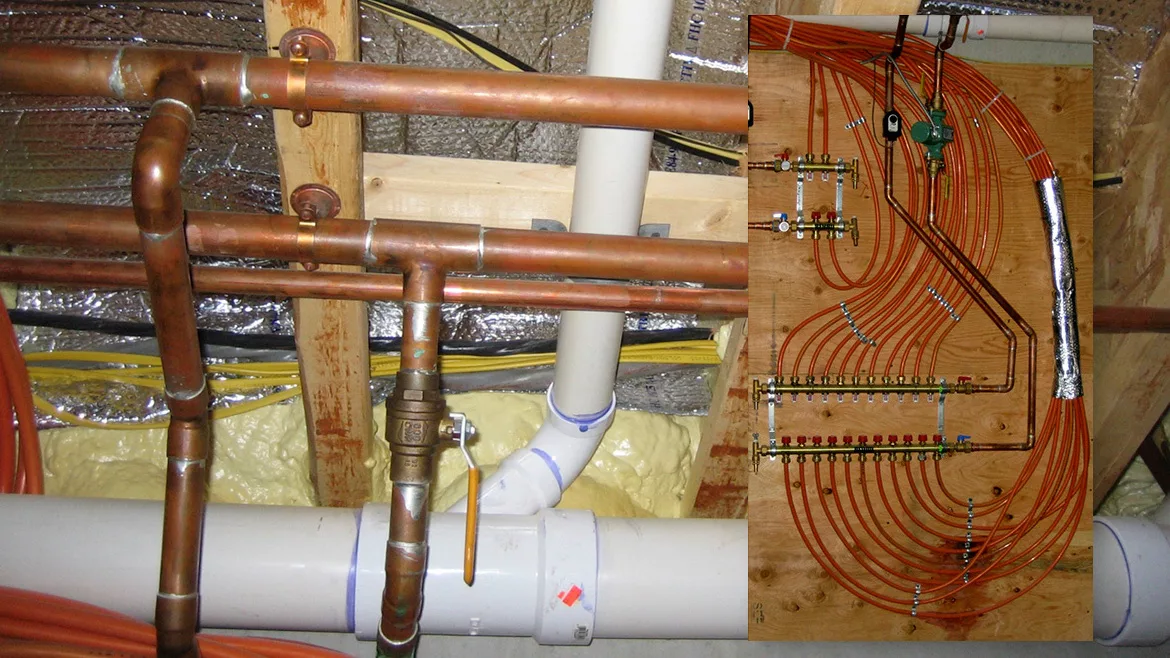
Figure 1 with a figure 2 overlay
Image courtesy of John Siegenthaler
December 16, 2025
✕
Image in modal.

The Glitch:

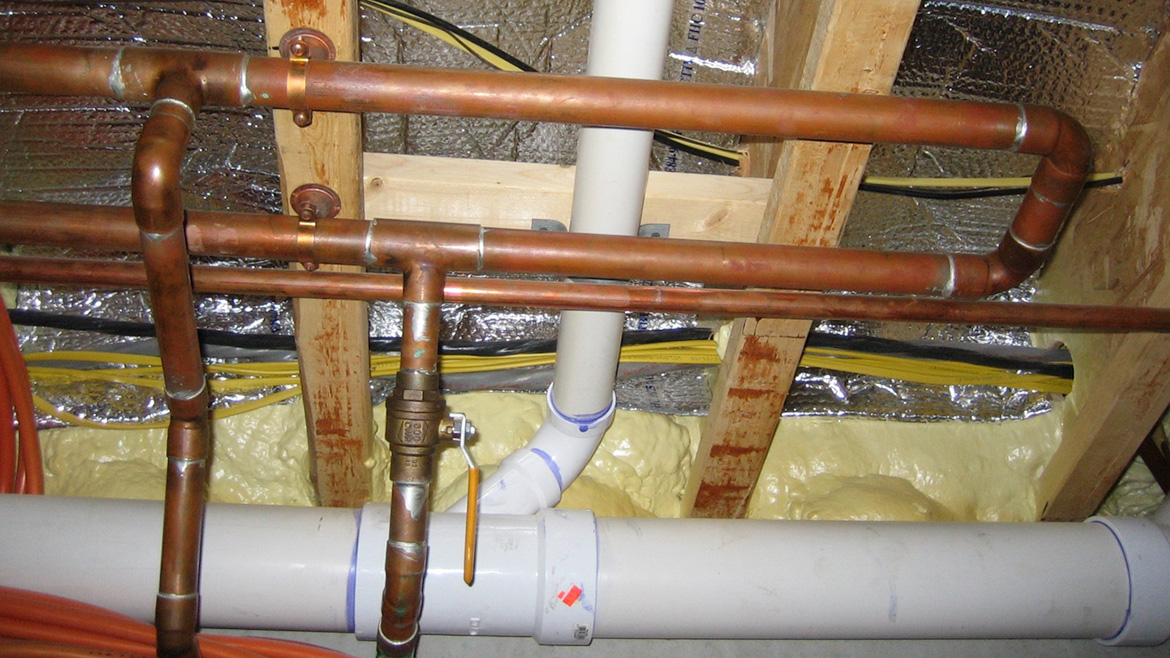
Take a look at the piping in figure1.

FIGURE 1

Figure 1: horizontal piping is the end of a “boiler loop” assembled with 1” copper tubing and fastened to the underside of floor framing.

Image courtesy of John Siegenthaler

The horizontal piping is the end of a “boiler loop” assembled with 1” copper tubing and fastened to the underside of floor framing.

Figure 2 shows the 3/4” copper tubing that tees into that boiler loop going down to a manifold station. The pipe on the right passes through a ball valve, then down through a circulator. The pipe on the left passes up through a zone valve.

FIGURE 2
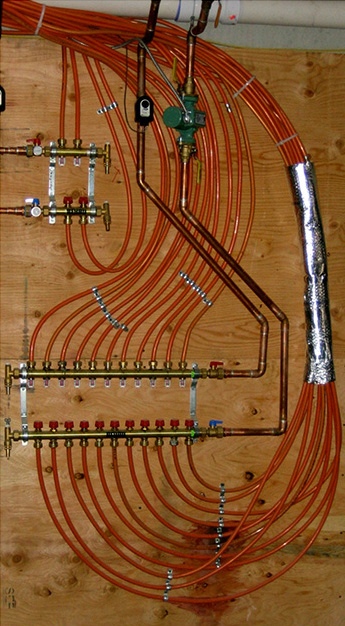
Figure 2 the 3/4” copper tubing that tees into that boiler loop going down to a manifold station.

Image courtesy of John Siegenthaler

Figure 3 is a partial schematic of the overall system.

FIGURE 3
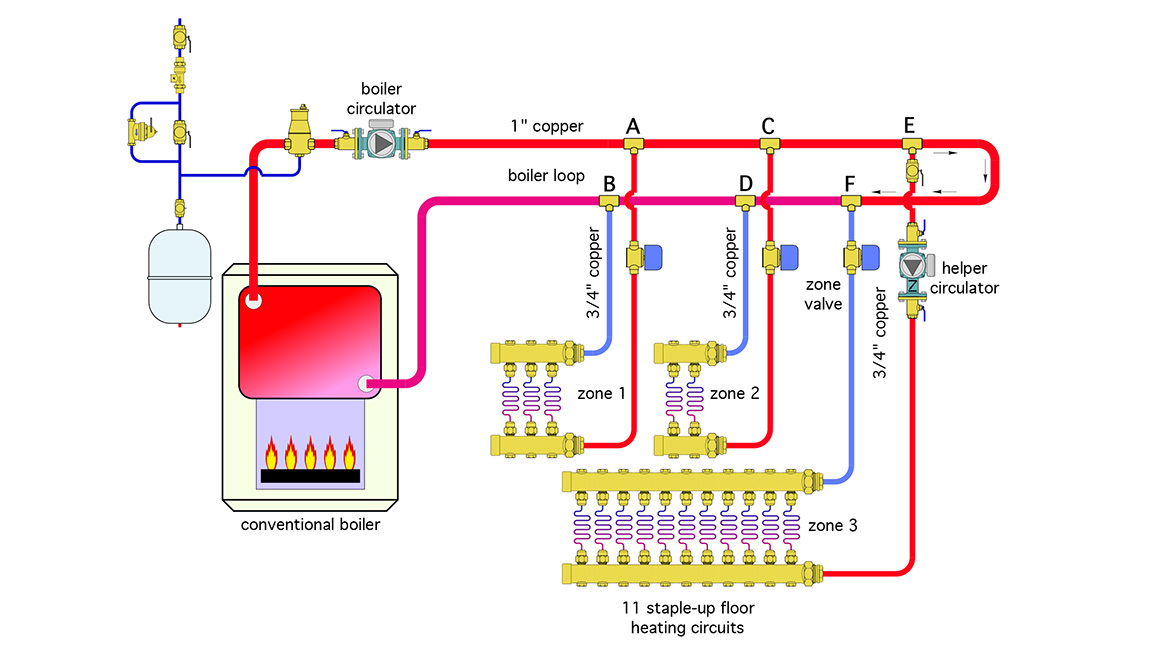
Figure 3: partial schematic of the overall system.

Drawing courtesy of John Siegenthaler

The “intent” for this system was three independently controlled zones. The boiler circulator was set up to run when any zone valve opens.

Zones 1 and 2 provided adequate comfort, but zone 3 did not. In an attempt to remedy the situation, the installer returned and added a “helper circulator” in zone 3 that operates along with the zone valve.

Can you speculate why heat delivery in zone 3 was insufficient prior to the helper pump? Can you come up with a better way to pipe this system? Try to look past the waste of a couple hundred feet of PEX-AL-PEX tubing leading from the manifold stations up to the floor panels in figure 2 as you think about how to rework the system.

What’s wrong

This is another one of those “undefined” piping layouts that attempts to meld the concepts of a primary loop and a header system.

The only differential pressure that drives flow through zone 1 is the pressure drop between points A and B as water flows around the boiler loop. Likewise, the only differential pressure that drives flow through zone 2 is that caused by pressure drop between points C and D as water flows around the boiler loop. Apparently, since zone 1 only serves three floor circuits, and zone 2 only serves 3 floor circuits, the differential pressure developed is sufficient to keep the rate of heat delivery above the “callback threshold.”

Too bad that’s not what’s happening in zone 3. The only differential pressure pushing flow through zone 3 (prior to adding the helper circulator) was the pressure drop between points E and F due to flow around the boiler loop.

Since zone 3 serves 11 circuits, it requires substantially higher flow than zones 1 and 2. I often suggest a nominal flow of 1 GPM per 1/2” floor heating circuit. If that were the goal, zone 3 would need to operate at around 11 GPM. That would mean the 3/4” copper tubing serving the zone 3 manifold station would operate at a flow velocity of about 6.8 feet per second. That’s high enough to create flow noise and eventual erosion corrosion.

The helper circulator does “help,” but there’s another potential problem. If the flow through zone 3 with the helper circulator is greater than the flow in the boiler loop, some of the flow returning from the zone 3 manifold will go backwards from point F to point E in the boiler loop. This will cause mixing at point E that reduces the supply temperature to zone 3.

The fix

The hydraulic solution to this situation is relatively straight forward:

  1. Cut and cap the end of the boiler loop, convert the system to headers.
  2. Upsize the piping leading to the zone 3 manifold to 1” copper.
  3. Install flow indicating balancing valves in each of the zones.
  4. Install a purging hose bib under each balancing valve.
  5. Install a variable-speed pressure-regulated circulator in place of the boiler circulator.

Figure 4 shows these modifications.

FIGURE 4
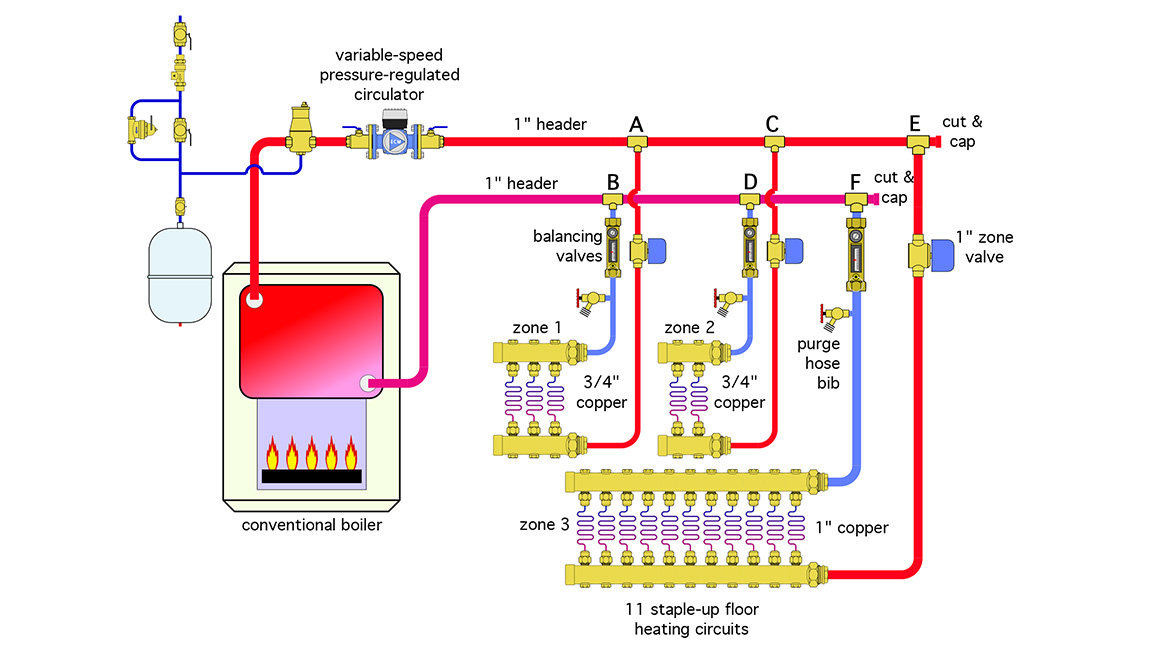
Figure 4 shows the modifications.

Drawing courtesy of John Siegenthaler

Converting the 1” boiler loop to 1” headers is a compromise. The 1” headers are still a bit small if the goal is to get 11 GPM out to zone 3, especially when zones 1 and 2 are also operating. Ideally, I would suggest 1.5” headers. The larger headers would reduce flow rate variations as individual zones operate in different on/off combinations. Still, if there’s limited times when all three zones would operate simultaneously, keeping the existing 1” pipe is arguably a reasonable compromise.

Zone 3 will dominate when it comes to selecting and configuring the new variable-speed pressure-regulated circulator. It should be sized for the total flow rate with all zones operating, and the head loss of the supply and return headers added to the head loss through all components in zone 3, assuming a nominal 11 GPM to the zone 3 manifold station. The CV of the new 1” zone valve should be as high a possible to minimize this head loss.

Finally, when you need to route tubing from a manifold station up to floor panels please look into “inverted” manifolds that mount to a wall and have branch piping connections pointing up along with their float vent. Another option is mounting manifold stations that don’t have float vents horizontally, between, or just below the floor framing as shown in figure 5.  You’ll save a lot of tubing and reduce heat loss compared to the “artistry” shown in figure 2.

FIGURE 5
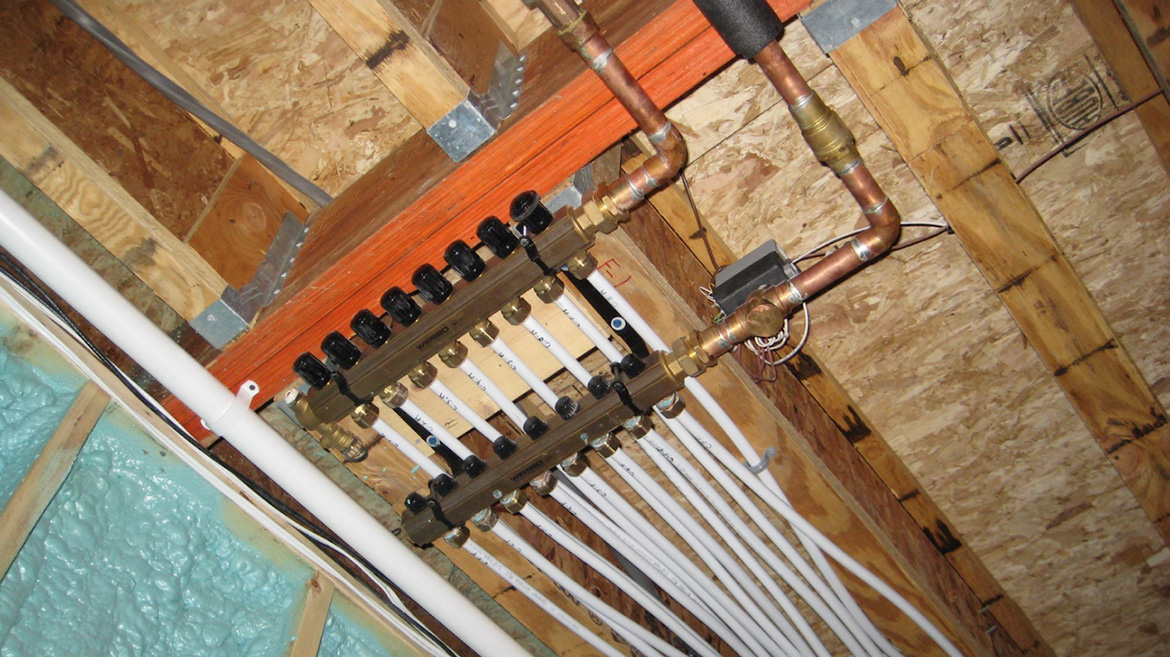
Figure 5: mounting manifold stations that don't have float vents horizontally, between, or just below the floor framing.

Image courtesy of John Siegenthaler

Are you an ace troubleshooter?

PM’s Hydronics Editor John Siegenthaler, P.E., will pose a question to you, our readers, to review a system’s schematic layout and discover its faults, flaws and defects. Good luck!
Read More The Glitch & The Fix⮞

KEYWORDS: boilers heating hydronics hydronics systems radiant heating

Share This Story

Looking for a reprint of this article?
From high-res PDFs to custom plaques, order your copy today!

John siegenthaler 200x200

John Siegenthaler, P.E., is a consulting engineer and principal of Appropriate Designs in Holland Patent, New York. In partnership with HeatSpring, he has developed several online courses that provide in-depth, design-level training in modern hydronics systems, air-to-water heat pumps and biomass boiler systems. Additional information and resources for hydronic system design are available on Siegenthaler’s website,  www.hydronicpros.com.

Recommended Content

JOIN TODAY
to unlock your recommendations.

Already have an account? Sign In

  • 2025 Next Gen ALL-STARS hero 1440

    2025 Next Gen All Stars: Top 20 Under 40 Plumbing Professionals

    This year’s group of NextGen All-Stars is full of young...
    Plumbing & Mechanical Engineer
    By: Kristen R. Bayles
  • Worker using the Milwaukee Tool SWITCH PACK drain cleaner

    Pipeline profits: Drain cleaning, pipe inspection create opportunities

    Drain cleaning and inspection services offer lucrative...
    Plumbing News
    By: Nicole Krawcke
  • Uponor employee, Arturo Moreno

    The reinvestment in American manufacturing and training

    Plumbing & Mechanical Chief Editor Nicole Krawcke and...
    Plumbing News
    By: Nicole Krawcke and Natalie Forster
Manage My Account
  • Newsletters
  • Online Registration
  • Subscription Customer Service
  • eMagazine
  • Manage My Preferences

More Videos

Popular Stories

Plumbing pipes in kitchen renovation.

New pipe sizing standard brings critical changes and innovation to building services

The Glitch & The Fix

The Glitch & The Fix: Geo-normous problems

Air Conditioning Condenser Unit Mounted on a Concrete Slab outside of a Suburban Brick Home in Tennessee.

What’s it capable of? (part 1)

Download the FREE 2025 Water Conservation, Quality & Safety eBook

Poll

Getting your new hire jobsite-ready

How long does it typically take to get a new hire jobsite-ready?
View Results Poll Archive

Products

The Water Came To A Stop

The Water Came To A Stop

See More Products
eBook | 2025 Radiant & Hydronics All Stars

Related Articles

  • The Glitch & The Fix

    The Glitch & The Fix: Geo-normous problems

    See More
  • Figure 1 is a sketch of the flow problems of the current plumbing system.

    Hydronic heating glitch solved: Why adding a circulator won't fix primary loop flow issue

    See More
  • It represents the manufacturer’s recommendation for installing a two-zone system.

    Following instructions for installing a two-zone system

    See More

Related Products

See More Products
  • The ACCA Job Safety (1).jpg

    The ACCA On-The-Job Safety Handbook (Pack of 5)

  • Classic Hydronics - How To Get The Most From Those Older Hot-Water Heating Systems

  • what hydronics taught holohan.jpg

    What Hydronics Taught Holohan: A Memoir of Life in the Heating Industry

See More Products
×

Keep your content unclogged with our newsletters!

Stay in the know on the latest plumbing & piping industry trends.

JOIN TODAY!
  • RESOURCES
    • Advertise
    • Contact Us
    • Directories
    • Store
    • Want More
    • Supply House Times
  • SIGN UP TODAY
    • Create Account
    • eMagazine
    • Newsletter
    • Customer Service
    • Manage Preferences
  • SERVICES
    • Marketing Services
    • Reprints
    • Market Research
    • List Rental
    • Survey/Respondent Access
  • STAY CONNECTED
    • LinkedIn
    • Facebook
    • Instagram
    • YouTube
    • X (Twitter)
  • PRIVACY
    • PRIVACY POLICY
    • TERMS & CONDITIONS
    • DO NOT SELL MY PERSONAL INFORMATION
    • PRIVACY REQUEST
    • ACCESSIBILITY

Copyright ©2026. All Rights Reserved BNP Media.

Design, CMS, Hosting & Web Development :: ePublishing