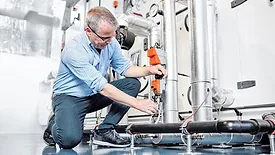
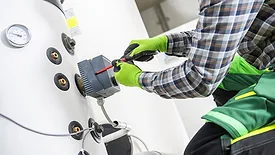
As sustainability goals, labor shortages, and connected building technologies continue to reshape the market, valve selection has become more strategic than ever. Manufacturers say successful valve selection requires looking beyond initial cost and considering how the valve will perform as part of the overall piping system throughout the life of the building.
In a business driven by efficiency and productivity, Cassie Pound believes the greatest competitive advantage is human connection. Learn how her people-first approach to leadership, hiring and customer service has built a culture of trust that extends far beyond the service call.
Understanding where business intelligence leaks occur can help contractors improve cash flow, strengthen margins and make smarter operational decisions.
At a time when supply chains, workforce development and economic resilience remain top concerns, many manufacturers are reaffirming their commitment to producing products in the United States. Beyond supporting local jobs, domestic operations can offer greater quality control, shorter lead times, closer collaboration between engineering and production teams, and stronger connections to customers and distribution partners.
For many contractors, heat pump water heaters still feel like a niche product; something tied more closely to rebates, energy programs or high-efficiency upgrades than to everyday water heater replacement work. But, according to Gregg Holladay of Bradford White, that perception is about to change quickly.
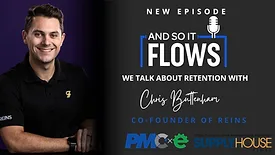
In a new episode of And So It Flows, Chris Buttenham discusses how retention planning can help plumbing contractors protect company value before a future sale.
Buttenham says plumbing business owners should start thinking about retention years before a sale, especially if they want the company to thrive after they step away.
The next-level leader does not do everything. They build the people and the systems that make everything work, long after they step away from the day-to-day.
The cost of falling behind is not limited to one missed product detail: it can show up in callbacks, efficiency problems, customer dissatisfaction and reduced contractor confidence.
Continuing education is no longer just about learning what is new. It is about protecting quality, reducing risk and making sure contractors are prepared for the systems they will be expected to install and service next.
Contractors who continue to grow will be the ones who stay informed, embrace training, and prepare to move in the direction that the industry is heading.
The New Mexico Environmental Improvement Board took industry's simplification requests on labeling seriously — and held the line on almost everything else.

 RSS
RSS