Hydronics Workshop | John Siegenthaler
Why thermal mass and domestic hot water demand don’t always play nicely together
Hands off!

I recently had opportunity to stay at a very nice Airbnb on the Northern Pacific coast. It was one of several units in a single building that was mostly built of concrete and glass, the latter to capture a spectacular view of the Pacific ocean.
My wife loved the layout. Nice clean rooms, whirlpool tub, 2 walk-in showers and fully decked out kitchen.
As soon as I dropped the suitcases, I noticed that the floors were pleasantly warm. I wasn’t expecting this given the concrete and glass building envelope. So, my first order of business was to find the source of those warm floors.
Isn’t that what most of you would do given the same circumstances?
I started at the thermostat - which had a very prominent notice posted above it, as shown in figure 1
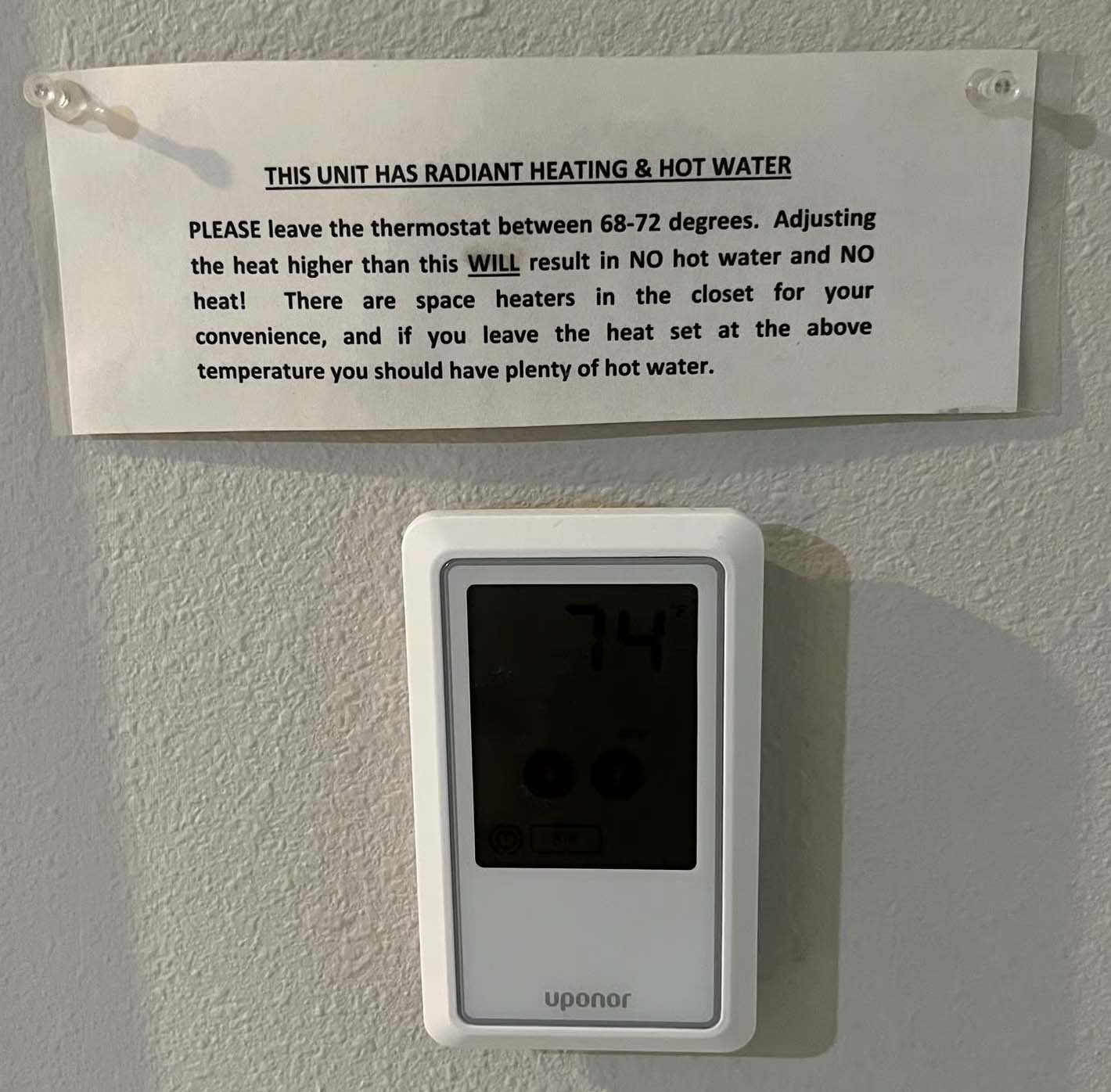
Figure 1. Courtesy of John Siegenthaler, click to enlarge.
A door adjacent to the thermostat opened to a combined laundry/mechanical room. The next picture shows part of what I found.
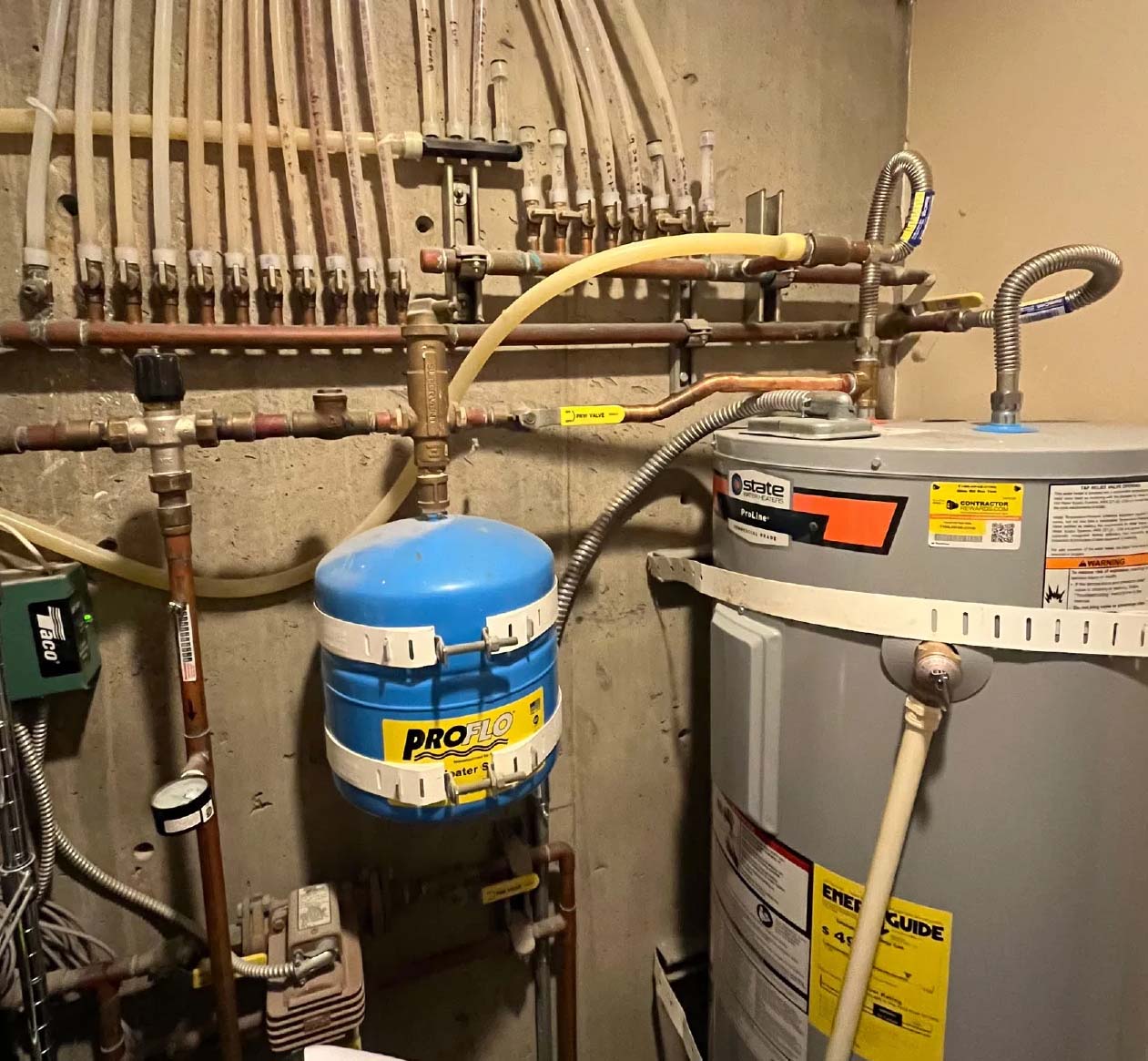
Figure 2. Courtesy of John Siegenthaler
Those copper tube manifolds are all sourced from the electric water heater tank on the right. They distribute potable water to various fixtures in the house. The 3-way thermostatic mixing valve seen on the left goes to the floor heating circuits. The bronze circulator in the lower left of the photo provides the flow.
Why a bronze circulator, you say? Because the water going through the floor circuits also flows through the water heater. There was no heat exchanger or other method of separating the potable water that supplied the fixtures from that recirculating through the floor circuits.
I don’t advocate this type of “open” hydronic heating system. It can lead to stagnant water in the floor circuits which becomes a potential breeding ground for bacteria. But, that’s only part of the story.
Nip & tuck
If you look closely at those copper manifolds, you’ll see there’s another “mini” manifold just above them. Figure 3 shows a zoomed-in view of this manifold.
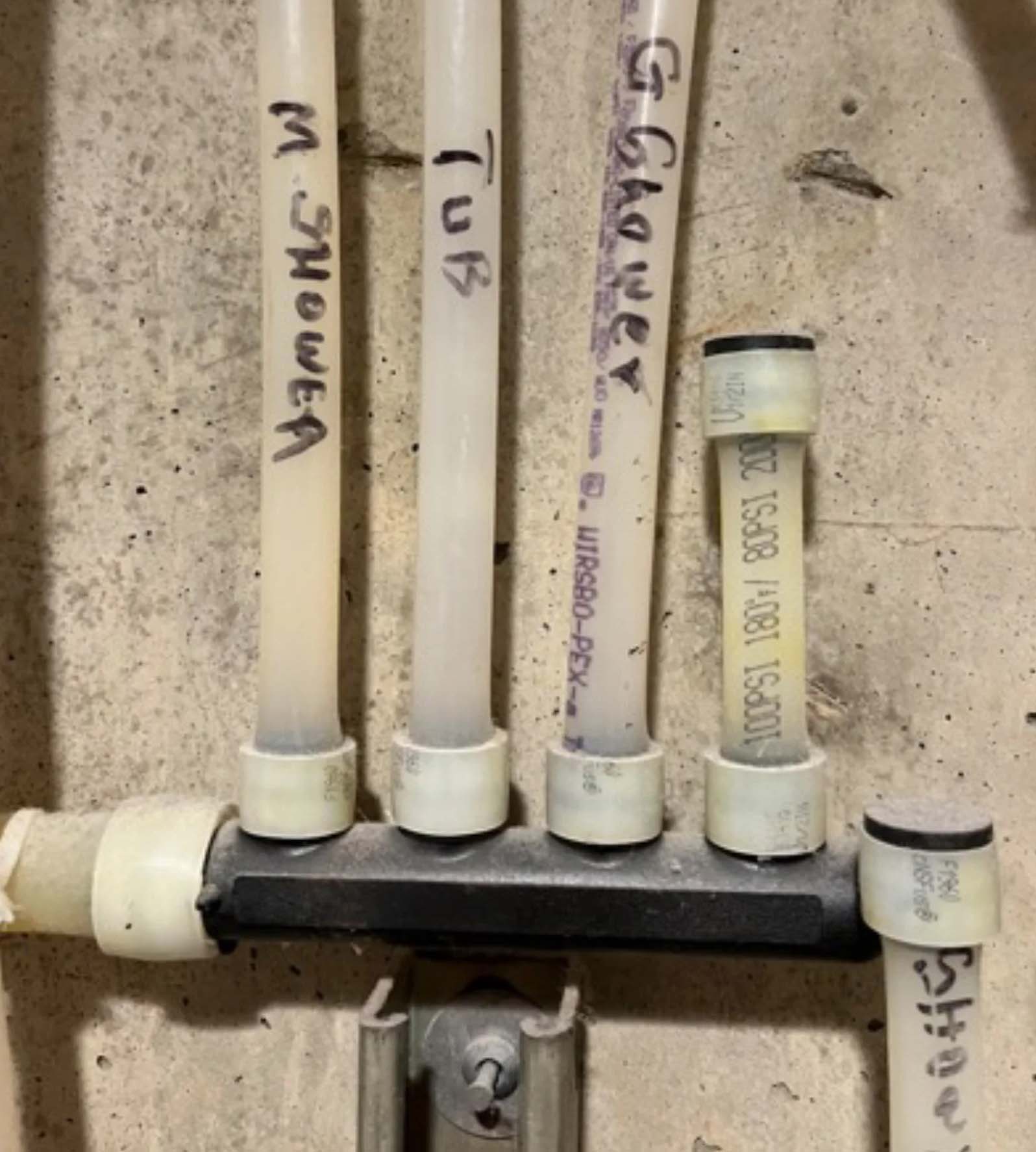
Figure 3. Courtesy of John Siegenthaler
The three fixtures served by the mini manifold are labelled M (master) shower, Tub, and G (guest) shower. The 4th connection was capped off. Figure 4 shows where all three of these supply lines had been previously connected to the copper manifold. Notice that the mini ball valves for all three of these capped circuits are turned off.
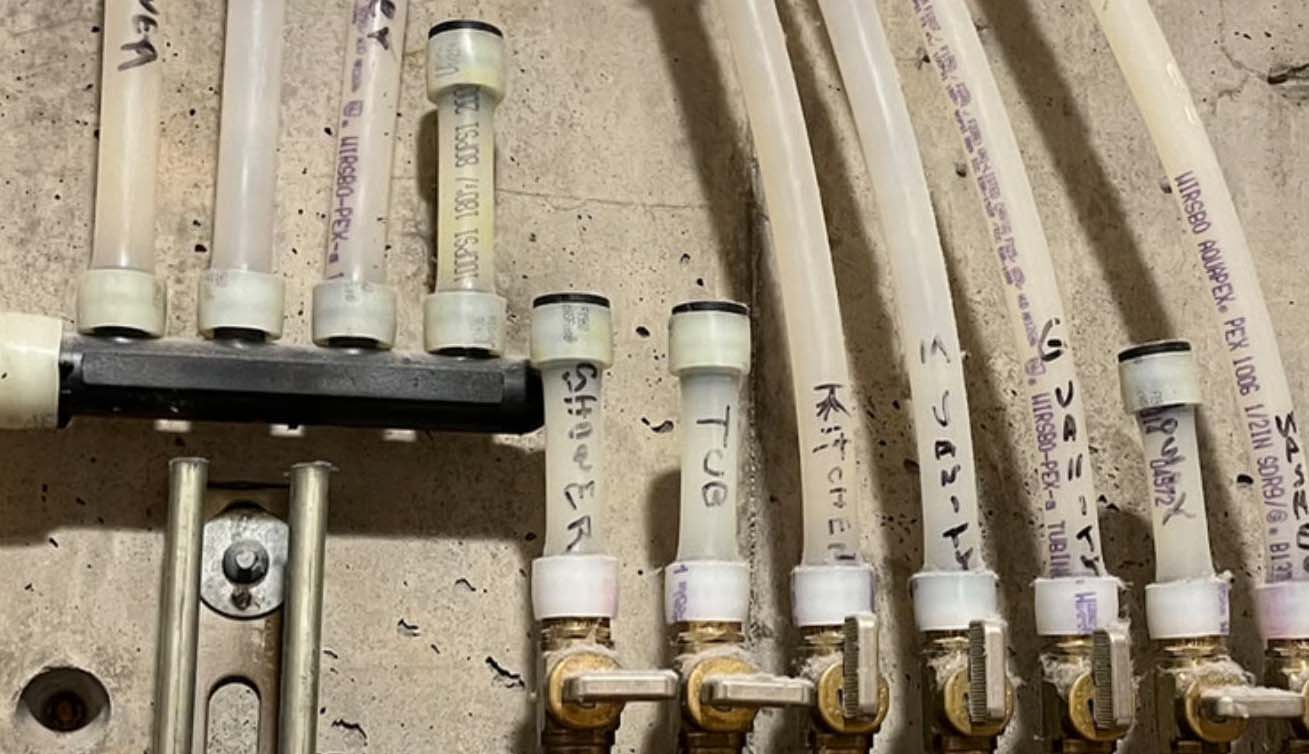
Figure 4. Courtesy of John Siegenthaler
The mini manifold was supplied by a 3/4” PEX tube that led back to the electric tankless heater shown in figure 5.
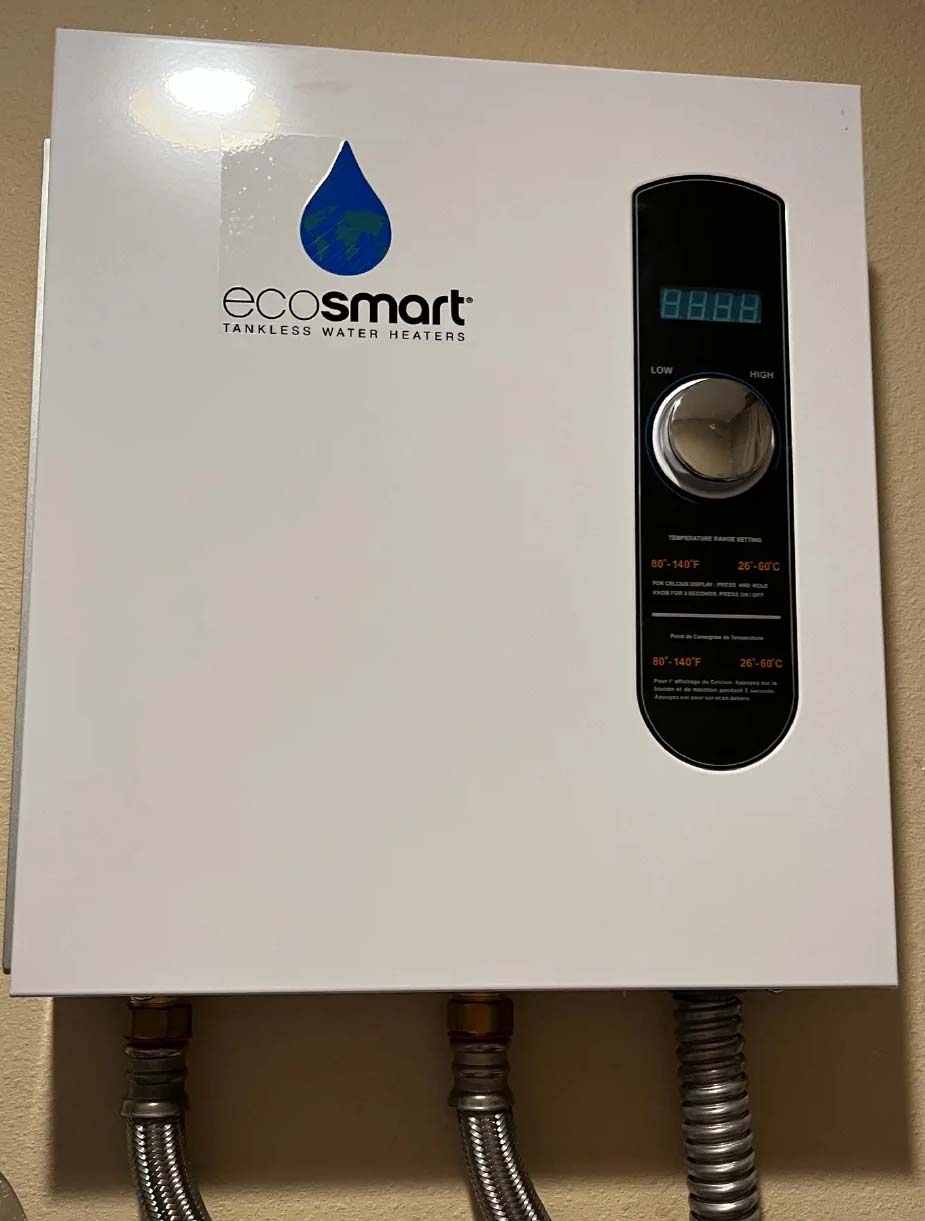
Figure 5. Courtesy of John Siegenthaler
So, what do you think all this has to do with the note above the thermostat in figure 1?
Here’s my take. The two showers and whirlpool tub are high demand fixtures. The heated floor slab is a huge thermal mass that’s always “hungry” for Btus. If the thermostat gets turned up (Contrary to the warning note posted by the thermostat), the floor heating becomes active and easily soaks up all the heat that the original water heater tank could produce. The water temperature settles to a value where thermal equilibrium is established between the water heater’s ability to add heat to the water, and the floor’s ability to pull heat out of that water. Unfortunately, that condition occurs at a water temperatures that are WAY below anything that would be comfortable in the shower or tub.
I imagine that this lead to complaints, especially during cold weather. The apparent remedy was to:
- Move the high demand fixtures (showers and whirlpool tube) to a new electric tankless water heater supplied by a 40 amp / 240 breaker, and having an input rating of 9KW (30,700 Btu/hr).
- Post the warning note above the thermostat. This likely minimized further complaints. I can attest that the shower worked great - although in retrospect, I should have done a “full afterburner” test by opening up the hot water faucet on the tub while running both showers.
Putting aside the issue of potable water in hydronic space heating circuits, this system was a perfect demonstration of thermal equilibrium. It’s a condition at which all hydronic systems seek to operate. A continuous adaptation to balance the rates of heat input with heat output, regardless of the water temperature where that balance occurs.
This system also demonstrates the ability of high thermal mass distribution systems to create pronounced temperature “droops” in the entire system during transient (e.g., warm up) conditions. I recently wrote about this effect in my Hydronics Workshop column.
I commend the owners of the Airbnb for fixing the problem by installing the tankless water heater and dedicating it to the high flow fixtures. Still, it’s worth thinking about how these undesirable and likely unanticipated conditions could have been avoided.
One approach would have been to provide priority operation of the DHW portion of system by temporarily turning off the floor heating circulator if the water temperature leaving the water heater drops to a condition that doesn’t allow comfortable showers or tub filling. Assuming that the floor slab was maintained at or near steady state conditions, its high thermal mass could easily coast though one to two hours of interrupted heat input while the high demand fixtures are operating.
Another thought would be to install separate electric tankless water heaters for each high demand fixture. This would add cost, but it would also ensure that a problem with one of the heaters didn’t preclude use of all showers and the tub.
A gas-fired tankless water heater could also be sized to meet the instantaneous demand of all fixtures, but given the building layout, I suspect the owners opted for an all-electric plumbing & HVAC system.
I’ll wrap up with a question to readers: What would happen if you posted the sign shown in figure 1 above the thermostat in some of your customer’s homes? Perhaps a few would simply accept it. I suspect others might choose to use it in ways that involve 1-800 “call us” phone numbers posted on early morning TV commercials. Those could lead to entanglements much more unpleasant than a lukewarm shower…
Looking for a reprint of this article?
From high-res PDFs to custom plaques, order your copy today!