Homeowners are more selective than ever, and in a crowded marketplace, their choice often comes down to which company they trust most. Public relations plays a critical role in shaping, strengthening and protecting your reputation.
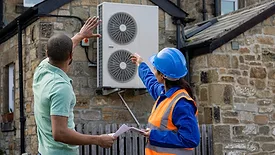
John Siegenthaler, P.E. will be providing technical training on design and installation of air-to-water heat pumps in both new construction and retrofit applications.
Efficiency Vermont is partnering with the Associated Building Contractors of VT/NH to host a full day air-to-water heat pump summit in Burlington Vermont.
Developing leaders creates leverage for the organization. It allows business owners to step back from day-to-day operations and focus on strategic growth.
For years, leadership in the trades was defined by grit, hustle, and sheer willpower. If you worked harder, stayed longer, and pushed through, you were considered a strong leader. And while work ethic will always matter in plumbing, the demands of today’s workforce are calling for something more.
Presenting rebate amounts and net costs alongside energy savings over time can shift the conversation from “How much will it cost?” to “What’s this really worth?”
Their focus on culture-first training became the foundation for everything else: technical instruction, soft skills development and long-term career progression.
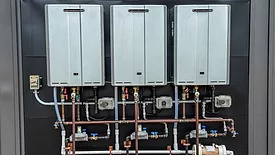
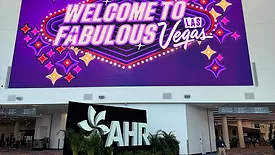
AHR Expo 2026 made it clear that hybrid systems are no longer an emerging idea; they are the answer to the ongoing balancing act of meeting decarbonization goals while remaining realistic about the grid's capacity for electrification. Manufacturers emphasized systems that combine electric technologies, gas-fired equipment, and advanced controls.

 RSS
RSS