search
cart
facebook instagram twitter linkedin youtube
  • Sign In
  • Join Today
  • Sign Out
  • My Account
  • NEWS
  • PRODUCTS
    • FEATURED PRODUCTS
  • CONTRACTORS
    • BATH & KITCHEN PRO
    • BUSINESS MANAGEMENT
    • HIGH EFFICIENCY HOMES
    • TECHNOLOGY
    • WATER TREATMENT
    • PMC COLUMNS
      • Dave Yates: Contractor’s Corner
      • John Siegenthaler: Hydronics Workshop
      • Kenny Chapman: The Blue Collar Coach
      • Matt Michel: Service Plumbing Pros
      • Scott Secor: Heating Perceptions
  • ENGINEERS
    • CONTINUING EDUCATION
    • DECARBONIZATION | ELECTRIFICATION
    • FIRE PROTECTION
    • GEOTHERMAL | SOLAR THERMAL
    • PIPING | PLUMBING | PVF
    • PME COLUMNS
      • Christoph Lohr: Strategic Plumbing Insights
      • David Dexter: Plumbing Talking Points
      • James Dipping: Engineer Viewpoints
      • John Seigenthaler: Renewable Heating Design
      • Lowell Manalo: Plumbing Essentials
      • Misty Guard: Guard on Compliance
  • RADIANT & HYDRONICS
    • RADIANT COMFORT REPORT
    • THE GLITCH & THE FIX
  • INSIGHTS
    • CODES
    • GREEN PLUMBING & MECHANICAL
    • PROJECT PROFILES
    • COLUMNS
      • Codes Corner
      • Kristen R. Bayles: Editorial Opinion
      • Guest Editorial
    • SPONSOR INSIGHTS
  • MEDIA
    • PODCASTS
    • VIDEOS
    • EBOOKS
    • WEBINARS
  • RESOURCES
    • BIG BOOK DIRECTORY
    • REP LOCATOR
    • INDUSTRY CALENDAR
    • Letters to the Editor
    • PM BOOKSTORE
    • CE CENTER
    • MARKET RESEARCH
    • CLASSIFIEDS
  • EMAGAZINE
    • EMAGAZINE
    • ARCHIVE ISSUES
    • CONTACT
    • ADVERTISE
  • JOIN
Plumbing NewsPlumbing & Mechanical ContractorPlumbing & Mechanical Engineer Radiant & Hydronics

Moving Beyond Basic Circulator Replacement

How the 2028 DOE standard encourages system-level thinking
By Chris Kerback
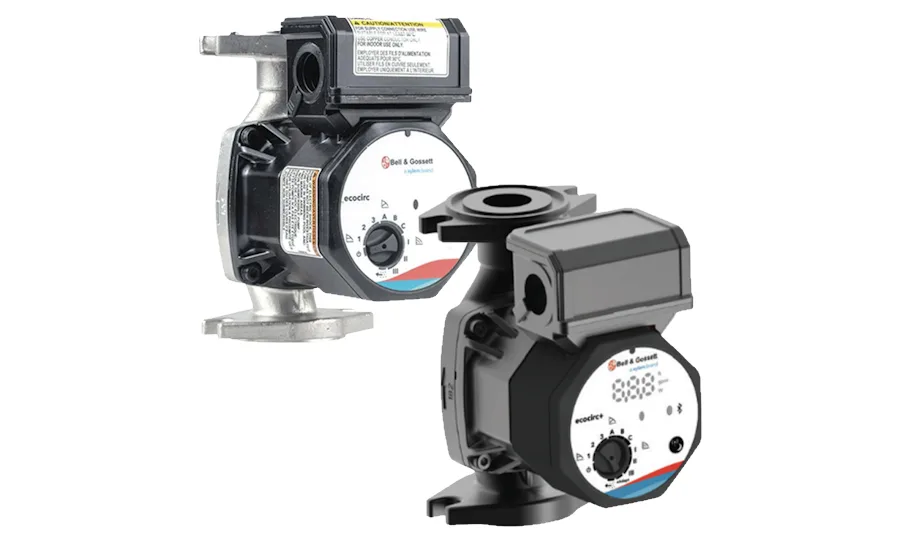
Bell and Gossett Circulator
Photo courtesy of Bell & Gossett
November 5, 2026

For years, a failed circulator likely prompted a straightforward replacement: identify the existing pump and install a similar, or at least comparable, model. However, as circulators continue to evolve, that approach may no longer deliver the best results.

Variable speed capability can expand the operating range of a circulator, potentially allowing one pump to accommodate conditions that previously required different pump sizes, external controls, or other system components. 

But those capabilities don’t eliminate the fundamentals of good pump selection. In fact, it’s as important as ever for contractors to understand system flow and head requirements, operating conditions, and the application itself. A more capable circulator can’t always compensate for a pump that is improperly selected.

That makes the years leading up to 2028 a good time to reinforce system-level knowledge. Contractors who understand how variable speed circulators respond to changing loads will be better positioned to select, install, and commission them effectively. 

Looking Past the Efficiency Requirement

By now, most contractors and distributors are familiar with the Department of Energy’s new energy conservation standards for circulator pumps and the May 22, 2028, compliance date. But what will the transition to this new standard mean in practice?

Preparing for 2028 isn’t simply about knowing which circulators meet the new requirements. It means understanding how a changing product landscape could affect pump selection, replacement decisions, inventory, and conversations with customers.

That’s where the opportunity lies. As higher-efficiency, variable speed circulators become more prevalent, the transition provides another reason to look beyond replacing a pump based solely on what was there before and consider what the system actually needs.

An important point to remember is that the standard doesn’t require circulators already operating in buildings to be replaced in 2028. It applies to covered circulator pumps manufactured beginning on the compliance date. For future replacements, the practical question becomes which compliant option best meets the system’s performance and installation requirements.

Make Retrofit Planning Part of the Conversation

Retrofits deserve particular attention. Mechanical rooms rarely become larger or easier to work in over time. Existing flange-to-flange dimensions, piping arrangements, electrical connections, and available space can all affect replacement decisions.

Rather than discovering those constraints during an emergency replacement, contractors can begin identifying common legacy installations now, and the compliant replacement options likely to serve them. That preparation can also create an opportunity to reassess the application instead of automatically replacing like for like.

Has the building changed since the original circulator was installed? Are the original flow and head requirements still appropriate? Could variable speed operation better match changing system demand? Asking those questions can turn a routine replacement into an opportunity to improve overall system performance.

Distributors play an important role here, too. As manufacturers transition portfolios, wholesalers will need to understand which products are changing, which replacement models correspond with commonly installed circulators, and how inventory needs may evolve. That preparation will help reduce confusion at the counter when a contractor walks in carrying the model number of a pump installed 15 or 20 years ago.

Prepare for a Different Customer Conversation

The new standard also creates an opportunity to move customer conversations beyond first cost. 

Higher-efficiency circulators may introduce different controls, settings, and operating characteristics than customers are accustomed to so contractors and distributors should be ready to explain why the replacement may look or operate differently, and what that means for the system.

Those conversations should focus on energy use, variable speed operation, system performance, and lifecycle considerations, while avoiding a common trap: assuming more technology automatically means more complexity.

Installation still starts with the fundamentals: select the right pump for the application, install it correctly, and verify that it operates as intended. What changes is the range of capabilities available to help match pump operation more closely to system requirements.

For distributors, that also means training their staff to ask the right questions. Instead of simply matching a model number, understanding the application, operating requirements, and installation constraints can help identify an appropriate replacement and give contractors greater confidence in the field.

Use the Runway

Waiting until 2028 to dig deeper into the new requirements could put contractors and distributors in catch-up mode just as product portfolios begin changing and customer questions ramp up.

Instead, use the next several years as a runway. That preparation can start with a few practical steps:

  • Learn how CEI works and which circulators are covered. 
  • Become familiar with ECM and variable speed technology. 
  • Review common retrofit applications. 
  • Ask manufacturers how their portfolios and replacement guidance are evolving. 
  • Train technicians and staff so they can explain the transition clearly. 
  • Begin incorporating compliant options into specifications and system discussions.

The compliance date may be in 2028, but the transition is already creating an opportunity to think differently about circulator selection. Contractors and distributors who use the time now to strengthen their system-level knowledge will be better prepared not only to meet the new requirements, but also to help customers make more informed decisions about how their hydronic systems perform.

This article was originally posted on www.supplyht.com.
KEYWORDS: circulators Department of Energy hydronics regulations

Share This Story

Looking for a reprint of this article?
From high-res PDFs to custom plaques, order your copy today!

Chris kerback headshot

Chris Kerback serves as product line manager for Xylem’s Bell & Gossett. He oversees all aspects of the circulators & residential accessories product portfolio for North and South America. He has been with Xylem for more than 20 years and has a degree in mechanical engineering from the University of Illinois at Urbana-Champaign.

Recommended Content

JOIN TODAY
to unlock your recommendations.

Already have an account? Sign In

  • 2025 Next Gen ALL-STARS hero 1440

    2025 Next Gen All Stars: Top 20 Under 40 Plumbing Professionals

    This year’s group of NextGen All-Stars is full of young...
    Plumbing & Mechanical Contractor
    By: Kristen R. Bayles
  • Worker using the Milwaukee Tool SWITCH PACK drain cleaner

    Pipeline profits: Drain cleaning, pipe inspection create opportunities

    Drain cleaning and inspection services offer lucrative...
    Plumbing News
    By: Nicole Krawcke
  • Uponor employee, Arturo Moreno

    The reinvestment in American manufacturing and training

    Plumbing & Mechanical Chief Editor Nicole Krawcke and...
    Plumbing News
    By: Nicole Krawcke and Natalie Forster
Manage My Account
  • Join Plumbing & Mechanical
  • Manage My Preferences
  • Customer Service

More Videos

Sponsored Content

Sponsored Content is a special paid section where industry companies provide high quality, objective, non-commercial content around topics of interest to the Plumbing & Mechanical audience. All Sponsored Content is supplied by the advertising company and any opinions expressed in this article are those of the author and not necessarily reflect the views of Plumbing & Mechanical or its parent company, BNP Media. Interested in participating in our Sponsored Content section? Contact your local rep!

close
  • Industrial cooling tower, pipe system and valves infrastructure on rooftop
    Sponsored byRemarcable

    Why Mechanical Contractors' CFOs See Job Costs Weeks Too Late

  • ClearLOC pipe fittings
    Sponsored byLegend

    How Plumbing Professionals Are Reducing Installation Time Through Smarter Connection Design

  • HyperPure® PE-RT tubing
    Sponsored byLegend

    Why Sustainable Innovation Will Shape the Future of Plastic Pipe

Popular Stories

Tankless Water Heating 101

Tankless 101: What to Know About On-Demand Water Heating

Letters to the Editor

Letters to the Editor: The Heat Pump Water Heater Debate

Haley Stevens

Bill Would Lower Social Security Retirement Age for Qualifying Plumbers

eBook | 2026 Radiant & Hydronics All Stars

Poll

Getting your new hire jobsite-ready

How long does it typically take to get a new hire jobsite-ready?
View Results Poll Archive

Products

The Water Came To A Stop

The Water Came To A Stop

See More Products

Related Articles

  • Faucet Components

    Beyond Lead-Free: New Priorities in Faucet Component Design

    See More
  • Plumber's hands with dirty sleeves, gripping pipes to turn it, a silver thermal material in the background.

    10 Riskiest U.S. Cities for Plumbing Problems After Moving In

    See More
  • Commercial Kitchen

    Beyond flow rates: the structural shift in state-level mechanical and plumbing regulation

    See More

Related Products

See More Products
  • quick-basic-hy.gif

    Quick & Basic Hydronic Controls

  • Residential_Hydronic_Heatin.gif

    Residential Hydronic Heating Systems Course

  • Lessons Learned: Connecting New Boilers to Old Pipes

See More Products
×

Stay in the know on the latest plumbing & piping industry trends!

Get tailored content delivered your way.

JOIN TODAY!
  • RESOURCES
    • Advertise
    • Contact Us
    • Directories
    • Store
    • Want More
    • Supply House Times
  • JOIN TODAY
    • Create Account
    • eMagazine
    • Newsletter
    • Customer Service
    • Manage Preferences
  • SERVICES
    • Marketing Services
    • Reprints
    • Market Research
    • List Rental
    • Survey/Respondent Access
  • STAY CONNECTED
    • LinkedIn
    • Facebook
    • Instagram
    • YouTube
    • X (Twitter)
  • PRIVACY
    • PRIVACY POLICY
    • TERMS & CONDITIONS
    • DO NOT SELL MY PERSONAL INFORMATION
    • PRIVACY REQUEST
    • ACCESSIBILITY

Copyright ©2026. All Rights Reserved BNP Media, Inc. and BNP Media II, LLC.

Design, CMS, Hosting & Web Development :: ePublishing