Tankless 101: What to Know About On-Demand Water Heating
Tankless water heater costs, installation, energy savings, maintenance, and performance
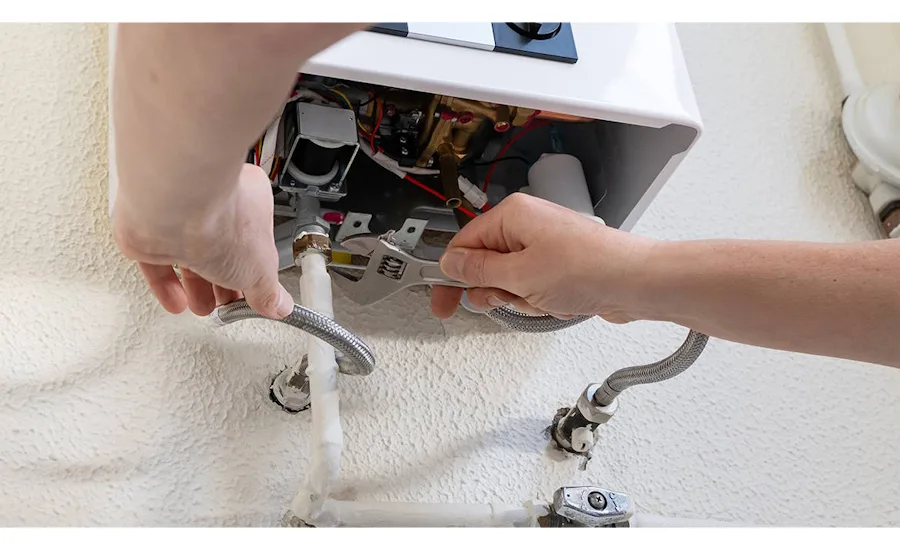
Demand for tankless water heaters is rising among homeowners and is expected to continue growing throughout this decade. There are good reasons for the technology’s growing popularity: under the right circumstances, and with proper professional installation and maintenance, tankless water heaters offer comfort, efficiency, and convenience, all in a space-saving package.
Combining immediate, continuous hot water with energy savings may sound like a holy grail for many homeowners. And it’s true that tankless water heaters are a reliable, high-performing, and energy-efficient solution in many cases. But each home has its own specific needs. It’s important for professionals to fully understand all the details of tankless water heater technology in order to advise their customers and help them discover the right system for their family’s needs.
In the following comprehensive guide to tankless water heaters, we’ll consider the nuts and bolts of this increasingly popular technology, including:
- How tankless solutions work
- The benefits and potential drawbacks of tankless water heaters
- Upfront and installation costs
- Increased efficiency and long-term savings
With accurate, detailed information, you’ll be able to guide customers to a true solution that fits their lifestyle.
What Does a Tankless Water Heater Do, and How Does It Work?
Tankless water heaters are also known as on-demand water heaters, because they heat the water supply directly when it’s needed, instead of keeping a stored supply of water continuously heated, whether it’s being used or not.
In a tankless system, water travels through a heat exchanger inside the unit, where it’s heated by either a gas burner or electric heating element(s). The heating process continues for as long as hot water is needed. If the system is properly sized, there’s no risk of running out of hot water, as long as there is a continuous supply of gas or electric and incoming cold water.
What Are the Benefits of Tankless Technology?
- Energy savings: Tankless water heaters only heat water when it's needed. As a result, homeowners can reduce energy consumption and see ongoing savings on their utility bills.
- Endless hot water: Tankless water heaters can provide a continuous supply of hot water when properly sized for the application.
- Compact, space-saving design: The compact design of tankless water heaters means they can often be wall-mounted, freeing up valuable floor space. In smaller homes, apartments, condos, and townhouses, where space is at a premium, the reduced footprint of tankless systems offers advantages. The wall-mounting capability of most tankless water heaters and compact size also increase installation flexibility, allowing them to fit into tight or unconventional spaces, freeing up floor space for other uses.
- Long lifespan: Tankless water heaters typically last 15 to 20 years, providing homeowners with long-term value. Their extended service life can contribute to significant savings over time.
How Much Do Tankless Water Heaters Cost?
Tankless water heaters typically have a higher upfront cost, particularly when gas line, venting, electrical panel, or meter upgrades are required. But, many homeowners find the higher cost for premium comfort and convenience to be worth it. Plus, the energy savings and long service life of tankless water heaters can often offset those initial costs over time.
Additionally, there can be financial incentives for installing a tankless water heater. Homeowners may be eligible for local, state, federal, or utility-sponsored rebates and tax incentives that help offset installation costs, making tankless systems more accessible and attractive.
Ultimately, if a tankless water heater is the appropriate solution for a homeowner, it’s usually a wise investment. Despite the potentially higher upfront expense, the system’s efficiency, durability, and the potential for financial incentives promise long-term rewards.
What Should Homeowners Consider Before Investing in a Tankless Water Heater?
- Fuel type: There are two fuel types for tankless water heaters: electric and gas. Some homes may only have access to electricity, while others have both gas and electricity. The best fuel type depends on the home's hot water demand, existing utility infrastructure, and overall size. An important infrastructure consideration for electric tankless water heaters is that they may require an electrical panel upgrade if the existing panel does not have sufficient capacity to support the additional demand. Gas tankless systems may require an upgrade to the gas line and/or meter to adequately supply gas pressure to the unit as well as other appliances in the home.
- Capacity and peak usage: Homeowners should compare the unit's maximum flow rate to their household's peak hot water demand to ensure adequate performance. Hot water performance can also vary depending on climate, the number of bathrooms, and the amount of simultaneous hot water demands.
- Features: Different systems have a wide range of features available, including temperature control, automatic shut-off, digital display, smart home connections, and remote control. Many tankless water heaters also include an integrated recirculation pump to help provide faster hot water delivery when needed.
- Maintenance: Tankless water heaters typically require annual maintenance, although homes with hard water or higher demands may require more frequent service. Annual inspections, filter cleanings, and descaling by a trusted professional can ensure optimized performance and catch potentially serious issues before they compromise the unit or its components.
A tankless water heater can offer numerous benefits, including energy efficiency, space savings, and a direct, continuous supply of hot water. The decision to install a tankless water heater is an individual one, based on the homeowner’s hot water needs, budget, future plans, and installation requirements. A trusted professional can help homeowners identify the solution that best meets their needs and expectations. By understanding the benefits, limitations, and installation requirements of tankless technology, contractors can guide homeowners toward a water heating solution that aligns with their budget, lifestyle, and hot water demands.
Looking for a reprint of this article?
From high-res PDFs to custom plaques, order your copy today!