Editorial Opinion | Kristen Bayles
AHR and KBIS/IBS highlighted how AI, efficiency mandates and workforce evolution are converging on the jobsite
Tech takes the lead
For the shortest month of the year, February was certainly a busy one. With AHR and KBIS/IBS separated by just one week, I think I saw more new and exciting products and innovations this past month than I have in years. I also met a lot of new people — hello, if you’re reading!
So, what were the standouts?
Personally, there were a few topics that I noticed being talked about time and time again. At AHR, it was all about data analytics, AI, energy efficiency and new technologies.
What struck me wasn’t just the presence of these buzzwords — we’ve been hearing about AI and “smart” equipment for a while now — but the shift from concept to application.
Manufacturers weren’t just showcasing connected equipment; they were demonstrating platforms that translate equipment data into actionable insights: predictive maintenance dashboards; fault detection and diagnostics that learn over time; controls that optimize performance based on occupancy patterns and utility rates. The conversation has clearly moved beyond connectivity for connectivity’s sake, and into something more actionable; and, with new expectations for energy-efficient and low-carbon systems, more necessary.
There was also a noticeable emphasis on decarbonization and electrification, but with more nuance than in years past. Instead of broad, aspirational messaging, exhibitors were focused on practical pathways: cold-climate heat pump advancements, hybrid systems, improved refrigerant strategies and control integration that allows contractors to stage equipment more intelligently. The underlying theme was performance — how to deliver measurable efficiency gains without sacrificing reliability or driving up lifecycle costs.
Over at KBIS/IBS, the technology conversation took on a slightly different tone, but it was just as exciting!
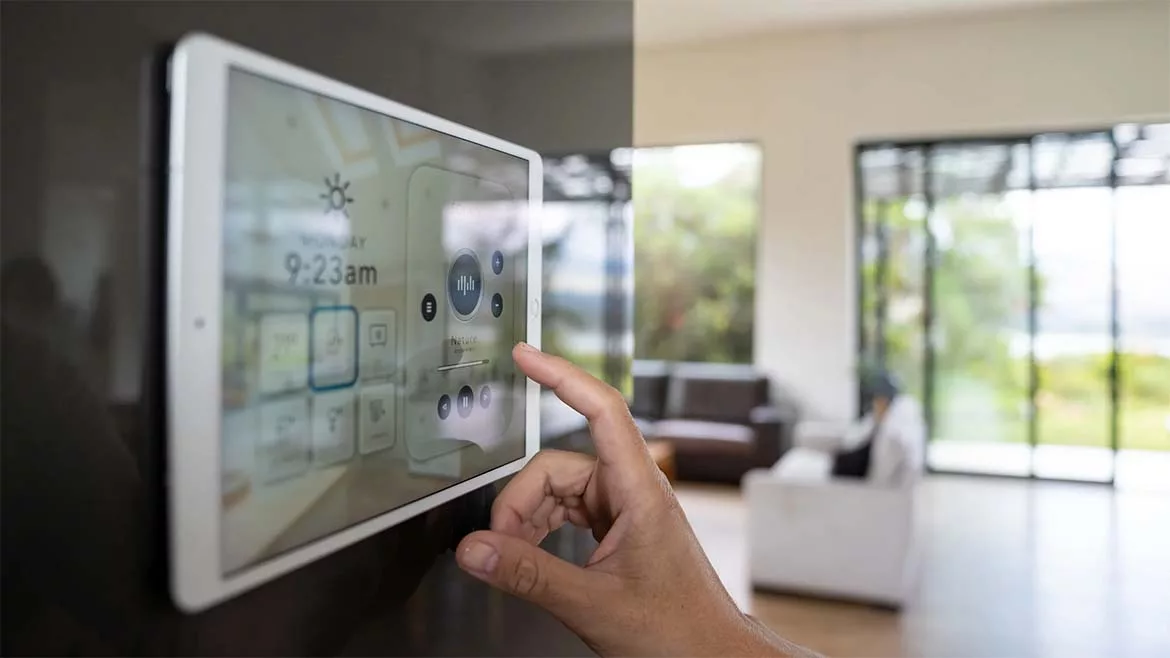
In plumbing and kitchen and bath, innovation showed up in water-saving fixtures with enhanced user experiences, leak detection systems that integrate seamlessly into whole-home platforms and products designed to address aging-in-place without compromising on design. Smart faucets and digital shower systems are no longer novelties; they’re part of a broader ecosystem focused on conservation, safety and convenience. Several exhibitors also highlighted materials and manufacturing processes aimed at reducing embodied carbon, signaling that sustainability is influencing product development from the inside out.
Across both shows, one common thread emerged: data is becoming a core asset in our industry. Whether it’s an HVAC system communicating performance metrics to a contractor or a plumbing fixture tracking water usage in real time, the ability to collect, interpret and act on information is reshaping how systems are designed, specified and serviced.
For contractors and engineers, this evolution presents both opportunity and responsibility. The tools are more powerful than ever, but they require new skill sets — from understanding network integration to interpreting performance analytics. The workforce conversation, which continues to loom large, now includes not just recruiting talent, but training technicians to operate in a more digitally driven environment. Education sessions at both shows reflected that shift, with standing-room-only crowds for discussions on controls integration, refrigerant transitions and cybersecurity considerations for connected equipment.
If February was any indication, the HVAC and plumbing industries are not standing still. The technology on display wasn’t futuristic for the sake of flash; it was practical, performance-driven and, in many cases, ready for installation tomorrow! And that, to me, was the most exciting takeaway of all.
Looking for a reprint of this article?
From high-res PDFs to custom plaques, order your copy today!