Designing and managing buildings today means thinking beyond individual systems: it’s about creating integrated environments that are equally efficient, adaptable, and sustainable. Connected buildings are reshaping system integration, but what does that mean for engineers, and how can smart design choices today future-proof buildings for tomorrow?
Millinocket is near utility-scale wind turbine farms where strong winter winds can lead to over-generation of electricity, surpassing local grid demand. While it might seem intuitive to shut down some generation equipment during such times, the process is not as simple as flipping a switch.
In a here-we-go-again move, we must now transition from HFC to A2L mildly flammable refrigerants. The good news is the operating pressures are virtually the same and this time, the refrigerant oil is the same.
This year’s group of NextGen All-Stars is full of young talent in the trades who are making a difference in the world every day. These innovators and leaders are forging the path for the next generation. Congratulations to this group of industry leaders in our Top 20 Under 40 list of plumbing professionals!
This article provides plumbing engineers and system designers with strategies for right-sizing residential plumbing systems based on modern water use data and highlights how traditional sizing methods, like the Hunter’s Curve, often lead to oversized systems that increase costs and wastewater.
Building codes are becoming stricter, carbon targets are becoming law, and there’s more funding available for compliance. For those in plumbing and mechanical trades, system design now involves meeting emissions goals, leveraging incentives, and navigating changing regulations.
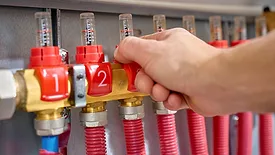
Some hydronic heating systems use slab-on-grade floor heating combined with an air handler or fan-coils in other areas of a building. This approach is also used for heated basement floors combined with a “hydro-air” delivery system for the main living areas.
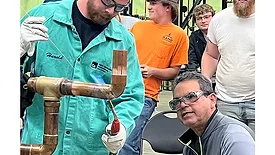
The facility is poised to strengthen both the local community, and the broader industry. It is a centralized hub for production, and for Viega customers to learn and train.
CONNECT brings together professionals and emerging leaders, contractors, vendors and educators in a collaborative environment. Attendees will leave not only with fresh insights and tools for success but also with the kind of personal connections that support long-term growth and innovation.