The Glitch & The Fix: April 2026
The Glitch & the Fix: Can you find the problems with this space heating set-up?
Under-umphed

The Glitch:
An installer pipes up the system shown in Figure 1. Its purpose is to provide two zones of space heating. The heat emitters are fan-coils with relatively high pressure drop characteristic. The system also provided domestic hot water using an indirect tank. The boiler loop is intended to keep the boiler operating above the dewpoint of the flue gases and protect it from thermal shock. Can you identify some problems that are likely with this set up, and propose an alternative design to eliminate any such problems?
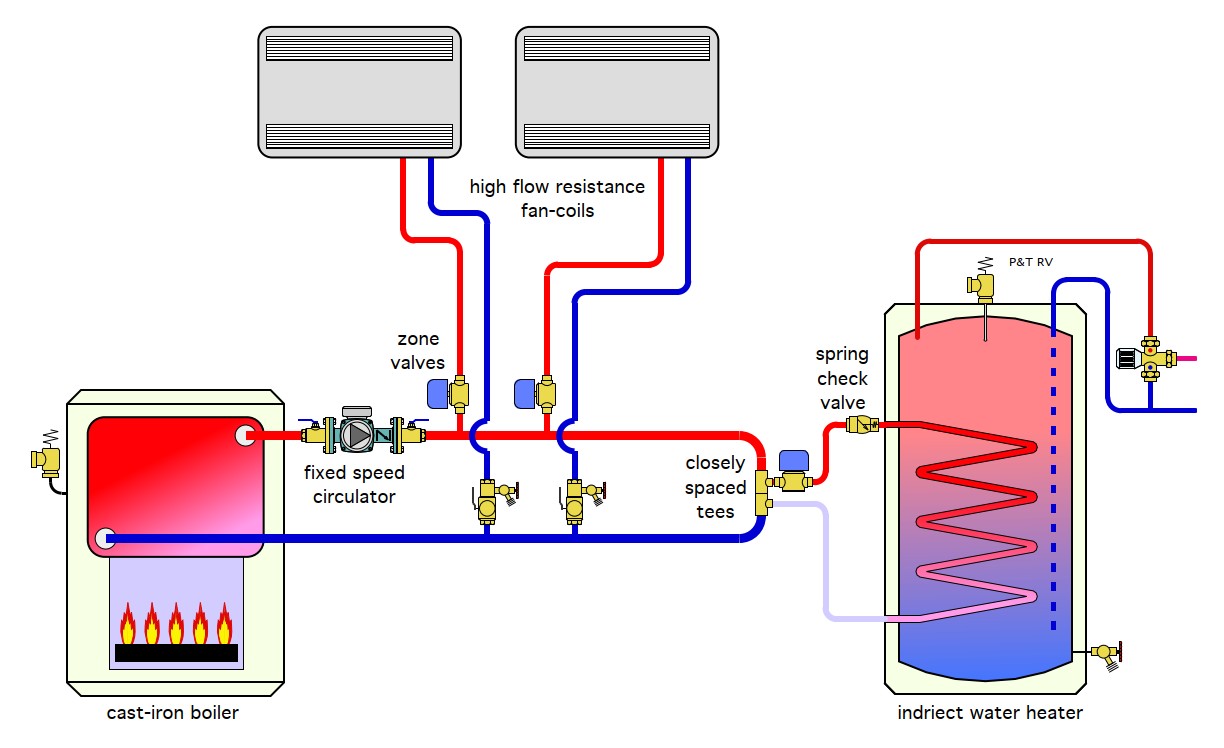
Figure 1. Drawing courtesy of John Siegenthaler, click to enlarge.
The Problems: To create reasonable flow rates through the fan-coils it’s necessary to generate a differential pressure between the supply and return pipes. The only differential pressure that will be created in this system is that due to head loss around the “boiler loop” from where the supply pipes for each zone connect, to where the return pipes for each zone connect. Assuming that the loop is relatively short, and that the piping is sized to limit flow velocity to 4 feet per second, it’s very unlikely that sufficient differential pressure will be created around the right side of the boiler loop. This will result in low flow in the heating zones, and likely lead to insufficient heat output.
Only the tiny pressure drop across the closely spaced tees is available to drive flow through the heat exchanger in the indirect tank. There is no way this will be adequate.
The Fix
Figure 2 shows one way to modify the system for the intended operation.
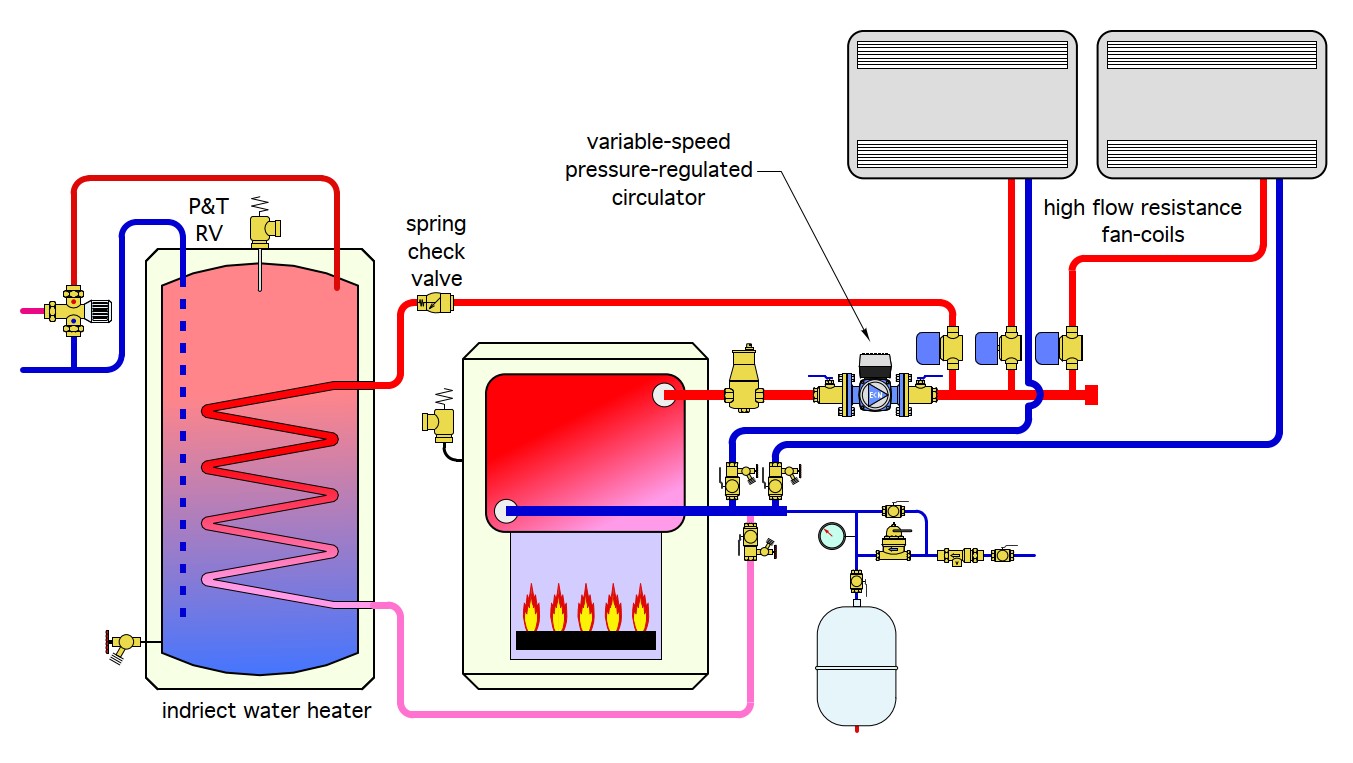
Figure 2. Drawing courtesy of John Siegenthaler
The boiler loop from figure 1 is gone. Now it’s simply headers across the boiler. The variable-speed pressure-regulated circulator creates a nearly constant differential pressure across these headers as the zone valves open and close.
The indirect tank can be set up as a priority zone, if needed. Its supply and return piping connect as close to the boiler as possible to minimize piping heat loss, (keeping in mind that the indirect tank is a year round load). A spring check valve is shown near the inlet of the indirect tank’s heat exchanger. Its purpose is to minimize reverse thermosiphoning in the supply side piping, again to reduce heat loss.
The expansion tank connects to the end of the return header. Because the head loss through a cast iron boiler is very small, this point of connection is still “close” (from the standpoint of pressure drop) to the inlet of the circulator.
An air separator has also been added to the system.
Are you an ace troubleshooter?
PM’s Hydronics Editor John Siegenthaler, P.E., will pose a question to you, our readers, to review a system’s schematic layout and discover its faults, flaws and defects. Good luck!
Looking for a reprint of this article?
From high-res PDFs to custom plaques, order your copy today!