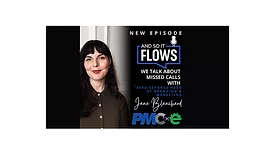
In this episode of And So It Flows, Kristen Bayles spoke with Jane Blanchard, head of brand and marketing at Service Forge, about a challenge many contractors underestimate: the true cost of missed calls.
Sensorization, analytics, and service model transformation is changing the way that contractors react to, and are able to prevent, disruptions of service.
In a data-informed environment, plumbing and mechanical systems become managed infrastructure — visible, measurable and continuously optimized. Contractors who embrace that reality position themselves not simply as technicians, but as long-term asset stewards in an increasingly performance-driven built environment.
Through its “Do What’s Right” program, Trane Technologies and its dealer network turn growth into goodwill, delivering more than 3,500 donated systems in a record 2025.
Codes are expanding into areas like resilience, electrification, water quality management and long-term accountability. No longer are they static rulebooks; they’re living frameworks shaping how systems perform over decades.
It’s tempting to chase new work without fully evaluating whether the project aligns with operation capacity or financial structure. We’ve all heard, “bigger is better,” after all. However, contractors need to establish clear criteria before pursuing additional work. That includes evaluating a few key factors.