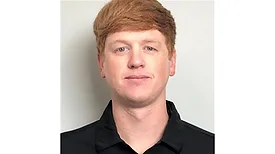
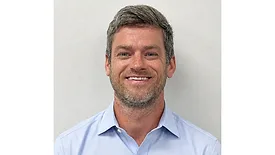
Tyrel Herrlein found his way into PHCP-PVF while looking for work closer to home. Six years later, he’s helping local customers succeed and supporting projects that make an impact in his own community.
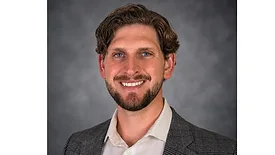
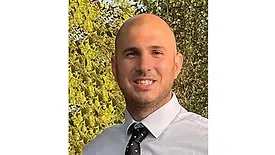
Tyler Heath inherited a plumbing legacy, but he’s building the next chapter by developing people, trusting his team and creating a business positioned to grow beyond any one person.
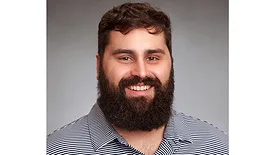
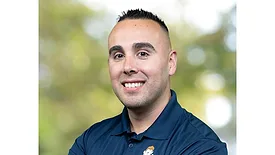
New to PHCP-PVF but not to serving others, Matthew Hasley is building his career by expanding his product knowledge, solving client challenges, and helping the next generation of engineers and designers learn along the way.
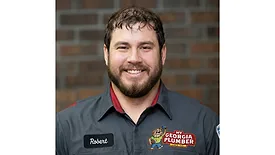
Robert Derrico entered plumbing at just 14 years old. More than two decades later, he’s still learning, solving problems, and helping technicians develop the skills and confidence to build careers of their own.
In five years, Patrick Denver has grown from inside sales to regional sales manager, building his career around strong industry relationships, customer support, and the infrastructure his company’s products help serve.
Chris DellaSala found his way into PHCP-PVF through family, but built his own career around solving customer problems, developing people, and helping Keystone Sales & Associates grow for the future.
Dylan D’Amato built his career from the field up, but as an owner, success now means more than mastering the craft. It means creating a company where employees can grow, customers can find a business they trust, and families can build their futures.
From an internship to leading operations in Central Texas, Ralph Cunningham has built his engineering career around teamwork, developing people and creating buildings designed to last for generations.
Tyson Chen found his way into the trades through a chance meeting, but stayed for the people and the opportunity to help independent contractors use AI to improve customer service and grow their businesses.
From the call center to general manager, Kevin Carvajal has helped turn an early vision for Monkey Wrench into reality while creating opportunities for others to grow alongside the company.