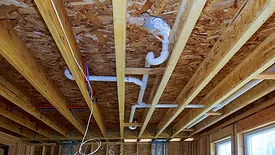
Some hydronic heating systems use slab-on-grade floor heating combined with an air handler or fan-coils in other areas of a building. This approach is also used for heated basement floors combined with a “hydro-air” delivery system for the main living areas.
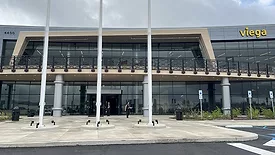
The facility is poised to strengthen both the local community, and the broader industry. It is a centralized hub for production, and for Viega customers to learn and train.
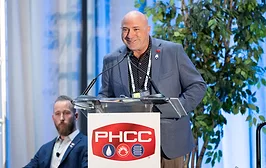
CONNECT brings together professionals and emerging leaders, contractors, vendors and educators in a collaborative environment. Attendees will leave not only with fresh insights and tools for success but also with the kind of personal connections that support long-term growth and innovation.
If you’re leading a plumbing team today, you’re probably dealing with a whole mix of generations, attitudes, and learning styles. The top-down, “Because I said so,” approach may have worked in the past (barely), but it’s not cutting it now. The truth is, people don’t want to be managed—they want to be developed.
The latest technology, product innovation and installation trends
The third edition of the Radiant & Hydronics All Stars eBook highlights the latest technologies and design trends in radiant heating. It features insights from our All-Star Roundtable on innovations and challenges, along with design trends for residential and commercial applications.
Throughout this period, global governments have been notably active on issues related to chemicals, household equipment, HVAC equipment, mechanical systems, plumbing products, protective equipment, and water heating appliances. I have curated the policy changes to save you time and keep you informed and ahead of the curve.
Baby Boomers own the most homes in the U.S., but Millennials and Gen Z are gaining. In 2024, Millennials made up 29% of homebuyers, while 33% of older Gen Z members (around 27) are homeowners, compared to about 40% of the same-age Baby Boomers.
Check valves are found in and around a pump system, a sump pit, or cracked open a main line. They’re everywhere. And there’s a reason they’re there: to prevent backflow. Backflow isn’t just unpleasant—it’s a serious hazard. It occurs when water or other liquids flow in the opposite direction, contaminating clean systems.
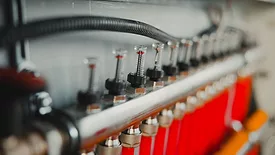
Zoning has always been a premier benefit of hydronic heating and cooling systems. There are many zoning configurations capable of delivering heat (or cooling effect) when and where it’s needed in a building, with minimal effect on the temperature in other parts of the building. Some methods use circulators to create flow in each zone; others use either motorized or thermostatic valves to regulate flow.
It’s about clarity and consistency. Are your techs empowered to say no to unreasonable requests? Do they feel supported when a client pushes back? Do your customers understand the value behind your pricing, and the fact that your team isn’t just delivering a service, they’re delivering their skill, time and care?
 RSS