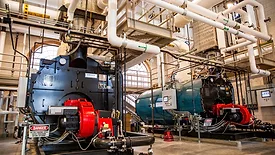
The eight-story, 130,000-square foot Silverleaf Hall includes 55 units under contract with NYS Supportive Housing Program for formerly homeless families and 63 affordable units available to single adults and families earning less than 80% AMI.
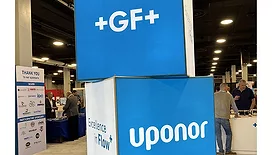
What stood out most to me at the GF Flow Symposium was the growing recognition that no one company is going to solve all the problems of the industry alone.
At the GF Flow Symposium, conversations focused not just on solving individual problems, but on building the relationships needed to address them over time.
Insurance incentives, hidden leaks and operational gains are driving adoption, but the real return on smart water depends on who is measuring it and how.
Plumbing and PVF manufacturers announced another round of price adjustments in May, with most increases falling in the low- to mid-single-digit range, while select product categories, including press fittings, grooved products, valves, PVC fittings, and specialty piping systems, saw larger increases.
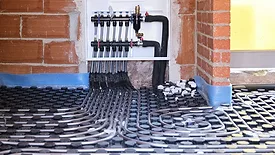
Think about the “long game” when designing or installing hydronic systems. Make the system’s as easy as possible to service. Those who follow will appreciate and respect you for doing so.
Technology and AI will continue transforming the trades industry, from diagnostics to scheduling and predictive maintenance. However, technology will not replace the human side of the business.
The trades industry spends significant time training technicians on technical competencies like diagnostics, installation, and troubleshooting, but far less time teaching them how to communicate with homeowners. In today’s environment, that gap matters more than ever.
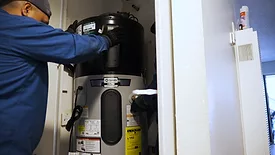
Unlike traditional high efficiency models, the Voltex 120V HPWH is designed to plug into a standard electrical outlet–eliminating the need for adaptors or restructuring.

 RSS
RSS