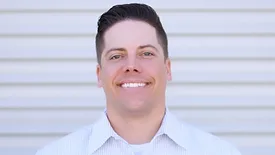
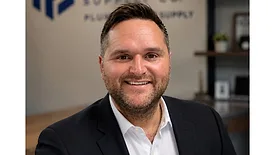
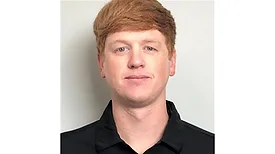
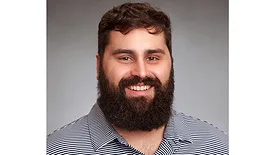
Cody McLeod grew up watching his father build a plumbing business. Two decades later, he’s carrying that legacy forward through a company of his own, with a focus on developing people, raising industry standards and creating lasting careers.
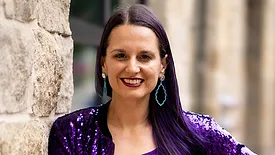
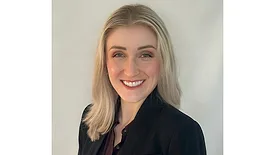
One plumbing client introduced Jen McKee to the trades. Today, she’s helping home service businesses use social media to showcase their people, build customer trust, and tell the stories behind their brands.
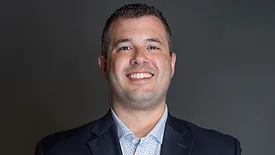
After nearly two decades in PHCP-PVF, Matthew Liber has learned that successful distribution comes down to more than having the right products. It takes technical knowledge, dependable service and relationships built to last.
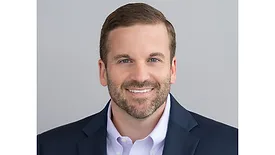
After 16 years in PHCP-PVF, Neal Longley knows successful distribution requires more than moving products. It takes strong relationships, problem-solving, and a commitment to serving customers, communities, and the next generation.
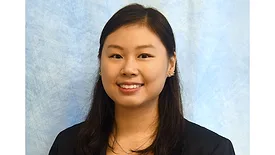
A visit to Paris’ Centre Pompidou changed how Jeanette Lin saw buildings. Today, she designs the plumbing and fire protection systems that safeguard public health while helping create a more visible path for women in engineering.
After nearly two decades in PHCP-PVF, Matthew Liber has learned that successful distribution comes down to more than having the right products. It takes technical knowledge, dependable service and relationships built to last.
Garrett Kline knew from an early age that plumbing was his path. Today, he’s pairing 11 years of field experience with a commitment to solving complex problems and helping the next generation of plumbers master their craft.
Amelia Kittson grew up in the family business she now leads. As KIE Supply’s third-generation president, she’s balancing a 70-year legacy with the responsibility to create opportunities, earn trust, and position the independent company for its next generation.
Tyrel Herrlein found his way into PHCP-PVF while looking for work closer to home. Six years later, he’s helping local customers succeed and supporting projects that make an impact in his own community.
Tyler Heath inherited a plumbing legacy, but he’s building the next chapter by developing people, trusting his team and creating a business positioned to grow beyond any one person.
 RSS
RSS