Lead Yourself First: The Operator’s Playbook for Scaling a Trades Business Without Losing the Team
Why financial clarity, install capacity, and a “leaders eat last” culture can turn steady revenue into sustained growth.
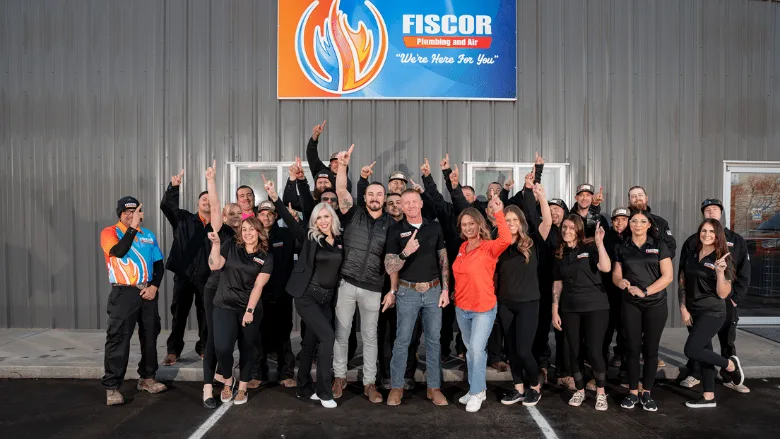
In the trades, it’s easy to mistake “busy” for “healthy.” A packed schedule feels like security. Two to three weeks of installs on the calendar can look like a win, until you realize that backlog is also a symptom of missed opportunity, delayed cash, stressed customers, and a team constantly trying to catch up. Kevin Fiscor, owner of Fiscor Plumbing and Air in Northern Arizona, has lived that tension firsthand. After years in the trade, he’s built a business that’s rapidly scaling (moving from roughly $11M in rolling revenue toward much higher targets) while operating in a market of about 100,000 people.
Kevin’s message is blunt and straightforward: contractors don’t lose momentum because they lack demand. They lose momentum because they tolerate invisible leaks, whether financial, operational, or cultural. When those leaks compound, “comfortable” turns into constrained. And the fix isn’t one tactic. It’s an operator’s discipline to know the numbers, build the production bench, and create a place where great people actually want to stay.
Shifting Your Mindset from Tradesman to Operator
Kevin doesn’t romanticize the early days. Most of us enter the industry as technicians, installers, and problem-solvers, not as business operators. You can pass the licensing tests, work hard, and still end up wondering why the company feels like it’s always scraping by. For Kevin, the turning point wasn’t a flashy trend or a motivational quote. It was realizing that “you don’t know what you don’t know,” especially around financials.
He credits strong mentors and coaching for helping him learn to read the scoreboard correctly. He began to study the P&L, pricing realities, margin requirements, and the actual cost of “just getting the job.” His operating cadence reflects that seriousness. Kevin insists on monthly financial reviews (not quarterly), consistent reporting, and refuses to let the business drift on gut feel. In his words, as long as he used to see the bank account rising, he assumed the company was healthy. That illusion doesn’t scale. Operators operate, and that means leading with clarity, not hope.
Numbers Don’t Lie, But They Do Punish Delays
One of Kevin’s strongest convictions is that waiting until the end of the quarter to review performance is how contractors accidentally lose a season. When you finally sit down with your CPA and realize you missed profitability targets, you can’t “go back” and reclaim those months. The game is already over, so to speak, and you’re just looking at the score.
His approach is to treat the P&L like a weekly reality check and a monthly decision engine. It lets him answer questions like, "Where are we bleeding? What should pricing be in this market? Are we actually netting what we think we’re netting?” Kevin isn’t prescribing one universal margin because he knows every operation is different, but he is prescribing the habit of reviewing consistently. Understanding the story behind the numbers helped him stop resorting to “trash counting” (his term for relying on bank balance rather than real financial performance).
For contractors trying to grow, the uncomfortable truth is that you need to get familiar with data. If you don’t know your numbers, you’ll keep working harder for the same result, because the business is quietly charging you interest.
Build the Production Team To Unlock Speed
Kevin’s most tactical advice surprises many owners. He believes that growth is often less about sales and more about production capacity. Kevin calls installers his “production team,” and he thinks the business must be built to support same-day or next-day installs whenever possible. Being booked out for two weeks isn’t a badge of honour; it’s money sitting on the table.
He learned this lesson through direct feedback. If the sales engine is strong but installs can’t keep up, the company bottlenecks itself. Jobs cancel, timelines slip, customer experience suffers, and you lose the very momentum marketing and sales worked to create. The fix isn’t complaining that “good people are impossible to find.” Kevin used to say that, too. Now he rejects the premise. In his view, the market isn’t the excuse; the culture is the magnet. If you build a place where people win, you can staff a production bench even in smaller markets.
Standards, Celebration, and “Leaders Eat Last”
Kevin is unapologetic about standards because he believes standards create pride. That starts with the basics, like clean, wrapped vehicles, branded clothing, and a shop environment that looks like an official organization, not a temporary job site. But it goes deeper than aesthetics. Standards mean you don’t lower the bar to keep people comfortable. You uphold expectations without ruling with an iron fist.
Then he pairs standards with something many shops under-invest in. Specifically, he invests in celebration. Kevin’s team runs monthly recognition rhythms that feel more like a championship culture than a typical “meeting.” Belts, awards, and clear wins are eagerly distributed. Titles and awards such as Top Revenue Producer, Cleanest Install, Top Install Revenue, and Membership Performance are conferred and celebrated. The point isn’t gimmicks. It’s identity. When employees feel seen and progress is visible, performance becomes contagious.
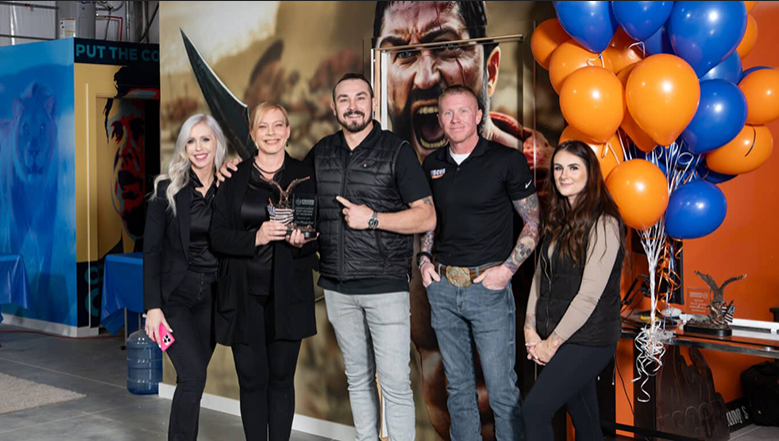 Image courtesy of Fiscor Plumbing and Air and Chris Lollini.
Underpinning all of it is Kevin’s philosophy that the owner shouldn’t be the only one “winning.” He believes leaders eat last. Your employees win when you pay strongly, offer real benefits (even if it stings at first), promote from within, and put the right people in the right seats. After all, loyalty to a last name or convenience hire decisions eventually costs you the culture you’re trying to build. Loyalty to your people, on the other hand, wins their loyalty to you.
Communication Lets The Team Cut Through The Chaos
Kevin believes the thing his organization does unusually well is communication, and he’s right to elevate it. In the field, communication breakdowns don’t just create frustration; they create rework, callbacks, slowdowns, and blame.
He uses Slack heavily on the office side (with many channels), but he’s also realistic about adoption. Field teams often prefer simple group texts over another app to log into. The winning move is not forcing a tool. It’s building a communication system that actually gets used. That means separate channels for service and install, clear updates, less confusion, and more speed. When communication is consistent, the entire operation gets calmer, and calm is a competitive advantage.
Practical ways contractors can adopt Kevin’s approach
- Start with a monthly P&L review, no exceptions. If you’re waiting quarterly, you’re accepting avoidable surprises.
- Build install capacity before you “need” it. If you’re booked out weeks, your bottleneck isn’t demand, it’s production.
- Raise visible standards, such as your vehicles, uniforms, shop presentation, and install expectations. Company pride scales company performance.
- Make a system for celebrating monthly wins, public recognition, and clear KPIs that reward the right behaviors.
- Simplify communication by using separate group threads for service and install, and by using the tools your field team will actually engage with.
When the Leader Gets Clear, the Business Gets Clean
Kevin’s story carries an edge because it’s personal. He believes the business can only become healthy when the leader does. In his words, “the fish rots from the head,” and when he removed the noise and got serious about himself, the company’s momentum changed.
That’s why his operating philosophy lands. This isn’t about hype or hacks. It’s about becoming the kind of operator who can scale without sacrificing people, quality, or clarity. In the CoLab spirit, Kevin’s lesson to the industry is direct: If you want the next level, start acting like the operator your next level requires, someone financially disciplined, culture-driven, and relentlessly focused on building a team that can execute fast.
Looking for a reprint of this article?
From high-res PDFs to custom plaques, order your copy today!