September brings another relatively light round of PHCP-PVF price increases, with adjustments affecting pumps, valves, piping products, and other plumbing-related product categories, with increases from 3% to 30%.
Many air-to-water heat pumps now include hydronic-side components and system-level controls, but installers still need a backup plan when those controls go down.
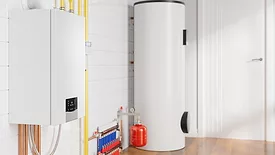
Many air-to-water heat pumps are combined with boilers. In retrofit projects, it’s likely an existing boiler; in new projects, it’s likely a mod/con boiler. The boiler can provide supplemental heat during very cold weather. It can also serve as a backup heat source should the heat pump become inoperable.
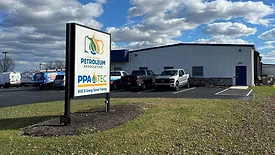
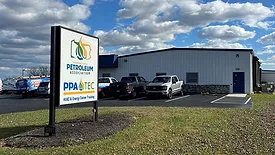
With enrollment rising and demand for skilled technicians increasing, PPATEC's new Grantville facility is designed to provide hands-on training, certifications and career pathways for HVAC professionals.
PPATEC’s course offerings are specifically tailored to train HVAC/R, energy industry, and hydronic technicians in Pennsylvania and surrounding states. PPA member companies contribute to coursework to help design training programs that offer students a direct, hands-on learning experience that results in strengthening the professional skills of their employees.
PPATEC's new Grantville, Pennsylvania training center is three times larger than its previous facility, positioning the organization to expand hands-on HVAC/R and hydronics education while helping address the industry's workforce shortage.
An installer is planning a multi-zone floor heating system supplied from a single stage non-modulating geothermal heat pump. Can you identify at least four design flaws or operational issues that are likely to develop if the system is installed as shown?
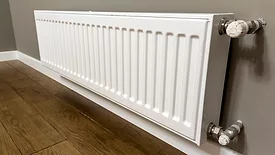
Panel radiators operated at low water temperatures, and with minimal fins attached to the rear of the water plate, can emit upwards of 50% of their total output as radiant heat.
AHR Expo 2026 made it clear that hybrid systems are no longer an emerging idea; they are the answer to the ongoing balancing act of meeting decarbonization goals while remaining realistic about the grid's capacity for electrification. Manufacturers emphasized systems that combine electric technologies, gas-fired equipment, and advanced controls.