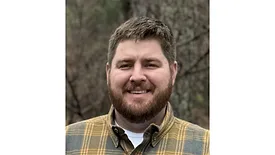
A third-generation plumber who once planned on an office career, Chase West found his calling solving problems, serving customers, and developing the next generation of plumbing professionals.
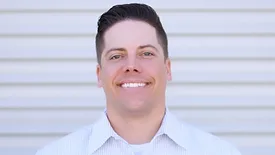
Cody McLeod grew up watching his father build a plumbing business. Two decades later, he’s carrying that legacy forward through a company of his own, with a focus on developing people, raising industry standards and creating lasting careers.
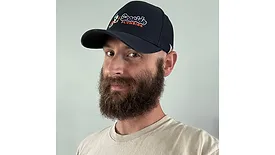
Garrett Kline knew from an early age that plumbing was his path. Today, he’s pairing 11 years of field experience with a commitment to solving complex problems and helping the next generation of plumbers master their craft.
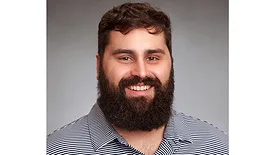
After searching for his place in the trades, Logan Hurt found it in plumbing. Now, the former apprentice is helping the next generation build confidence, develop their skills and find their own path in the industry.
Tyler Heath inherited a plumbing legacy, but he’s building the next chapter by developing people, trusting his team and creating a business positioned to grow beyond any one person.
America is investing in the next generation of skilled tradespeople, but recruitment and technical training are only part of the equation. Building a stronger trades workforce also means developing leaders who can grow businesses, create careers, and strengthen communities. Discover why leadership development could be the industry’s critical next investment.
The collaboration focuses on workforce optimization, a core Trimble value that addresses the widening skills gap by making professional technology more accessible.
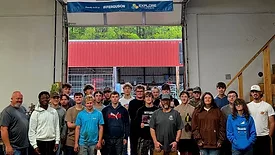
Explore The Trades (ETT) received a record number of applications for this year’s grants, which the organization said demonstrates an unprecedented interest in career and technical education among students, educators, and school communities across the country.