Veterans Day
Mission-ready workforce: Why veterans are the key to closing the trades labor gap
On my last day in the Army, I was driving a U-Haul full of gear out of the battalion parking lot when I clipped the duty van. The Command Sergeant Major came charging out mid-PT, furious. “Perfect,” I thought, “my final day, and I’ll leave with a bill.”
That was the small mishap that marked the end of one mission and the start of another. For most veterans, leaving the service feels like stepping out of one of the world’s most capable organizations, one that’s disciplined, purpose-driven, and tight-knit, into a world that suddenly has no clear structure. One day, you’re leading a team, and the next, you’re wondering what to do with the skills you’ve built.
A workforce challenge with a ready solution
America’s trades face a critical labor shortage. For every electrician entering the industry, as many as five are retiring. Estimates show more than 100,000 open positions across HVAC, plumbing, and electrical fields, with that gap widening each year.
The shortage in question affects more than simply headcounts. These unfilled positions affect energy efficiency, infrastructure reliability, and project timelines across residential and commercial systems. However, one solution is standing right in front of us, ready with skills and mentalities trained to find solutions: U.S. Veterans. With proper training, they’re already prepared to step into these roles and restore balance to a workforce under strain.
Why veterans excel in the trades
Veterans are accustomed to systems, structure, and safety, the same principles that govern plumbing, mechanical, and electrical work. Those who kept platoon-level generators running in remote outposts or maintained equipment in combat zones have already proven they can troubleshoot, adapt, and deliver under pressure.
The skill sets align naturally:
- Technical mindset and mechanical aptitude
- Discipline and precision from operating within codes and procedures
- Reliability and teamwork are ingrained through mission-based operations
These traits translate directly into the kind of workforce our industry depends on: professionals who don’t cut corners and who take pride in doing the job right.
Bridging the civilian gap
When I left the Navy, I had leadership experience, resource management skills, and operational training—but none of that seemed to register in the civilian world. Job applications disappeared into online portals, and interviews focused on credentials instead of character.
Most veterans aren’t looking for handouts; they’re looking for opportunity. Once an employer recognizes their transferable skills, everything changes. My first real break came from another veteran who saw past the résumé and understood what those experiences meant. That opportunity led to a leadership role on a major civic engineering project—and showed me how naturally the mission mindset applies to technical fields.
How employers can lead the way
Contractors and mechanical firms can make a measurable impact by actively hiring veterans. Here’s how:
- Identify transferable skills—leadership, logistics, and mechanical experience are already there.
- Build structured apprenticeship or mentorship programs with clear milestones.
- Partner with veteran-training organizations like Helmets to Hardhats, Hire Heroes USA, or ForgeNow.
Our company works closely with trade schools in San Diego that graduate veterans from HVAC and plumbing programs. When they finish training, their names go straight to the top of our hiring list. Once onboard, they often bring others—creating a self-sustaining recruitment network of dependable professionals.
Beyond hiring: Building community and capability
Bringing veterans into the trades isn’t charity; it’s capacity building. They tend to stay longer, care deeply about their work, and invest locally. Every veteran hired strengthens not just a company but the community it serves.
The ripple effects are significant: fewer project delays, safer worksites, higher quality standards, and long-term workforce stability. Trade associations and policymakers can accelerate this progress by developing veteran-focused education pipelines and incentives.
A mission worth continuing
Veterans bring the same precision, integrity, and teamwork that the trades demand. When contractors invest in them, they’re not just solving a hiring problem—they’re reinforcing the foundation of America’s infrastructure.
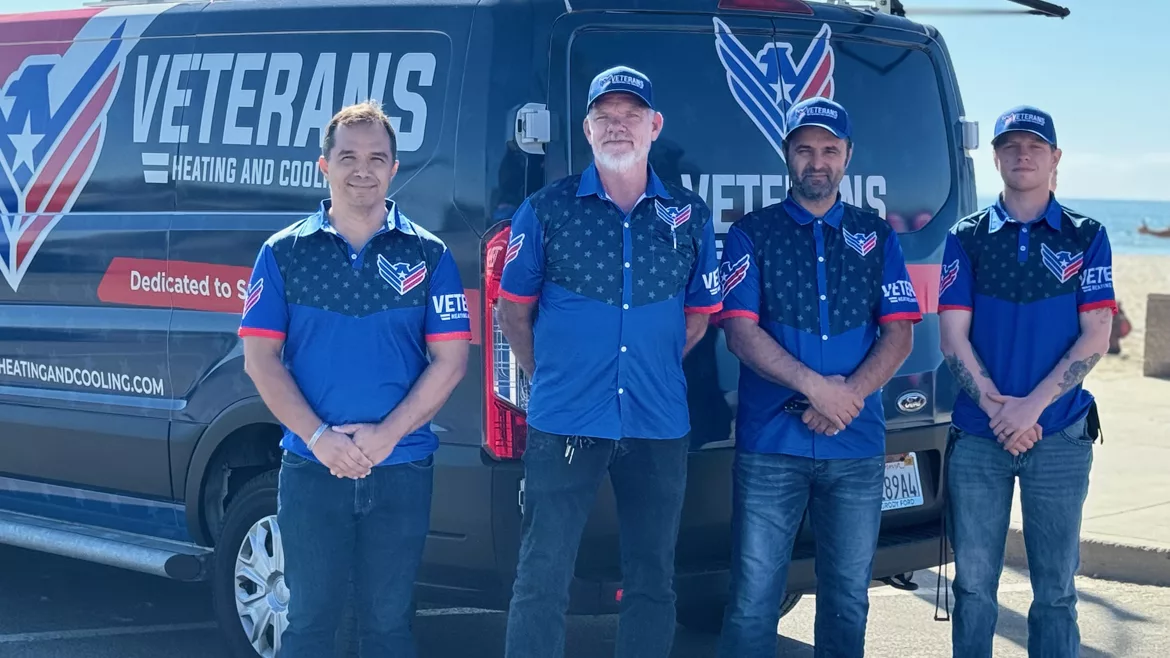
At Veterans Heating, Air Conditioning, Plumbing & Electrical, we see firsthand how purpose and performance go hand in hand. And at Reputation Igniter, we apply that same principle—supporting contractors, helping them grow, and strengthening the industries that keep our nation running.
Because when veterans join the trades, it’s more than a career move. It’s the continuation of a mission that keeps America strong, one technician and one system at a time.
If you want to build a stronger workforce, start by asking one question: Are you hiring veterans?
Looking for a reprint of this article?
From high-res PDFs to custom plaques, order your copy today!