As utilities prepare for large-scale retirements, Nyad is building an AI tool to preserve operator knowledge and deliver guidance when newer workers need it most.
For Nyad, success is not measured by removing operators from the process. It is measured by giving more operators access to the kind of guidance that has traditionally depended on who happened to be on shift.
Georgia’s new contractor licensing provision aims to curb misleading advertising by unlicensed businesses while strengthening consumer protections and supporting contractors who meet state licensing requirements.
Backflow can compromise potable water systems and pose serious public health risks. Learn how the 2024 International Plumbing Code, proper backflow prevention, routine testing, and cross-connection control strategies work together to help protect drinking water.
While this month's announcements were more limited, price adjustments still affected valves, hydronic controls, pipe, supports, water heating products, and other plumbing and PVF product categories, with increases reaching close to double digits for some lines.
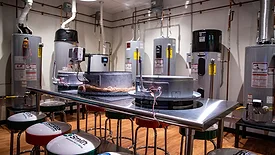
Commercial water heating is moving beyond like-for-like replacement as efficiency standards, electrification policies and smart controls change how systems are specified, installed and serviced.
Federal standards may set the timeline, but state policies, building owner expectations and new technologies are accelerating commercial water heating’s high-efficiency transition.
Data centers, AI infrastructure, and large commercial construction are fueling demand for industrial PVF products, even as tariffs, commodity volatility and labor shortages force manufacturers and distributors to rethink supply chain strategies.
At Epoch, Endra will bring together leading engineers and innovators to unveil its electrical module and set out its vision for AI-native MEP engineering
Water doesn’t care about travel plans or escaping the Alabama heat, or whether the right contractor is available before Monday morning. It finds the weak point, and if that weak point goes unnoticed long enough, a small issue can become a much bigger one.
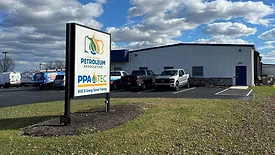
With enrollment rising and demand for skilled technicians increasing, PPATEC's new Grantville facility is designed to provide hands-on training, certifications and career pathways for HVAC professionals.
PPATEC’s course offerings are specifically tailored to train HVAC/R, energy industry, and hydronic technicians in Pennsylvania and surrounding states. PPA member companies contribute to coursework to help design training programs that offer students a direct, hands-on learning experience that results in strengthening the professional skills of their employees.
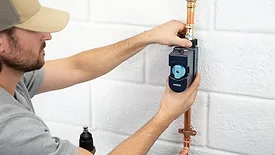
From AI-powered leak detection to smart faucets, water heaters, and bottle filling stations, connected plumbing is reshaping how water systems are managed. Learn how intelligent plumbing technology is reducing maintenance costs, conserving resources, improving hygiene, and creating new opportunities for contractors and distributors.

 RSS
RSS