Drawing on his roots in the trades and experience building technology companies, Chris Buttenham is helping independent business owners share the value they’ve built with the employees who helped create it.
What started with an Indeed job ad became a mission for Taylor Bray, who is helping tackle the skilled labor shortage by creating new pathways into the plumbing industry.
From mastering tough service calls to developing the next generation of technicians, Daniel “Danny” Bears has built his career around solving problems, sharing knowledge, and earning customers’ trust.
America is investing in the next generation of skilled tradespeople, but recruitment and technical training are only part of the equation. Building a stronger trades workforce also means developing leaders who can grow businesses, create careers, and strengthen communities. Discover why leadership development could be the industry’s critical next investment.
How can contractors can look beyond wages and traditional retirement benefits to build compensation strategies that reward loyalty, leadership, and long-term contributions to the business?
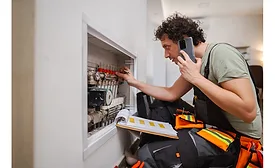
Two identical air-to-water heat pumps deliver nearly twice the expected output when operating together, but when either unit runs alone, its measured output falls well below its rating. What’s causing the performance drop, and how can the system be corrected?
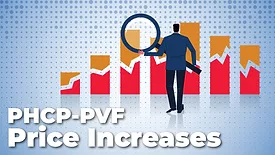
September brings another relatively light round of PHCP-PVF price increases, with adjustments affecting pumps, valves, piping products, and other plumbing-related product categories, with increases from 3% to 30%.
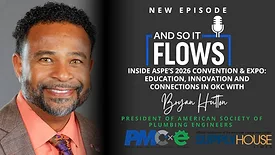
In this episode of So It Flows, ASPE president Bryan L. Hutton shares what attendees can expect from the organization’s big biennial event, from technical education and new technologies to networking with plumbing engineers, designers, contractors, manufacturers, and other industry professionals.
 RSS
RSS