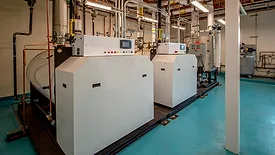
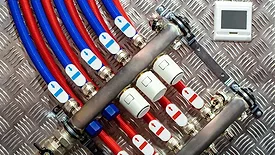
What if your boiler system could automatically switch between heat sources based on energy cost? A closer look at staging logic, relays and smarter system control.
This shift transitions the firm’s technology discipline into three specialized yet connected teams, each led by a dedicated executive.
The company announced an evolution of its technology team aimed at expanding its research capabilities, accelerating digital innovation, and strengthening operational excellence
Codes are expanding into areas like resilience, electrification, water quality management and long-term accountability. No longer are they static rulebooks; they’re living frameworks shaping how systems perform over decades.
When comparing hydronic systems designs that are common in North America with typical European equivalents, comparisons reveal details that would be beneficial in either market, but are not “traditional” in one market or the other.

 RSS
RSS