From moving product to becoming a company shareholder, David Blair has built his PHCP-PVF career around problem-solving, operational improvements, and an appreciation for the essential work happening behind the walls.
Valuation begins with the owner's own books and operating data to establish what the company is worth today. Its agentic analysis then identifies the factors driving that value, benchmarks the business against peers and highlights the levers with the greatest potential impact.
AI Service Advisor assessed $1.4 billion in maintenance spend during open beta, aiming to help fleets reduce time in the shop and avoid unnecessary costs.
Wint's platform uses AI algorithms to analyze water data in commercial and industrial buildings in real time, giving facilities and risk teams precise visibility into where water is being used, wasted, or lost before damage occurs.
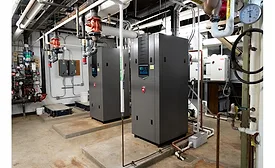
Tasked with protecting valuable artwork while controlling operating costs, the Tacoma Art Museum upgraded its heating system with Lochinvar Crest with Hellcat boilers. The retrofit has delivered energy savings of more than 10% while helping the nonprofit secure grant funding for the project.
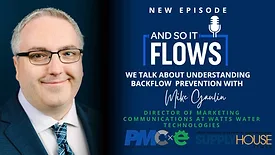
From common misconceptions to evolving technology, this episode explores what contractors need to know about backflow prevention, including inspections, repairs, replacements, codes, and selecting the right solutions.
SEO isn't dead, it's evolving. In Part 1 of this three-part series, discover why trust, expertise and customer-focused content have replaced keyword tricks, and what every business needs to know to stay visible in the age of AI.
Backflow can compromise potable water systems and pose serious public health risks. Learn how the 2024 International Plumbing Code, proper backflow prevention, routine testing, and cross-connection control strategies work together to help protect drinking water.
Data centers, AI infrastructure, and large commercial construction are fueling demand for industrial PVF products, even as tariffs, commodity volatility and labor shortages force manufacturers and distributors to rethink supply chain strategies.
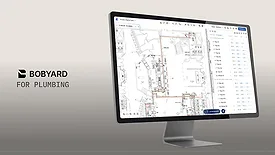
Plumbing is one of the largest and most essential specialty trades in construction, with the U.S. plumbing industry projected to reach $191.4 billion in 2026 and include roughly 129,000 businesses nationwide, according to IBISWorld. At the same time, the construction industry continues to face a major labor shortage, putting more pressure on contractors to do more with their existing teams.
 RSS