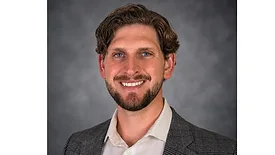
Located in Lee, New Hampshire, Wilson Controls was founded in 2012. The company engineers, programs, integrates, and supports PLC and SCADA systems, instrumentation, and control panels.
PVC antitrust litigation continues to develop as settlements top $415 million and plaintiffs identify six major distributors as alleged co-conspirators in the price-fixing case.
The PHCP-PVF industry has been fighting stereotypes for decades. Though the world seems to be coming around, and more people are recognizing the opportunities available in the trades, it hasn’t happened without a fight. And it certainly hasn’t happened overnight. That makes this contest, recognizing the people who decided to dedicate their careers — their life — to this industry, all the more important.
Driven by curiosity and shaped by firsthand experiences with water scarcity, Patty Valdes is helping rethink how water systems are designed, while bringing the technical rigor to catch what others might miss.
New to PHCP-PVF but not to serving others, Matthew Hasley is building his career by expanding his product knowledge, solving client challenges, and helping the next generation of engineers and designers learn along the way.
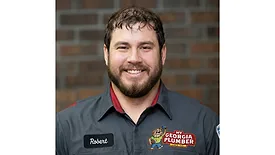
Robert Derrico entered plumbing at just 14 years old. More than two decades later, he’s still learning, solving problems, and helping technicians develop the skills and confidence to build careers of their own.
Curiosity about solving everyday problems drew Jose Camacho into PHCP-PVF, where he has built an eight-year career around innovative solutions, teamwork, and improving the systems people rely on every day.
As utilities prepare for large-scale retirements, Nyad is building an AI tool to preserve operator knowledge and deliver guidance when newer workers need it most.
For Nyad, success is not measured by removing operators from the process. It is measured by giving more operators access to the kind of guidance that has traditionally depended on who happened to be on shift.

 RSS
RSS