Wint's platform uses AI algorithms to analyze water data in commercial and industrial buildings in real time, giving facilities and risk teams precise visibility into where water is being used, wasted, or lost before damage occurs.
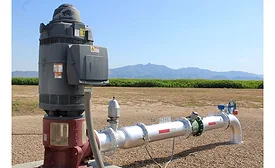
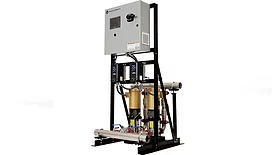
The equipment is being distributed across all four key geographic regions of the country — including the Western (Zona Occidental), Central, Eastern (Zona Oriental), and San Salvador Metropolitan regions — delivering vital municipal water services across various departments.
In Southern California, rate increases ranging from 20 to 60 percent have hit customers depending on their district. Managers are looking for every opportunity to cut consumption and cut costs.
A February 2026 survey by Waterless Co., Inc. asked building managers across Southern California and Arizona why they chose no-flush urinals for their facilities. The key reasons were saving water and cutting costs.
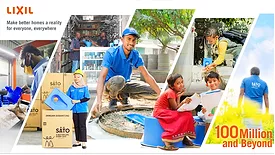
In collaboration with a diverse range of partners, LIXIL is focused on creating sanitation markets in global economies and rural communities.
Approximately 1.7 billion people do not have basic hygiene services at home. The human cost is devastating: more than 1,000 children under the age of five die every day from diseases spread by unsafe drinking water, poor sanitation, and inadequate hygiene.
Stopping the leak is only part of the job. Knowing when to call in a restoration expert can protect plumbers from callbacks, liability and long-term damage.
The nonpartisan research organization featured IAPMO's Water Demand Calculator in a landmark report.
The Pacific Institute’s new report, Untapped Potential, highlights IAPMO’s Water Demand Calculator as a key solution for improving national water efficiency. The study finds that municipal and industrial water use in the U.S. could be cut by up to 60% through proven technologies and smarter design practices.
Jessica Kramer’s confirmation emphasizes collaboration on science-based policies that strengthen U.S. plumbing manufacturing.
Plumbing Manufacturers International CEO Kerry Stackpole welcomed Jessica Kramer’s Senate confirmation as EPA Office of Water assistant administrator, noting her balanced approach and commitment to advancing clear, pragmatic water policies that drive innovation and protect U.S. jobs.
This case study covers a car wash business looking to upgrade its struggling boiler setup.
When aging boilers left A-1 Truck & Car Wash vulnerable to costly downtime, the facility turned to a scalable tankless system that delivered faster installation, greater efficiency and reliable hot water for its high-volume operations.