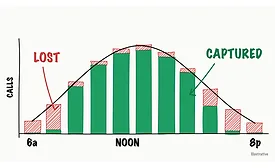
How much revenue disappears when no one answers the phone? Missed calls, especially before opening, after hours and on weekends, can mean more than a lost order. See how contractors and distributors can measure the gap, improve answer rates and turn more calls into long-term customer relationships.
Rinnai America Corporation has announced the launch of PRO Tech, a loyalty program that recognizes individual plumbers and HVAC contractors who install and register Rinnai products.
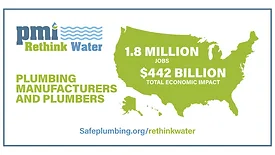
Plumbing Manufacturers International’s “Plumbing Manufacturing Industry Economic Impact Study” reveals the combined, total economic impact of plumbers and plumbing manufacturers to be more than $442 billion annually, with almost 1.8 million jobs, and over $142 billion in wages.
As demand for essential home services continues to grow, bluefrog Plumbing + Drain is focused on expanding its footprint in key markets across the country.
Water doesn’t care about travel plans or escaping the Alabama heat, or whether the right contractor is available before Monday morning. It finds the weak point, and if that weak point goes unnoticed long enough, a small issue can become a much bigger one.
Understanding where business intelligence leaks occur can help contractors improve cash flow, strengthen margins and make smarter operational decisions.
Available in multiple pricing tiers, the packages make trade-specific software more accessible for HVAC, plumbing and electrical businesses of all sizes.
American Residential Services' Drain Cleaning Academy Training Program is a 7-week hybrid learning experience designed to take individuals with little to no plumbing experience and transform them into field-ready plumbing drain technicians.
In her first editor's note, Hannah Belloli-Oster shares how a carpenter father, a journalism degree, and a few career leaps led her to Plumbing & Mechanical, and why she's excited to learn alongside the industry she now serves.