Contractor's Corner | Dave Yates
Cold snaps don’t just freeze pipes; they steal hot water
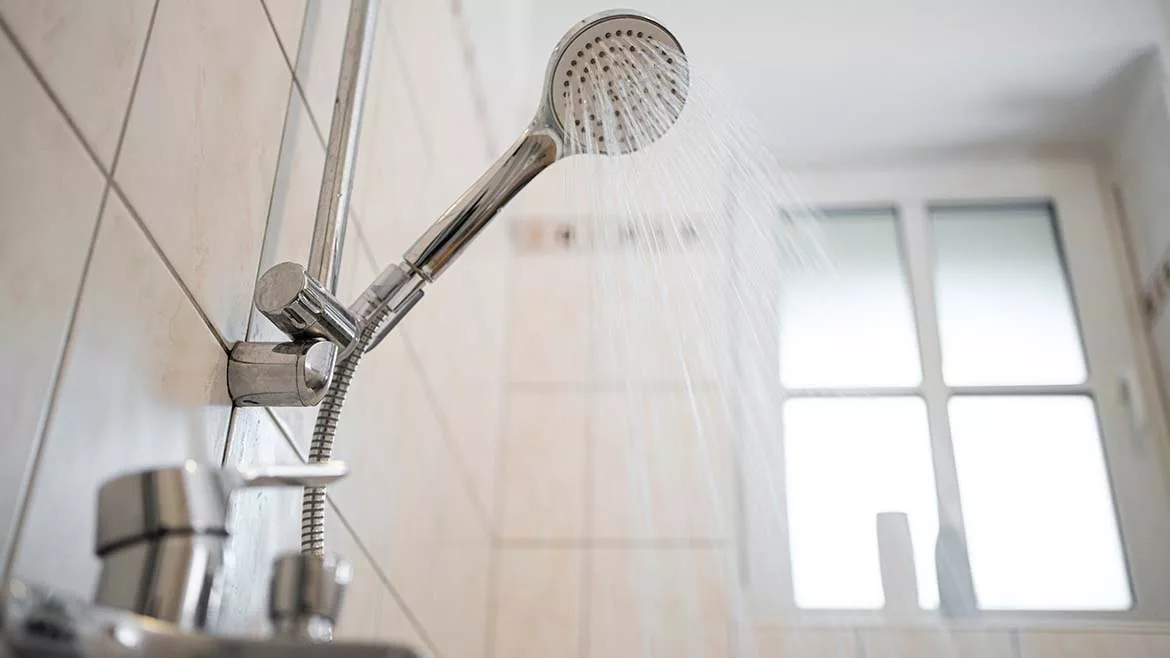
A common plea during the recent bitter cold spell: no heat, frozen pipes, frozen underground water service line and sewer lines, too! But, there’s always at least one issue homeowners never expected - running out of hot water when they haven’t had that problem previously, and there are no teenagers living with them (yet). Teenagers tend to get in a hot shower when they turn 13 and stay there until they turn 20!
This was a home with a tank style electric water heater. Upon arrival, you discover it is a 50-gallon tank model and there is a small wet spot directly below the relief valve’s drip tube that extends to within six inches of the floor. How long does the hot water last during showers? “Runs out towards the end of my shower, and my husband goes first because of our work schedules.” Showers are taken back-to-back, so this leads you to believe the dip tube is ok.
You tell the homeowner the extreme bitter cold weather has the incoming municipal cold water at the lowest temps we have witnessed in years. A quick check reveals their incoming cold water is 35F, indicating frost levels are approaching the 3.5 foot depth of their water service line. Colder water required they shift the shower mix to use more hot water to maintain the same mixed temperature for comfort, which equals less time before the mix becomes unsustainable. She wants a better answer! “I want you to tell me precisely why we’re running out of hot water!” As the saying goes: If momma ain’t happy, ain’t nobody gonna be happy!
In order to verify the water heater is operating properly, you first turn off the 30-amp 220-volt breaker and don’t need to do a LOTO (lock out tag out) because the breaker panel is within a few feet and visible. Removing the top access panel, you check across both terminals and from each terminal to ground to ensure the breaker was labeled properly and no stray voltage is present. With the thermostat and wiring now exposed, you flip the breaker back on and find 235-volts across the top two terminals.
Both the upper and lower thermostats are satisfied, so no active call for heating and, as you fully expected, one side of the heating element has power while the other side remains off until you run hot water long enough to trigger the thermostat or you turn up the thermostat’s temperature setting. Both the upper thermostat and lower thermostat are adjusted separately to check amp draw for each element, which your amprobe clamp meter shows 18.8 amps.
Ohm's Law describes the relationship between voltage, current, and resistance in an electrical circuit. Discovered by German physicist Georg Simon Ohm and published in 1827, it states that the current flowing through a conductor between two points is directly proportional to the voltage across the two points and inversely proportional to the resistance of the conductor. We can use one of Ohm’s Law’s formulas to determine the actual (not the listed) watts for the heating elements: watts = amps x volts
Amps 18.8
Volts 235
Watts 4,418
A watt of energy produces 3.412 Btus and 4,418 x 3.412 = 15,074.216 Btu input per element, but only one element operates at a time because two operating simultaneously would be looking for 37.6-amps from a 30-amp breaker rated for a maximum 80% load of 24-amps.
A gallon of water weighs 8.34-Lbs, and we need to raise the incoming 35F water to 120F, a delta-T of 85F. 8.34 x 85 = 708.9-Btu required per gallon. 15,074.216/708.9 = 21.3 gallons per hour of recovery at the current 35F incoming cold water. 21.3/60 minutes = .355 gallons per minute, and the homeowners tells you their two showers last a total of 20-minutes.
To obtain the percentage of hot water required for the mixed 105F temp they use in their shower, you use the following formula: (105 - 35)/(120 - 35) = 0.824. If their shower head were to use 2.5 gallons per minute, then a 20-minute shower would use 41.2 gallons of hot water. However, their incoming water pressure is 98-PSI, and her husband long ago took out the flow restrictor and their shower head flows at 3.5-GPM.
3.5 x .824 =2.884 gallons of hot water in the flow per minute. 2.884 x 20 minutes =57.68 gallons of 120F water required, and even when adding back in the recovery rate, that’s why they are running out of hot water.
After presenting various options, they opted for a second 50-gallon water heater twinned in parallel and valved/piped so that one can be isolated (for service or replacement) without interrupting service. Besides which, their two young children will be teenagers in a few years, at which time they can upgrade their electrical service to add an electric tankless or -- better yet -- add a separate stand-alone tank-style electric water heater for the kid’s bathroom. Cold water will always eject a teenager from the shower!
As for the small puddle under the drip leg and its relief valve? Ensuring no water is being used anywhere in the home and checking the tattletale dial on the water meter, which was not moving, you then attach a pressure gauge at the water heater’s boiler drain or any other hose threaded fitting on the cold or hot potable water system and adjust the upper or lower water heater thermostat to initiate a call for heating and observe the gauge.
The result indicated either a loss of air charge on the 4.5-gallon thermal expansion tank, or a compromised bladder. No water from the bottom Schrader valve, but there was air and after shutting off the main valve and draining pressure away (leaving a cold side open on a faucet), the tank’s air pressure was only 20-PSI. Given they do not want you to install a PRV, you need to increase the tank’s air pressure to at least 95-PSI to increase acceptance volume for thermal expansion and keep the bladder from being plastered to the tank with a bit of water separation between bladder and tank or else the bladder can stick to the tank. A second thermal expansion tank will be needed when the additional 50-gallon water heater is installed.
Looking for a reprint of this article?
From high-res PDFs to custom plaques, order your copy today!