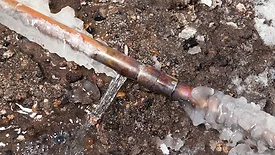
A common plea during the recent bitter cold spell: no heat, frozen pipes, frozen underground water service line and sewer lines, too! But, there’s always at least one issue homeowners never expected - running out of hot water when they haven’t had that problem previously.
Why clearly defining heated envelopes, coordinating insulation and choosing the right dry technologies are essential to reliable fire protection in cold conditions.
When sprinkler piping freezes, the resulting consequences can be grave: water damage, operational disruption and loss of fire protection when it is needed most. These failures are frequently attributed to extreme weather, but most stem from oversights in controlled conditions, such as unclear heated boundaries, improperly installed insulation that isolates piping from heat and incorrect application of dry sprinkler technology.
As Texas settled into a deadly-serious Polar Vortex, you could predict the pattern emerging based on your own past experiences with bitter-cold sustained weather conditions: No-heat calls inundating your emergency calls; heating systems not able to keep up with demand; heating systems stressed to the breaking-point; followed by frozen water lines, water services and water mains; and then biblical flooding and damage once thawing temperatures arrived.
The Plastics Pipe Institute (PPI) published a new technical report related to the break resistance of PEX pipe and tubing when fluid inside becomes frozen.