The Hidden Cost of Missed Calls for Plumbers
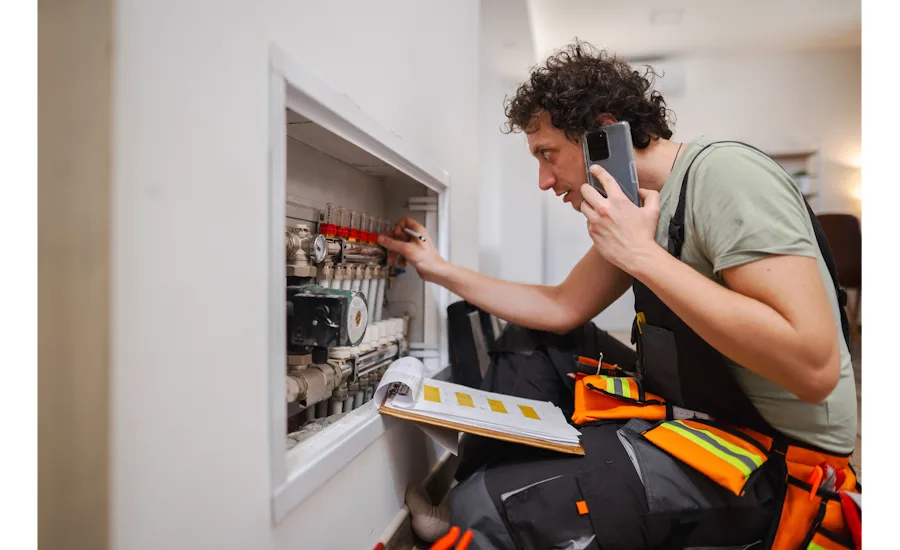
A plumbing business can spend thousands of dollars a month on search ads and truck wraps, and still lose the job before an estimator ever gets involved. The reason usually isn't marketing. It's the cell phone in a technician's pocket, buzzing with an incoming call while he's under a sink on another job and can't pick up.
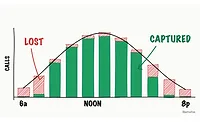
A typical residential plumbing call is worth $300 to $500, and commercial work runs $800 to $1,500, according to ticket-size benchmarks from Brentwood Growth, a firm that advises trades businesses on growth and valuation. Against that backdrop, a missed call is not a small thing. Data on home service call patterns shows that 27% of home service calls go unanswered, and that 85% of those callers hang up and call the next contractor rather than wait. Much of that gap opens up outside normal business hours: evenings, weekends, holidays, and the stretches after a storm when call volume spikes and staffing doesn't. A frozen pipe at 9 p.m. doesn't wait for business hours, and neither does the homeowner calling about it.
Voicemail Isn't a Safety Net Anymore
Ten years ago, a missed call meant a voicemail, and a voicemail meant a callback window. That's changed. When someone has water coming through their ceiling, they don't leave a message and wait. They hang up and call the next plumber in the search results, which is exactly what that 85% figure represents: not a quiet moment to catch up later, but a lead who has already moved on.
Calling back later doesn't fully close the gap, either. Many consumers don't pick up calls from numbers they don't recognize, so a callback from an unfamiliar line can go unanswered. This matters most for urgent, high-ticket jobs. A customer scheduling an annual water heater flush might tolerate a callback tomorrow. A customer with an active leak or no hot water for a family of five is calling three contractors in the same ten minutes, and whoever answers first usually wins the job. The estimate, the technician's skill, the price: none of it matters if the call never gets picked up.
Where AI Voice Agents Fit
This is the gap AI voice agents are built to close, and it's worth being specific about what that means in practice. These systems don't replace a dispatcher or a service manager. They pick up the calls nobody is free to take: during lunch, after the office closes, while the whole crew is on job sites, or during the after-storm surge when the phone rings nonstop for three days straight.
A well-set-up AI agent can answer, gather the basics (what's wrong, the address, how urgent it is), and either book a time slot directly on the calendar, route the job to the right on-site technician, or flag the call for a callback within minutes instead of hours.
One roofing contractor started using an AI answering service in mid-July and had handled more than 70 calls through it within about three weeks, calls that previously would have gone to voicemail during busy stretches or after hours.
The point isn't to hand the phone over to a machine. It's to make sure every caller reaches someone, human or not, who can capture what they need and get the request into the system. The owner or estimator still calls back to build the relationship and price the job. The AI agent's job is narrower: don't let the lead die in a voicemail box.
Qualifying Leads, Not Just Answering Them
The businesses getting the most value from this aren't just using AI to answer calls. They're using it to sort them. An agent that can distinguish a same-day emergency from a routine service request, capture the address and issue up front, and route accordingly saves the owner from playing phone tag before they even know if the job is worth a stop. That frees up the owner's time for what actually needs a person: scoping the job, building trust with the customer, and closing the estimate.
Consolidation Adds Visibility
Many plumbing companies run calls through multiple numbers: one for the website, one for Google Business Profile and sometimes a separate line for after-hours emergencies. Each of those is another place a call can get missed. Consolidating onto a single phone system, with AI coverage layered across those channels, can help close those gaps while still giving owners visibility into which marketing channels are driving calls.
Missed calls rarely show up on a marketing report. They can look like a slower month or a weaker-performing channel, even when the real issue is that a lead tried to reach the business and never connected. For plumbing contractors tracking leads across multiple numbers and marketing channels, making sure every inbound call gets answered can be just as important as knowing where that call came from.
Looking for a reprint of this article?
From high-res PDFs to custom plaques, order your copy today!