And So It Flows Podcast
Retention: The Best Exit Strategy
In a new episode of And So It Flows, Chris Buttenham discusses how retention planning can help plumbing contractors protect company value before a future sale.
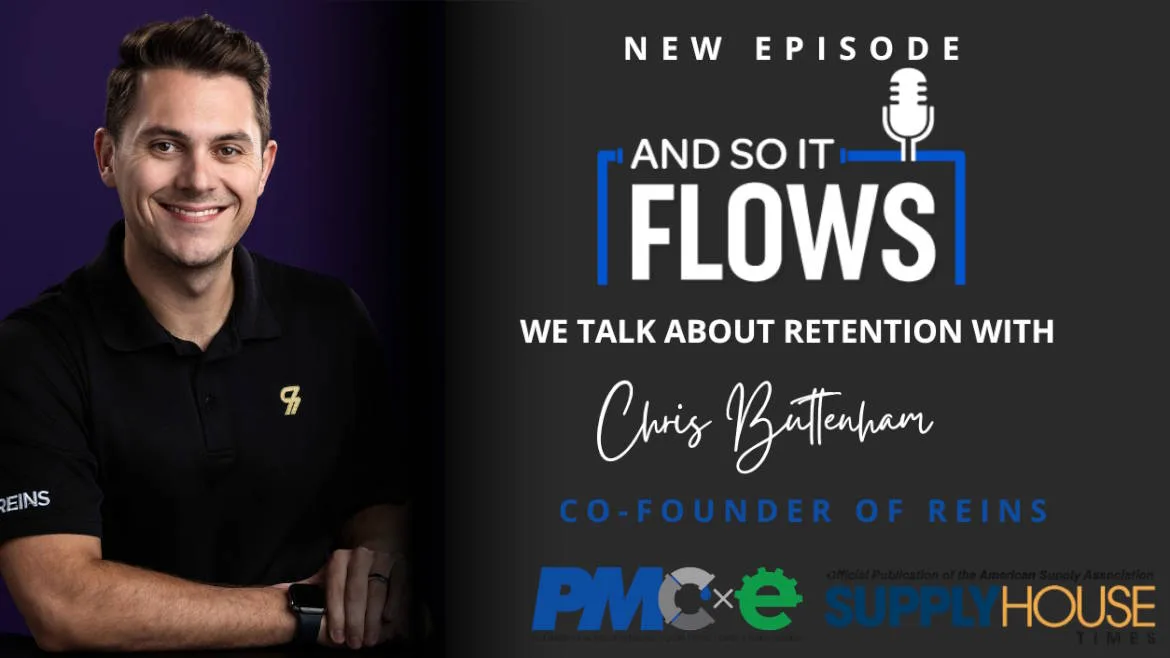
“Retention is the best exit strategy,” According to Chris Buttenham, who noted that employee turnover can cost 150% to 200% of an employee’s salary to replace. When key employees leave, companies face stalled jobs, retraining costs, productivity losses and cultural disruption — all of which can affect profitability and, ultimately, exit value.
Buttenham, co-founder and CEO of Reins, joined Kristen Bayles for And So It Flows to discuss how employee retention, leadership development and incentive planning can affect the long-term value of a plumbing business. Reins works with independent business owners, particularly in the trades, to create alternative equity arrangements that help retain key employees and align them with the company’s goals.
Listen to the full episode
For owners considering a future sale, Buttenham said that key employees are often part of what a buyer is evaluating. A strong leadership bench signals that the company can continue operating after the owner steps back. In his experience, companies that put equity or incentive plans in place 12 to 24 months before a sale have seen 15% to 20% increases in valuation.
Buttenham recommends owners begin planning three to five years before a sale. That timeline allows contractors to identify essential team members, close knowledge gaps and connect incentives to growth goals. Those key employees may include lead technicians, general managers, operations managers, trade managers, call center managers, CSRs and office staff.
Beyond raises, Buttenham pointed to longer-term incentive structures such as phantom equity or deferred compensation. These plans can give employees a bonus tied to the company’s future value, often at the time of sale, without requiring an immediate cash outlay. He also recommended pairing long-term incentives with profit-sharing plans so employees can see how company performance connects to their own financial upside.
Exit readiness, Buttenham said, is about more than revenue. Owners should ask whether the business is profitable, whether knowledge is concentrated in the owner’s head, whether the financials are organized and whether the team is incentivized to stay through a transition.
For plumbing contractors who want to increase company value over the next few years, Buttenham said the first step is culture: transparent communication, regular team meetings and clear discussions about company goals. The larger opportunity is helping employees understand how the business wins, and how they can share in that success.
Looking for a reprint of this article?
From high-res PDFs to custom plaques, order your copy today!