
Dave Yates: Run away boilers
Scary stories to keep you awake at night.
mevans/E+ via Getty Images
If you have never been face-to-face with a run away boiler, I can assure you it makes your sphincter pucker! My first one was during my first year as an apprentice. It was a steam boiler in a doctor’s office, and we could hear the roar of steam before we arrived! Steam had broken out a glass pane in a 1-foot by 2-foot basement window in the boiler room. The doctor, nurse, receptionist and all patients were standing outside in the cold. The fire department was on the way.
Paul Strayer (the journeyman I was with) and I entered the building and opened the door to the basement. A cloud of steam vapor met us, and we had to back up a bit until that settled down. We could see a layer of clear air about a foot deep at the concrete basement floor. As per my training, I always had a set of screwdrivers, flashlight and water-pump plyers in my back pocket. Being younger and more agile, I volunteered to head into Dante’s Inferno.
Midway through belly-crawling toward the roaring open relief valve, I had to ask myself what in the heck was I thinking? In hindsight, we should have just turned off the outside gas meter. Instead, I found the gas line at the boiler and turned off the gas cock.
My first dry-firing steam boiler was in the home of a church-going friend who was elderly. As I descended the wooden stairway, the radiant heat penetrated my pants legs, alerting me to something really hot. I was unprepared for the sight of a cherry-red glowing boiler, and I knew there was an auto-water-feeder attached to the steam boiler.
I knew red-hot boilers and cold water were a potentially explosive condition because I had read a story about the deadliest commercial accident at our York, Pennsylvania roller mill where 10 people were killed and dozens more injured. The roller mill relied on steam-power, as did many factories in 1908. Many used retired steam locomotive boilers and at this roller mill, they used a passing stream for makeup water that frequently clogged from trash floating along because it would be sucked in by the pumps. One of the old used locomotive boilers dry fired, and was glowing red when suddenly, cold water was injected. Water expands 1,700 times in volume as it turns to steam, and the explosion blew out the sidewall and roof while hurtling a 2-ton chunk of steel several city blocks when it demolished the rear of a home. Other bits of shrapnel buried themselves into nearby row homes.
Service stories
Meanwhile, back at my friend’s home, I had turned off the outside gas meter, but wanted to disable the water-feeder that had the potential to activate at any second. I gently turned off the globe valve ahead of the water-feeder and breathed a sigh of relief. I returned the next day to check on his boiler and check the water-feeder. Astoundingly, the boiler was not damaged, and I was stunned to find both the #67 low-water cut-off clear of mud (my friend religiously blew-down the #67 every week) and the water-feeder in good working condition. Talk about a miracle: Someone was watching over my friend that night. The #67 was replaced anyway.
Most times when we see dry-fired steam boilers, they have cracked across the bottom of their cast iron sections. More often than not, the end result of a lack of maintenance by the owner(s), or their maintenance staff by not regularly blowing-down the mechanical low-water cut-offs. Today steam boilers utilize electronic probe-type low-water cut-offs that don’t clog with mud, but do need to have the probe cleaned annually. Sell them service contracts!
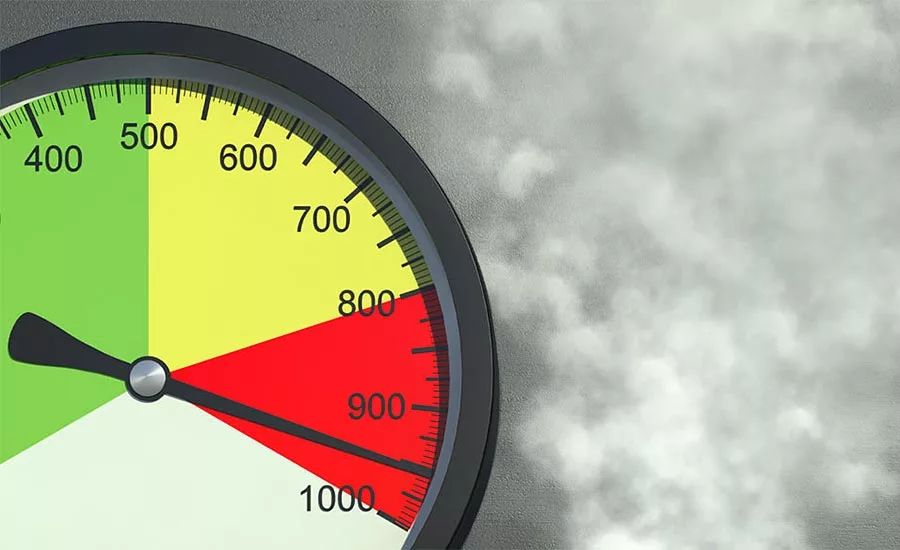
One early evening, I had a call from a customer with a hot water boiler. “Our boiler is making really odd noises, can you stop by to have a look?” Upon arrival, I saw the family was seated around the dining room table enjoying dinner. The dining room sat directly above the boiler. The boiler was indeed sounding a bit odd. Off to the basement. When I spied the temperature/altitude gauge, I almost had a heart attack! The altitude/pressure needle was pinned to maximum pressure, and water temperature was well above 260° F!
I immediately turned off the stuck-open gas valve and, thinking all was well, started watching the pressure gauge because I knew a loss of pressure below whatever the flash-point was, would result in an explosion. Why the 30-pound relief valve had not opened left me to worry it might pop open at any second, and that too would cause an explosion. Water expands when heated and contracts when cooled. To my dismay, the pressure soon began falling. It was important to maintain pressure while the boiler’s water remained superheated (above 212°), so I added water as needed manually to maintain pressure. The gas valve and relief valve were replaced and all safeties checked.
Train thoughtfully
Do you test relief valves for your customers’ water heaters and boilers on an annual basis? Do they have drip-legs? If not, adding one protects both you and your customers in the event someone is nearby when a relief valve opens. I learned that lesson way back in 1979 when a newly installed boiler malfunctioned on start-up, and my leg was right beside the relief valve. There was a drug store on the corner, and I asked the clerk what they had for burns. What kind of burn, she asked? I pulled up my pant leg and said — this kind. She about fainted. Salve applied, I returned to finish the installation because that’s what you do when you’re a one-person shop just getting started on your own.
Know when to say “Uncle.” After going out on my own in 1979, I had a call from a large chemical company owner who had heard from a friend I was now on my own. They became a huge customer that generated enough work for me to hire several employees. In those days, I wasn’t afraid to tackle most any type of mechanical work. Lots of piping to be done in chemical factories, but the day the owner came to me to ask if I would take on servicing the huge commercial multi-million Btu boilers, I declined. They definitely were not in my wheelhouse! Not long afterward, I read an accident account where a service technician had been pancaked when a delayed ignition blew off the end plate on a similar sized steam boiler.
Training, training, training is an ongoing requirement in the mechanical trades. In later years, with multiple employees in my shop, we did service large chillers and boilers, but those who did, had the training to properly service the equipment.
Looking for a reprint of this article?
From high-res PDFs to custom plaques, order your copy today!


