
Dave Yates: Vented or vent-free gas logs and heaters
Ensure your customers are aware of the advantages and disadvantages.
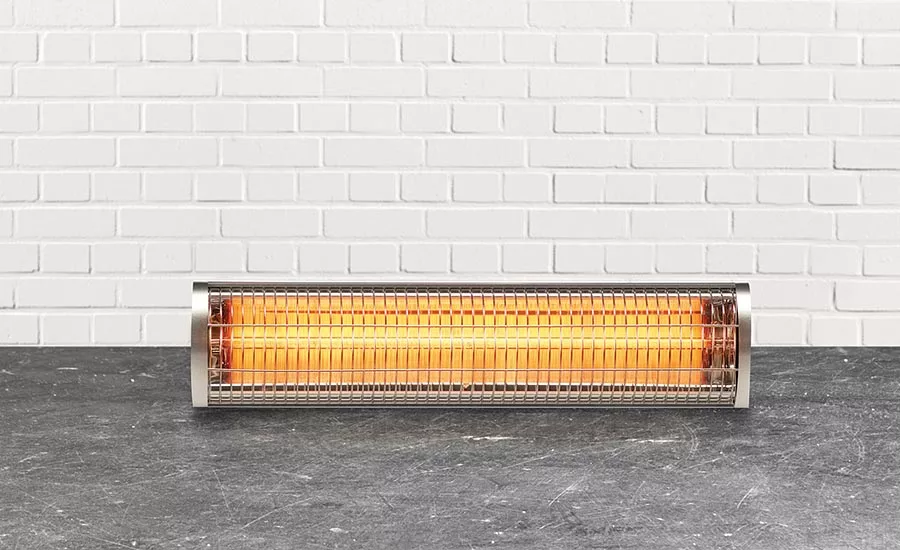
Remember the wall-vented, gas-fired space heaters with standing pilots? It sure was fun trying to relight those pilots through the peephole on windy days — not.
I had one customer who heated their entire home with gas-fired heaters that resembled window air conditioners. They were as old as dirt and suffered constant breakdowns. One bitter-cold winter, I talked them into replacing several instead of repairing, and ordered four new units. Meanwhile, they froze to death while waiting. I got a call from the distributor that the units had arrived, called my customer and they were jumping for joy, I headed to the distributor only to find they had been sold to another mechanical contractor just minutes before I arrived! To say my customer was madder than a wet hen would not do his rage justice. I had to reorder and installed them several weeks later.
Then there were the vented and vent-free gas logs and wall heaters. Customers wanted vent-free heaters for bedrooms that often exceeded the maximum 10,000 Btu/h limitations. We would refuse, which sometimes led to losing the customer, and would find out at a later date that someone had agreed to do the installation. One was a drafty old row-home apartment where the natural gas furnace ductwork was incredibly horrible, which was why the front bedroom — the farthest from the furnace — was being supplied with a 4-inch dryer vent hose off of severely compromised undersized ductwork that never heated properly. The landlord never would agree to have the ductwork properly sized/installed. A 30,000-Btu/h vent-free wall heater had been installed instead. After advising the tenant on the dangers, I walked.
What’s that smell?
Upon entering a home equipped with a vent-free heater that was turned on, I could immediately tell from the smell. Natural gas and propane are made up of carbon and hydrogen molecules. In their pure form, that combustion would produce CO2 and water vapor. Both of these are odorless.
If the combustion is a bit off, the CO will be produced and that, too, is odorless. Look for soot on the burners or along the pathway of heat rising from the flames. Soot is a dead giveaway that the combustion is in need of attention. So why do some folks find the odors generated from vent-free fireplace logs and/or wall heaters objectionable? Sulfur dioxide results from burning the methyl mercaptan odorant added to natural gas so we can all detect a gas leak — even a minute leak that doesn’t support combustion. I know this why? Because as a first-year apprentice, the journeyman plumber I worked with would leak test with a lit match! A tiny leak would give off a tiny poof, but not continue to burn. That method worked with pilot tubes, too.
The other issues that can contribute to odors from vent-free appliances have to do with the fact that natural gas and propane are never pure and contain contaminates that contribute to odors. Then, the normal suspects: Contaminates inside the home being transported on combustion air also contribute to odors when burned. Long story short: You should always counsel your clients about the odor issues so you don’t end up holding the bag when they demand you “fix this for free.”
Get it in writing
Folks with asthma and other respiratory diseases often find vent-free gas appliances to be an irritant that aggravates their condition. Other than a good cleaning, there’s nothing you can do to eliminate the sulphur dioxide odor. Airborne contaminates in the home will generate aldehydes when burned, which are also an irritant to many folks and can be smelled. So how do you consult with your clients who want a vent-free gas appliance? First, make sure it is in writing with your cautions spelled out along with a place for them to date and sign the document. Second, if they still want to move forward and, later on try to hang the issues around your neck, you’re covered and can produce a copy of the original signed document where they chose to ignore your warnings. Never, ever give anyone the original signed document!
Rain, rain go away
Ever see it rain in a home? I have. If I had a thousand dollars for every homeowner who wanted to install a vent-free gas heater, or log set, in a sunroom with three walls of glass along with a glass ceiling, I’d be living on a private island in the Caribbean! Those who demanded I do so, in spite of all my warnings, soon turned them off and had a vented gas heater installed. For every 100,000 Btu/h burned, you generate about 1 gallon of moisture.
Combine that with glass that’s already cold enough to be below the dew point, and you’ll create a tropical rain forest! Whispers about mold raise their ugly head. Got insurance?
Then we get the owner argument about installing vented gas logs. What do you mean you have to add a damper clip to keep the damper partially open? I don’t want that. Heated room air will be constantly drawn up the chimney. The whole reason why we purchased this log set was to enable us to lower the heating system thermostat to save energy, but now you’re deliberately compromising that by blocking open the fireplace damper. If they would only read the fine print before pulling the trigger! But, here’s the deal. Vented gas log sets and heaters produce carbon monoxide and must be vented for your safety. Sign my worksheet that spells out I have installed the clip(s) to keep the damper open, as per the instructions. If you chose to alter the installation after I leave, that’s on you.
Make sure the owner(s) signed off on the location of the heater and fully understand there will be a wall penetration or flue pipe connected to their chimney before proceeding. Even then, you may encounter an odd duck that changes their mind. I recall one where they wanted a vent-free gas heater in their basement den. Humidity levels were already in excess of 50%, so we talked through the moisture-generation issues, and they opted for a vented gas heater. The location was hammered down, and we went over the flue and gas piping that would be in the unfinished side of the basement. We used B-vent piping to avoid any possible flue-gas condensation. In spite of having gone over the flue piping in great detail, the wife hated its look and demanded we do something different, which was not possible. The chimney was only a few feet away, so it’s not like we had a long run. The only out for us was a discount on the work. Who knows, that may have been her angle the whole time.
I’m happy to say that almost every vent-free and vented gas appliance installation went off without a hitch because we took a few minutes extra to explain the plus and minus of each type of installation. Sure beats creating ticked off customers!
Looking for a reprint of this article?
From high-res PDFs to custom plaques, order your copy today!


