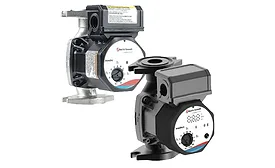
The compliance date may be in 2028, but the transition is already creating an opportunity to think differently about circulator selection. Contractors and distributors who use the time now to strengthen their system-level knowledge will be better prepared not only to meet the new requirements, but also to help customers make more informed decisions about how their hydronic systems perform.
The 2027 IAPMO Uniform Codes are less a refresh than a preview of the next decade of our work — and the window to shape the 2030 editions closes January 8, 2027.
In June 2026, the International Association of Plumbing and Mechanical Officials (IAPMO) published the 2027 editions of the Uniform Plumbing Code (UPC) and Uniform Mechanical Code (UMC) in hardcopy and electronic formats, closing out the 2027 three-year consensus development process accredited by the American National Standards Institute (ANSI).
The lead-free transition is entering its next phase, and engineered polymers are helping plumbing manufacturers and contractors balance long-term performance, manufacturing efficiency and sustainability in demanding drinking water applications.
Contractors who continue to grow will be the ones who stay informed, embrace training, and prepare to move in the direction that the industry is heading.
Although lower flow rates and higher energy factors remain central, the bills pending in Arizona, Illinois, Massachusetts, Pennsylvania and Virginia reveal a more profound structural shift.
In 2016, Natural Resources Canada ("NRCan") released Amendment 18 to the Energy Efficiency Regulations, enhancing energy efficiency and water conservation. It introduces new product categories, updates existing requirements, and allows automatic adoption of future U.S. Department of Energy updates.
Building codes are becoming stricter, carbon targets are becoming law, and there’s more funding available for compliance. For those in plumbing and mechanical trades, system design now involves meeting emissions goals, leveraging incentives, and navigating changing regulations.
Throughout this period, global governments have been notably active on issues related to chemicals, household equipment, HVAC equipment, mechanical systems, plumbing products, protective equipment, and water heating appliances. I have curated the policy changes to save you time and keep you informed and ahead of the curve.