Guard on Compliance | Misty Guard
Revisiting “forever chemicals”: EPA updates TSCA PFAS reporting rules
Proposed adjustments could ease reporting requirements while maintaining oversight of high-risk substances.
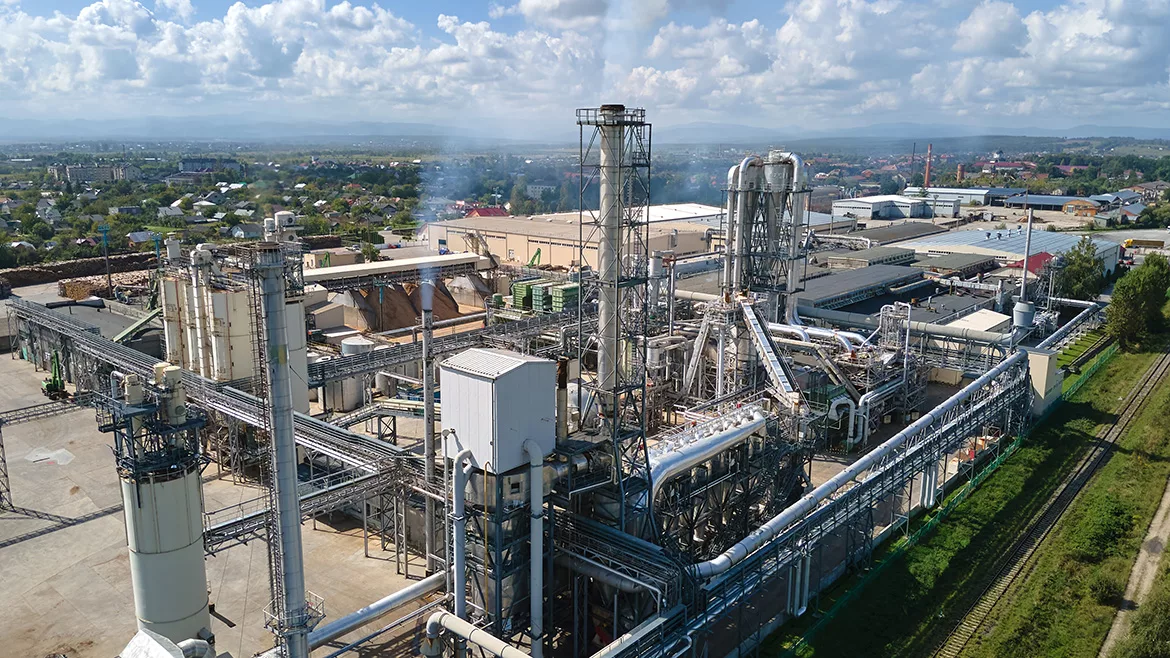
As EPA proposes exemptions and thresholds, companies should review strategies to ensure regulatory compliance.
The United States (U.S.) Environmental Protection Agency (EPA) announced proposed changes to the Perfluoroalkyl and Polyfluoroalkyl Substances (PFAS) data reporting requirements under the Toxic Substances Control Act (TSCA). The proposed rule includes exemptions for imported articles and for substances present in de minimis concentrations, and is a reassessment of the regulatory burden established by the October 2023 final rule. The proposed changes have received varied responses from industry, advocates and the public. Given the wide-ranging impact and potential costs, organizations should closely monitor this rule and adapt their strategies as needed.
For a refresher on per- and polyfluoroalkyl substances, known as PFAS and "Forever Chemicals," I invite you to review my previous columns, PFAS: A Growing Concern, Forever Chemicals in the News, Understanding United States (U.S.) State-Level PFAS Legislation, and PFAS In the EU: A Look At the EU's Transparent Regulatory Process. For those seeking clarity, call us at Regulosity. Our team specializes in detailed and personalized assessments to help you navigate and engage with the complexities of the regulatory framework.
The road to reporting
The legal authority for this data collection was established by the National Defense Authorization Act (NDAA) for Fiscal Year 2020, which incorporated a new mandate, Section 8(a)(7), into the Toxic Substances Control Act (TSCA). This statute directs U.S. EPA to gather retrospective data from any entity that manufactured or imported PFAS chemicals at any point since 2011. The scope of the required reporting is comprehensive, encompassing specific details such as molecular identities, production amounts, disposal practices, and byproducts, as well as any available data regarding worker exposure and environmental or health impacts.
U.S. EPA initiated the regulatory process in June 2021 and codified the requirements in a final rule released on October 11, 2023. This regulation applies to the "lookback period" of 2011 through 2022, obligating any entity, including manufacturers, to submit data for any PFAS produced or imported during that decade.
Technical difficulties forced U.S. EPA to change the original compliance schedule. While U.S. EPA originally intended for the submission window to close in May 2025, issues regarding the readiness of the Central Data Exchange (CDX) reporting software and associated IT infrastructure resulted in delays. To ensure the electronic reporting system functions correctly, U.S. EPA has postponed the timeline again, with the data submission period now scheduled to open on April 13, 2026.
A regulatory re-think
Prompted by Executive Order 14219, which instructs federal agencies to evaluate existing regulations for consistency with economic and deregulatory goals, U.S. EPA reviewed the PFAS reporting mandates previously finalized under TSCA section 8(a)(7). U.S. EPA determined that revisions were required to satisfy TSCA section 8(a)(5), a provision that compels the EPA to a) lower compliance costs for small businesses, b) prevent the collection of duplicative or unneeded data, and c) ensure requests are directed only at entities likely to possess the necessary information. In its reassessment, U.S. EPA conceded that the compliance load of the October 2023 final rule was likely excessive compared to the actual value of the data it would yield. Consequently, the proposed changes introduce specific exemptions modeled after those in the Chemical Data Reporting (CDR) framework.
Key proposed exemptions
The most impactful changes target entities least likely to possess the requisite information for the retrospective lookback period.
Imported articles exemption
U.S. EPA intends to exclude PFAS contained within imported articles from the reporting requirements. This change rests on two main arguments. First, U.S. EPA acknowledges that importers are unlikely to possess data regarding PFAS in articles for the lookback period, as regulations generally did not mandate disclosure of these substances in articles during that timeframe. Second, U.S. EPA revised its legal interpretation of the NDAA and now believes that the statute's directive to collect data from manufacturers of PFAS chemicals does not legally extend to importers of articles that merely contain PFAS.
Technical difficulties forced U.S. EPA to change the original compliance schedule. While U.S. EPA originally intended for the submission window to close in May 2025, issues regarding the readiness of the Central Data Exchange (CDX) reporting software and associated IT infrastructure resulted in delays.
De minimis concentration
To align with historical recordkeeping realities, U.S. EPA proposed a de minimis threshold that waives reporting for mixtures or articles containing PFAS at concentrations lower than 0.1%. This specific percentage was selected because manufacturers were generally not required to track or report chemicals falling below this level under domestic or international regulations during the lookback period. Consequently, requiring data on such low concentrations would likely yield little information, as the data is not reasonably available.
Research & development
The proposed rule includes an exemption for PFAS manufactured or imported strictly for research and development (R&D) purposes in small quantities. This exclusion applies regardless of the specific production volume, provided the amount does not exceed what is reasonably required for the research activity. U.S. EPA determined that collecting data on these R&D substances would offer minimal value regarding commercial exposure risks and noted that this approach creates consistency with exemptions found in other TSCA regulations.
Coincidentally produced substances
U.S. EPA proposes to exclude "coincidentally produced substances" from the reporting mandate. This category encompasses PFAS generated unintentionally as impurities, non-isolated intermediates, or byproducts resulting from the disposal or use of other mixtures. These exemptions are designed to align with the conditions outlined in 40 CFR 720.30(h), covering substances that are not intended for distribution as standalone chemicals and lack a commercial function distinct from the material in which they are found. However, this exemption is not absolute; it's worth noting that U.S. EPA is not proposing to exempt other types of manufacturing activities. U.S. EPA explicitly retains reporting requirements for byproducts that are generated and subsequently utilized for specific commercial applications, such as fuel combustion or soil enrichment.
Looking for a reprint of this article?
From high-res PDFs to custom plaques, order your copy today!