In a here-we-go-again move, we must now transition from HFC to A2L mildly flammable refrigerants. The good news is the operating pressures are virtually the same and this time, the refrigerant oil is the same.
How an innovative HVAC system developed for the Department of Defense is helping to preserve 700-year-old artwork.
The Timken Museum of Art is proving that world-class conservation and sustainability can go hand-in-hand. By adopting Conservant Systems’ High Efficiency Dehumidification System (HEDS), the museum has slashed energy use by up to 79% and reduced fossil fuel consumption by more than 90%.
A standing building isn’t enough. For mission-critical facilities, seismic resilience means keeping essential systems running after an earthquake. From BIM-driven coordination to cable-based bracing innovations, the industry is shifting from survival to continuity.
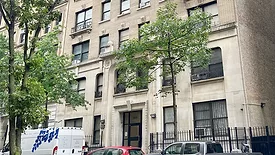
Upon completion in 2026, the project will create the first fully electrified SRO supportive housing property in New York City.
Goddard Riverside, Rockabill Consulting, the archetectural team of IMC Architecture and Magnusson Architecture and Planning and Notias Construction are working together on this project.
Taco was involved in the development of this software.
Taco will remain committed to investing in the BEST software to ensure that it continues to align with industry advancements and sustainability objectives.
CEO Matt Baude and CFO Angelia Ryan to continue leading Airo and remain significant shareholders in the company.
This new partnership aims to enable increased investment in Airo’s customer offering, technology, employee development programs, geographic expansion in the Southeast and project diversification initiatives.
One concept that’s getting increasing attention among HVAC engineers is “resilient design.” It refers to approaches that - ideally - allow systems to remain operational under very abnormal conditions, or minimize effects that could cause major damage to systems when and if they are otherwise rendered inoperative.