
search
cart
facebook instagram twitter linkedin youtube
  • Sign In
  • Create Account
  • Sign Out
  • My Account
  • NEWS
  • PRODUCTS
    • FEATURED PRODUCTS
  • CONTRACTORS
    • BATH & KITCHEN PRO
    • BUSINESS MANAGEMENT
    • HIGH EFFICIENCY HOMES
    • TECHNOLOGY
    • WATER TREATMENT
    • PMC COLUMNS
      • Dave Yates: Contractor’s Corner
      • John Siegenthaler: Hydronics Workshop
      • Kenny Chapman: The Blue Collar Coach
      • Matt Michel: Service Plumbing Pros
      • Scott Secor: Heating Perceptions
  • ENGINEERS
    • CONTINUING EDUCATION
    • DECARBONIZATION | ELECTRIFICATION
    • FIRE PROTECTION
    • GEOTHERMAL | SOLAR THERMAL
    • PIPING | PLUMBING | PVF
    • PME COLUMNS
      • Christoph Lohr: Strategic Plumbing Insights
      • David Dexter: Plumbing Talking Points
      • James Dipping: Engineer Viewpoints
      • John Seigenthaler: Renewable Heating Design
      • Lowell Manalo: Plumbing Essentials
      • Misty Guard: Guard on Compliance
  • RADIANT & HYDRONICS
    • RADIANT COMFORT REPORT
    • THE GLITCH & THE FIX
  • INSIGHTS
    • CODES
    • GREEN PLUMBING & MECHANICAL
    • PROJECT PROFILES
    • COLUMNS
      • Codes Corner
      • Natalie Forster: Editorial Opinion
      • Guest Editorial
  • MEDIA
    • EBOOKS
    • PODCASTS
    • VIDEOS
    • WEBINARS
  • RESOURCES
    • INDUSTRY CALENDAR
    • DIRECTORIES
    • PM BOOKSTORE
    • CE CENTER
    • MARKET RESEARCH
    • CLASSIFIEDS
  • EMAGAZINE
    • EMAGAZINE
    • ARCHIVE ISSUES
    • CONTACT
    • ADVERTISE
    • PME EMAGAZINE ARCHIVES
  • SIGN UP!
Plumbing News

Letters to the Editor—April 2014

Read letters to the editor.
April 22, 2014
February 2014
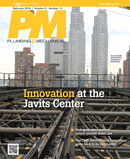
PM’s February 2014 cover

An unattainable rule

I applaud Peter Stafford’s efforts to raise industry awareness of the potential dangers of respirable crystalline silica and the Occupational Safety and Health Administration’s proposal to dramatically lower silica exposure levels (“Construction health hazard: silica dust,” February 2014 Plumbing & Mechanical). Unmentioned, however, are the costs and technical obstacles presented by the new standard in the efforts to reduce the “nearly 700 workers per year from deaths related to silica exposure on the job.”

As chair of the American Foundry Society’s Government Affairs Committee, I have been involved with submitting comprehensive comments to OSHA on its proposal to revise the current standard — one of the most comprehensive rulemakings the agency has ever undertaken with significant economic consequences to the foundry and construction industries.

In its comments, AFS urged the agency to withdraw its proposal on the grounds that OSHA has failed to establish that there is a significant risk at exposure levels below the current permissible level (PEL). In fact, data from the national Centers for Disease Control and Prevention shows a sharp decline in the incidences of silicosis in recent decades.

More importantly, the proposed rule to cut the PEL in half is not technically or economically feasible. Many commercial labs can’t accurately and consistently measure silica samples at the current PEL, let alone the proposed level. OSHA seems to acknowledge this problem by providing commercial labs two years in which to improve the quality of their silica analysis, yet would still hold employers accountable for complying with the rule during that same two-year period.

As for economic feasibility, OSHA estimated the rule will cost the foundry industry approximately $43 million annually to implement. This number is grossly understated. Our analysis shows it will cost $2.2 billion a year, or the equivalent to 10% of the foundry industry’s revenue and 276% of its profits.

The financial impact would disproportionately affect smaller foundries and drive thousands of jobs overseas at a time when national unemployment levels are still unacceptably high.

Rather than impose an unattainable, job-killing rule from Washington, it is my opinion OSHA needs to work with the industry to craft new regulations that are pragmatic, workable and actually improve workers’ health and well-being.

Bradford Muller
Charlotte Pipe and Foundry
Charlotte, N.C.
 

Water lessons

Good article on clean water in the February issue (“Clean water is not a luxury,” February 2014 Plumbing & Mechanical). I love the shout out that plumbers protect the health, safety and welfare of our nation!

I recently spoke to my daughter’s second-grade class about how lucky we are in this country to have clean drinking water, indoor showers, etc.; how many other parts of the world aren’t as lucky as us; and that we have to credit plumbers as having brought all of this to us and for keeping us safe.

It sure was funny to hear where some of them think our water comes from!

Julie Wieman
MacGregor Plumbing, Heating & Air 
Harbor Springs, Mich.


HELPFUL LINKS:

  • Contact Us
  • Follow PM on Twitter!
  • Find PM on Facebook!
  • Join PM on LinkedIn! 
KEYWORDS: Charlotte Pipe

Share This Story

Looking for a reprint of this article?
From high-res PDFs to custom plaques, order your copy today!

Recommended Content

JOIN TODAY
to unlock your recommendations.

Already have an account? Sign In

  • 2025 Next Gen ALL-STARS hero 1440

    2025 Next Gen All Stars: Top 20 Under 40 Plumbing Professionals

    This year’s group of NextGen All-Stars is full of young...
    Plumbing & Mechanical Contractor
    By: Kristen R. Bayles
  • Worker using the Milwaukee Tool SWITCH PACK drain cleaner

    Pipeline profits: Drain cleaning, pipe inspection create opportunities

    Drain cleaning and inspection services offer lucrative...
    Green Plumbing and Mechanical
    By: Nicole Krawcke
  • Uponor employee, Arturo Moreno

    The reinvestment in American manufacturing and training

    Plumbing & Mechanical Chief Editor Nicole Krawcke and...
    Plumbing News
    By: Nicole Krawcke and Natalie Forster
Manage My Account
  • eNewsletters
  • Online Registration
  • Subscription Customer Service
  • eMagazine
  • Manage My Preferences

More Videos

Popular Stories

Hot water pipes

Campus shutdown at Oakland University exposes hidden risks of aging hot-water infrastructure

Floor heating manifold cabinet with flowmeter and PEX pipe.

Elegance extended: How to use the homerun system of connecting heat emitters

Industrial pressure gauge on a tank.

From cutting edge to classic: How to modernize outdated pneumatic control systems

Poll

Will business be up or down in 2025?

Do you anticipate business in 2025 to be up or down in comparison to 2024?
View Results Poll Archive

Products

The Water Came To A Stop

The Water Came To A Stop

See More Products
eBook | 2025 Radiant & Hydronics All Stars

Related Articles

  • Letters to the Editor — July 2014

    See More
  • Letters to the Editor — October 2014

    See More
  • Letters to the Editor — April 2017

    See More

Related Products

See More Products
  • Significant Changes to the International Building Code 2015 Edition

  • Greening Steam: How to Bring 19th-Century Heating Systems into the 21st Century (and save lots of green!)

  • Classic Hydronics - How To Get The Most From Those Older Hot-Water Heating Systems

See More Products
×

Keep your content unclogged with our newsletters!

Stay in the know on the latest plumbing & piping industry trends.

JOIN TODAY!
  • RESOURCES
    • Advertise
    • Contact Us
    • Directories
    • Store
    • Want More
    • Supply House Times
  • SIGN UP TODAY
    • Create Account
    • eMagazine
    • eNewsletter
    • Customer Service
    • Manage Preferences
  • SERVICES
    • Marketing Services
    • Reprints
    • Market Research
    • List Rental
    • Survey/Respondent Access
  • STAY CONNECTED
    • LinkedIn
    • Facebook
    • Instagram
    • YouTube
    • X (Twitter)
  • PRIVACY
    • PRIVACY POLICY
    • TERMS & CONDITIONS
    • DO NOT SELL MY PERSONAL INFORMATION
    • PRIVACY REQUEST
    • ACCESSIBILITY

Copyright ©2025. All Rights Reserved BNP Media.

Design, CMS, Hosting & Web Development :: ePublishing