search
cart
facebook instagram twitter linkedin youtube
  • Sign In
  • Join Today
  • Sign Out
  • My Account
  • NEWS
  • PRODUCTS
    • FEATURED PRODUCTS
  • CONTRACTORS
    • BATH & KITCHEN PRO
    • BUSINESS MANAGEMENT
    • HIGH EFFICIENCY HOMES
    • TECHNOLOGY
    • WATER TREATMENT
    • PMC COLUMNS
      • John Siegenthaler: Hydronics Workshop
      • Kenny Chapman: The Blue Collar Coach
  • ENGINEERS
    • CONTINUING EDUCATION
    • DECARBONIZATION | ELECTRIFICATION
    • FIRE PROTECTION
    • GEOTHERMAL | SOLAR THERMAL
    • PIPING | PLUMBING | PVF
    • PME COLUMNS
      • John Seigenthaler: Renewable Heating Design
      • Misty Guard: Guard on Compliance
  • RADIANT & HYDRONICS
    • RADIANT COMFORT REPORT
    • THE GLITCH & THE FIX
  • INSIGHTS
    • CODES
    • GREEN PLUMBING & MECHANICAL
    • PROJECT PROFILES
    • COLUMNS
      • Codes Corner
      • Editorial Opinion
      • Guest Editorial
    • SPONSOR INSIGHTS
  • MEDIA
    • PODCASTS
    • PM After Dark
    • VIDEOS
    • EBOOKS
    • WEBINARS
  • RESOURCES
    • BIG BOOK DIRECTORY
    • REP LOCATOR
    • INDUSTRY CALENDAR
    • Letters to the Editor
    • PM BOOKSTORE
    • CE CENTER
    • MARKET RESEARCH
    • CLASSIFIEDS
  • EMAGAZINE
    • EMAGAZINE
    • ARCHIVE ISSUES
    • CONTACT
    • ADVERTISE
  • JOIN
Plumbing & Mechanical Engineer Radiant & HydronicsJohn Siegenthaler: Hydronics WorkshopJohn Seigenthaler: Renewable Heating Design

Why Hands-On Training Matters for the Future of Hydronics

How an industry/academic partnership benefits all involved.
By John Siegenthaler, P.E.
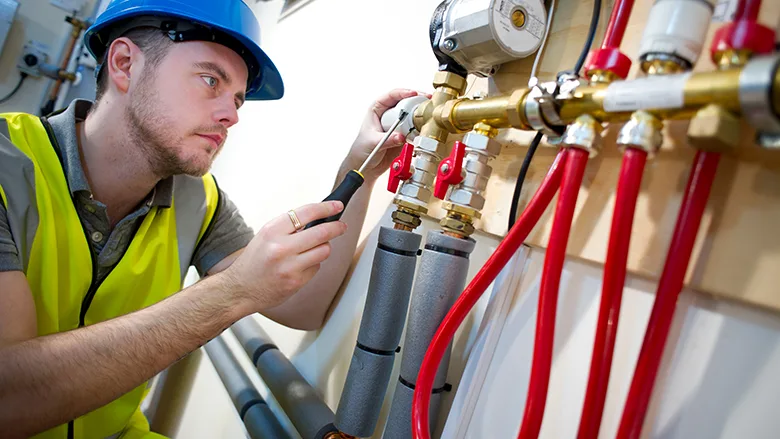
Engineer installing underfloor heating system.
Image courtesy of sturti / E+ / Getty Images.
November 20, 2026

When I went to college to study mechanical engineering, most of the learning was theory presented in a classroom. There were laboratory sessions associated with some courses, but the experiments I participated in usually involved step-by-step procedures designed for undergraduate courses. They typically yielded predictable results that backed up classroom theory for courses dealing with heat transfer and fluid mechanics. 

While this remains typical in undergraduate engineering programs, it’s very different from the reality faced by professionals working to develop products or systems for the HVAC industry. In that setting, engineers and technicians assemble and test devices hoping to achieve anticipated but definitely not assured outcomes. When tests yield results that deviate significantly from those anticipated, engineers and technicians need to determine why, and what changes are necessary to achieve performance goals. All this takes place under the constraints imposed by manufacturing a product that must be code compliant, cost competitive, and reliable under a wide range of operating conditions, and user-friendly to those who eventually install and service it. 

My first job as an engineer quickly taught me there’s a big difference between engineering theory and the reality of product development. Because I worked in a relatively small company, I spent a lot of time building and testing new products. That work involved metal forming, soldering, brazing, structural design, proper roofing details, wiring, instrumentation setup, data collection and analysis of test results. Those results didn’t always align with expectations, but the lessons learned and the subsequent modifications made surely improved each successive generation of products. 

The successes and setbacks experienced in those early years convinced me that hands-on experience was an invaluable part of good engineering practice. It often reveals the “weak points” of a device or procedure that drawings and calculations won’t disclose. It forces designers to go through the installation, troubleshooting and servicing procedures that installers or service technicians must eventually perform in the field. The takeaways from such work are invaluable in developing high quality products, and finding ways to incorporate those products into high performance systems.

Getting Their Hands Dirty

Over the last several years, I’ve had the opportunity of serving as an advisor to the Renewable Energy Technology program at SUNY Morrisville - part of the State University of New York system. Students in this program can pursue a 2-year (Associate in Applied Science) or 4-year (Bachelor of Technology) degree in Renewable Energy Technology. 

The program exposes them to an exceptional combination of theory and “hands-on” activities. They work with a variety of hardware including solar thermal and photovoltaic systems, wind turbines, biomass boilers, and heat pumps. The latter category includes theoretical and hands on experience with air-to-air heat pumps, geothermal heat pumps, and air-to-water heat pumps.  The course work includes design and analysis of heat pump systems, as well as lab and field work involving relevant codes, installation procedures, performance testing, and troubleshooting. It’s a program where students learn skills ranging from computer-based analysis to soldering or pressing copper fittings. From interpreting complex electrical schematics to adding an A2L refrigerant charge to a state-of-the-art heat pump.

An Ideal Venue

The Thermal Lab at SUNY Morrisville’s new Clean Energy Technology (ACET) Center provides a hands-on setting for students to learn about heating systems, hydronics, and building energy technologies. A permanently installed hydronic “backbone” in the lab enables a variety of heat sources to be quickly connected to a range of portable heat emitter subsystems. That backbone can also be configured to include a 400 gallon thermal storage tank. This flexibility allows students to explore a wide range of hydronic system configurations, and measure how they perform.
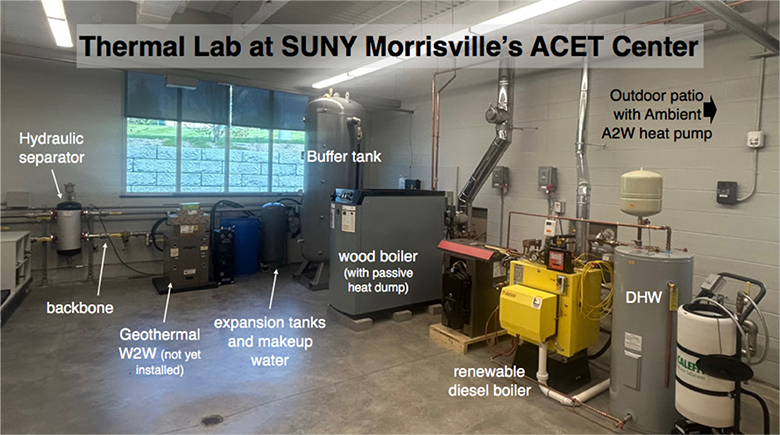
Figure 1: Image courtesy John Siegenthaler

U.S. Boiler/Burnham recently donated an Ambient air-to-water heat pump to the thermal lab enabling learning opportunities for students in courses such as Introduction to Heat Pumps (RENG 240), Clean Heating and Cooling Design (RENG 340), and Heating and Energy Systems (RESC 260). Students installed much of the system, including mounting the outdoor unit on a stand fabricated in-house, completing electrical and piping connections, and commissioning the system. The Ambient heat pump was also featured during tours throughout the year, introducing visitors to air-to-water heat pump technology and Morrisville’s approach to applied learning.
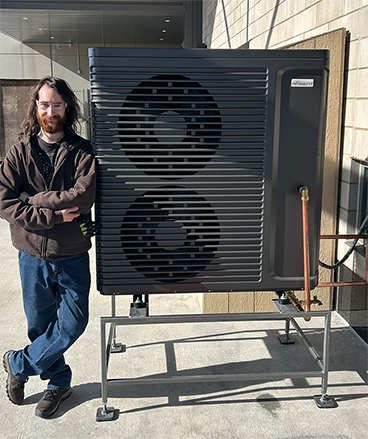

Figure 2: Image courtesy John Siegenthaler

Figure 2 shows the Ambient heat pump installed on the ACET Center’s outdoor patio. It operated during the 2025-2026 winter heating season, delivering heat to a large thermal storage tank that partially heated the lab space. Students interacted with system controls to learn about configuration options and tie classroom concepts to installation and operating experience.


Looking Ahead

For future instruction, the Ambient heat pump will be mounted on a movable base similar to the lab’s other training stations. Students will connect it to the hydronics backbone and a smaller hot-water storage tank as part of a repeatable installation and commissioning exercise. This arrangement will allow successive groups of students to gain practical experience with system connections, setup, and startup, extending the educational value of the donation for years to come.
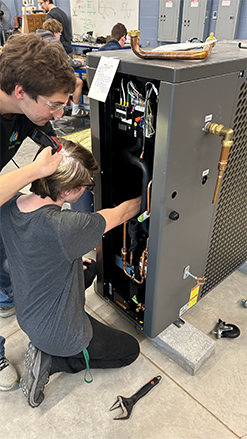
Figure 3 Image courtesy John Siegenthaler

SUNY Morrisville and I appreciate the generosity of US Boiler in making it possible for students to work with state-of-the art heat pump technology. Although relatively new in North America, air-to-water heat pumps have been installed in millions of buildings worldwide. They represent a growing segment of the North American hydronics market. That market will count on designers and technicians who understand modern air-to-water heat pumps and how to incorporate them into high-performance systems. SUNY Morrisville’s Renewable Energy Technology program, with support from US Boiler, is leading the way in providing those professionals.

For more information on the Renewable Energy Technology program at SUNY Morrisville see their website. 

For more information on the Ambient heat pump from US Boiler, see their website.

KEYWORDS: heat pump water heater (HPWH) hydronic heating hydronics training and education

Share This Story

Looking for a reprint of this article?
From high-res PDFs to custom plaques, order your copy today!

John siegenthaler 200x200

John Siegenthaler, P.E., is a consulting engineer and principal of Appropriate Designs in Holland Patent, New York. In partnership with HeatSpring, he has developed several online courses that provide in-depth, design-level training in modern hydronics systems, air-to-water heat pumps and biomass boiler systems. Additional information and resources for hydronic system design are available on Siegenthaler’s website,  www.hydronicpros.com.

Recommended Content

JOIN TODAY
to unlock your recommendations.

Already have an account? Sign In

  • 2025 Next Gen ALL-STARS hero 1440

    2025 Next Gen All Stars: Top 20 Under 40 Plumbing Professionals

    This year’s group of NextGen All-Stars is full of young...
    Plumbing & Mechanical Engineer
    By: Kristen R. Bayles
  • Worker using the Milwaukee Tool SWITCH PACK drain cleaner

    Pipeline profits: Drain cleaning, pipe inspection create opportunities

    Drain cleaning and inspection services offer lucrative...
    Plumbing News
    By: Nicole Krawcke
  • Uponor employee, Arturo Moreno

    The reinvestment in American manufacturing and training

    Plumbing & Mechanical Chief Editor Nicole Krawcke and...
    Plumbing News
    By: Nicole Krawcke and Natalie Forster
Manage My Account
  • Join Plumbing & Mechanical
  • Manage My Preferences
  • Customer Service

More Videos

Sponsored Content

Sponsored Content is a special paid section where industry companies provide high quality, objective, non-commercial content around topics of interest to the Plumbing & Mechanical audience. All Sponsored Content is supplied by the advertising company and any opinions expressed in this article are those of the author and not necessarily reflect the views of Plumbing & Mechanical or its parent company, BNP Media. Interested in participating in our Sponsored Content section? Contact your local rep!

close
  • Industrial cooling tower, pipe system and valves infrastructure on rooftop
    Sponsored byRemarcable

    Why Mechanical Contractors' CFOs See Job Costs Weeks Too Late

  • ClearLOC pipe fittings
    Sponsored byLegend

    How Plumbing Professionals Are Reducing Installation Time Through Smarter Connection Design

  • HyperPure® PE-RT tubing
    Sponsored byLegend

    Why Sustainable Innovation Will Shape the Future of Plastic Pipe

Popular Stories

Hydronic Mechanical Room

Hydronic Heating: Why 20°F Delta T Is Just a Number

Houston Plumber's Work Van - Stolen Tools

Thieves Steal $8,000 in Tools From Houston Plumber’s Work Van

Bell and Gossett Circulator

Moving Beyond Basic Circulator Replacement

Meet PM After Dark - Watch the latest episode

Events

December 2, 2026

Smart Water: What’s Next for Plumbing Contractors

Join us for a panel discussion exploring the growing smart water market, including connected products and systems, installation opportunities, maintenance, and service.

View All Submit An Event

Poll

Choosing a Distributor

What matters most to you when choosing a plumbing distributor?
View Results Poll Archive

Products

The Water Came To A Stop

The Water Came To A Stop

See More Products

Related Articles

  • 01 PM Radiant Comfort Report 2023 Winter Radiant Revolution

    A radiant revolution: Innovations illuminating the future of hydronics

    See More
  • HyperPure® PE-RT tubing

    Why Sustainable Innovation Will Shape the Future of Plastic Pipe

    See More
  • Piping system in the ground.

    Thermal energy networks and the future of radiant

    See More

Related Products

See More Products
  • 51CHeeKvw4L._SX322_BO1,204,203,200_.jpg

    Hydronic Radiant Heating: A Practical Guide for the Nonengineer Installer

  • what hydronics taught holohan.jpg

    What Hydronics Taught Holohan: A Memoir of Life in the Heating Industry

  • The ACCA Job Safety (1).jpg

    The ACCA On-The-Job Safety Handbook (Pack of 5)

See More Products

Events

View AllSubmit An Event
  • September 11, 2025

    Optimized Plumbing Design for the 21st Century: Smarter Systems for Health, Affordability, and Sustainability

    On Demand The session highlights how modernized plumbing design can accelerate hot water delivery, reduce stagnation, and mitigate health risks, while supporting affordability, energy efficiency, and sustainability.  Earn: 0.1 IAPMO CEU; 0.1 ASPE CEU; 0.1 ICC CEU; 1 PDH; 1 AIA LU/HSW
View AllSubmit An Event
×

Stay in the know on the latest plumbing & piping industry trends!

Get tailored content delivered your way.

JOIN TODAY!
  • RESOURCES
    • Advertise
    • Contact Us
    • Directories
    • Store
    • Want More
    • Supply House Times
  • JOIN TODAY
    • Create Account
    • eMagazine
    • Newsletter
    • Customer Service
    • Manage Preferences
  • SERVICES
    • Marketing Services
    • Reprints
    • Market Research
    • List Rental
    • Survey/Respondent Access
  • STAY CONNECTED
    • LinkedIn
    • Facebook
    • Instagram
    • YouTube
    • X (Twitter)
  • PRIVACY
    • PRIVACY POLICY
    • TERMS & CONDITIONS
    • DO NOT SELL MY PERSONAL INFORMATION
    • PRIVACY REQUEST
    • ACCESSIBILITY

Copyright ©2026. All Rights Reserved BNP Media, Inc. and BNP Media II, LLC.

Design, CMS, Hosting & Web Development :: ePublishing