
Getting Valve Selection Right in Commercial Buildings
Experts discuss the common mistakes, key considerations, and emerging trends shaping valve selection for long-term system performance

Proper valve selection has a direct impact on system efficiency, reliability, and long-term operating costs.
While valves are often viewed as commodities, selecting the right valve can have a significant impact on commercial system performance. Whether the project is a hospital, multifamily building, office, or school, valve selection affects system efficiency, maintenance requirements, reliability, and long-term operating costs.
As sustainability goals, labor shortages, and connected building technologies continue to reshape the market, valve selection has become more strategic than ever. Manufacturers say successful valve selection requires looking beyond initial cost and considering how the valve will perform as part of the overall piping system throughout the life of the building.
Avoiding Common Valve Selection Mistakes
Before diving in to how to approach valve selection for success, let’s discuss some of the most common mistakes in selecting valves.
One of the biggest mistakes manufacturers see is focusing solely on upfront cost rather than long-term performance.
“Valves are often oversized or chosen without fully considering the application, which can lead to poor control, overflow, and low Delta T,” said Scott Reed, team lead, product management.
Focusing solely on purchase price often overlooks the factors that have the greatest influence on long-term performance.
“Reliability, corrosion resistance, ease of installation, and service life often have a much greater impact on total cost of ownership,” said Brian Bollenbeck, product manager, GF Building Flow Solutions Americas. “Additionally, selecting the wrong valve or improper system balancing can negatively impact system performance, potentially leading to costly repairs on more expensive equipment and labor-intensive maintenance in the future.”
Reed also noted that many systems still rely on traditional control valves requiring manual balancing instead of pressure-independent solutions that simplify balancing and improve system stability.
“There is also often a lack of built-in measurement, which makes it harder to verify performance or troubleshoot later,” said Reed. “These decisions can drive up energy use, increase maintenance, and create comfort issues that could have been avoided with a more thoughtful, big-picture, system-focused approach.”
Manufacturers also caution against selecting valves based solely on minimum code compliance.
Shashwat Nath, senior product manager at Watts used standards from the American Society of Sanitary Engineering (ASSE) as an example, and said they represent the minimum threshold and should not be the only consideration driving selection decisions.
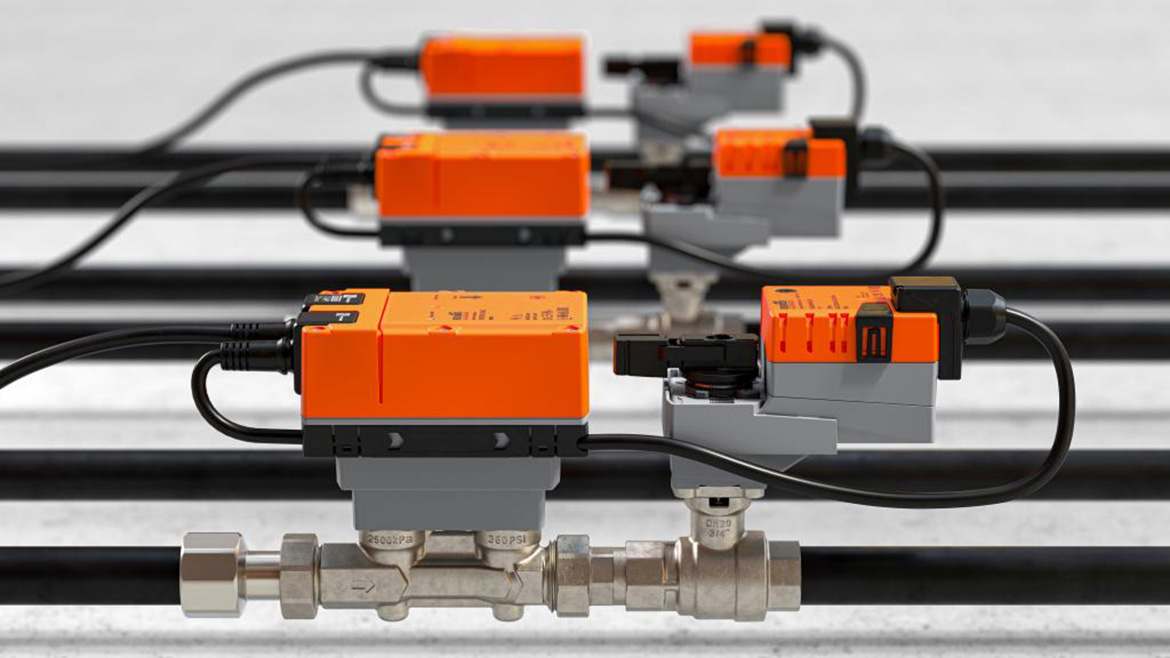
When selecting valves for applications such as schools, hospitals, office buildings, and multifamily projects, engineers, contractors, and distributors should take a broad approach. Photo courtesy of Belimo, click to enlarge.
Another common mistake is treating valves as a standalone product, rather than something that is a part of a larger, broader piping system.
“Thinking beyond the valve itself is key to preventing future challenges by ensuring components work together effectively over the long term,” Nath said.
Bollenbeck added that valve selection should also account for compatibility with the overall piping system, including piping materials, joining methods, operating conditions, and long-term maintenance requirements.
Key Factors in Valve Selection
Avoiding these common mistakes begins with understanding what should drive the selection process. Manufacturers agree that valve selection should balance performance, reliability, energy efficiency, and lifecycle value rather than focusing on a single specification or price point.
“Key considerations include the application type, the need for precise and stable control — especially in critical environments like hospitals — and the impact of valve performance on overall system efficiency, including maintaining proper Delta T,” Reed said. Just as important: measurability and data transparency, “with integrated sensing enabling better commissioning, diagnostics, and ongoing optimization.”
Bollenbeck said lifecycle should be the focus, meaning engineers and contractors should be evaluating factors such as pressure and temperature requirements, flow characteristics, water quality, corrosion resistance, maintenance needs, and overall system longevity.
Nath pointed to three key factors when selecting a valve: ease of installation, ease of repair, and reduction of downtime.
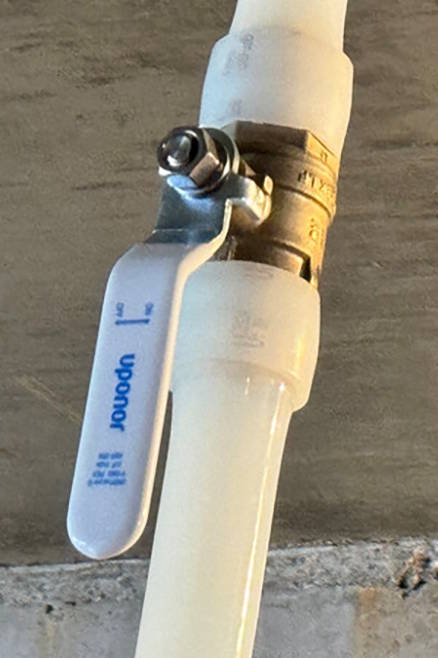
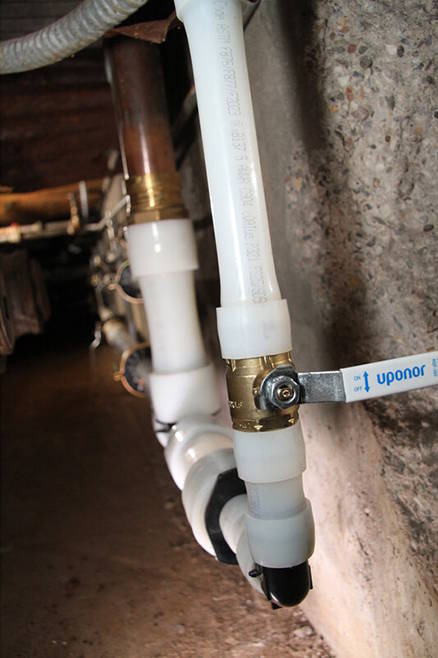
GF is seeing a growing demand for integrated piping and valve systems that help meet performance, efficiency, and sustainability goals while providing reliable operation throughout the life of the building. Photo courtesy of GF Building Flow Solutions Americas, click to enlarge.
“Whether it’s a school, hospital, office building, or multifamily property, maintenance teams need solutions that are easy to work with and keep systems running,” Nath said. “If a valve doesn’t accomplish these three components, we always ask, ‘Do we really need it?’”
Nath cited a Cincinnati Public Schools project where new mixing valves helped maintenance staff more quickly identify crossflow conditions and replace individual components rather than entire valve assemblies, reducing downtime and simplifying repairs.
For critical facilities like healthcare and education, reliability and uptime are essential. Achieving that level of reliability requires viewing valves, fittings, and piping as an integrated system rather than individual components.
“A fully integrated system can also help maximize warranty coverage, shifting more risk to the manufacturer should issues arise in the future,” said Bollenbeck.
Beyond Initial Cost
Beyond application requirements, broader industry trends are also influencing how valves are specified. Manufacturers point to evolving building codes, sustainability initiatives, labor shortages, and connected building technologies as key drivers shaping today's valve decisions.
“Valve selection has a direct impact on system efficiency, reliability, and lifecycle costs,” said Bollenbeck. “Properly sized valves help maintain design flow rates, reduce pressure losses, and support efficient system operation — ultimately lowering energy consumption over time.”
Things like sustainability goals, changing building codes, labor shortages, water efficiency requirements, and connected buildings are pushing valve selection towards those types of valves that deliver great energy efficiency, transparency, and control.
Nath said manufacturers are increasingly designing valves that can adapt as building codes and performance expectations evolve, with greater emphasis on safety, water conservation, and energy efficiency.
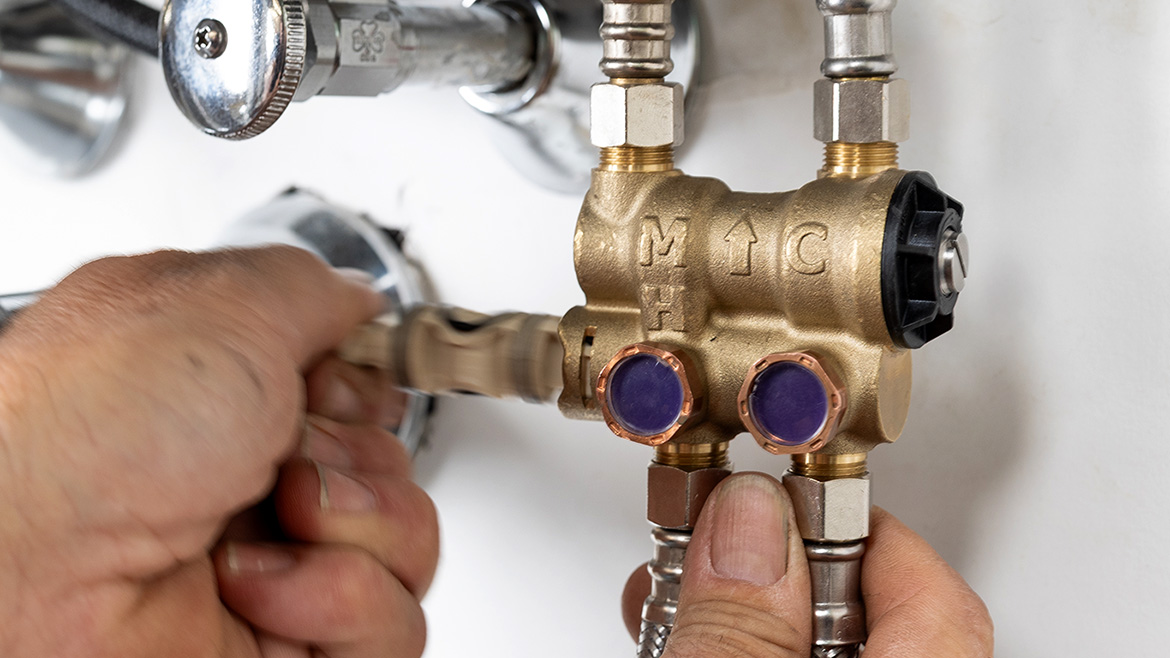
Long term, the right valve results in lower total costs, better efficiency, and a more reliable, longer-lasting system. Photo courtesy of Watts, click to enlarge.
Meeting these evolving expectations requires more than durable hardware. Manufacturers are increasingly incorporating technologies that help improve system visibility, energy performance, and ongoing optimization.
Reed pointed to pressure-independent control valves and intelligent valve technologies as examples of how manufacturers are improving flow control, supporting energy code compliance, and providing building operators with performance data that can be used for commissioning, diagnostics, and continuous optimization. He added that connected technologies and digital commissioning tools are helping improve system integration while supporting sustainability and regulatory goals.
Regardless of the technology being used, manufacturers agree that proper valve selection continues to deliver benefits long after installation.
“Selecting the right valve material and design also minimizes issues such as corrosion, scaling, and wear, reducing maintenance requirements and service interruptions,” said Bollenbeck. “Ultimately, proper valve selection improves long-term performance, extends system life, and lowers total cost of ownership beyond the initial purchase price.”
Looking Ahead
Looking ahead, manufacturers expect valve selection to become increasingly data-driven as connected technologies and intelligent monitoring become more common in commercial buildings. At the same time, labor shortages will continue pushing manufacturers to develop products that are easier to install, commission, and maintain.
While connected technologies will continue to evolve, manufacturers agree one thing is unlikely to change: successful valve selection will continue to prioritize lifecycle performance over initial cost. As building owners place greater emphasis on efficiency, reliability, and sustainability, selecting valves as part of an integrated piping system will become even more critical to long-term building performance.
Looking for a reprint of this article?
From high-res PDFs to custom plaques, order your copy today!


