Funding the Future: Smart Financing Strategies for Plumbing and Mechanical Contractors
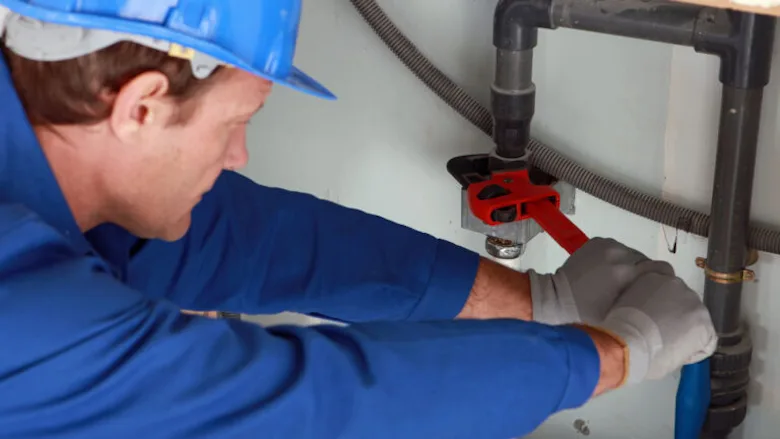
The plumbing and mechanical trades are thriving. Aging infrastructure, new construction demand, and a wave of retiring business owners are creating real growth opportunities for contractors across the country. But growth — and especially ownership transitions — require capital. And for many contractors, navigating the world of business financing feels far less familiar than navigating a complex pipe system.
Whether you're looking to acquire a retiring owner's book of business or simply need working capital to bridge the gap between completing a job and getting paid, understanding your financing options is one of the most important business skills you can develop.
The Succession Planning Challenge
One of the most significant trends shaping the plumbing and mechanical industry right now is ownership transition. A large portion of shop owners are approaching retirement age, and many have built businesses worth acquiring — established customer bases, skilled crews, equipment, and reputation. For the next generation of contractors, this represents a genuine opportunity. But buying a business takes money, and most buyers don't have it sitting in a bank account.
The good news is that financing a business acquisition is entirely possible, and several tools exist specifically for this purpose. SBA 7(a) loans are among the most commonly used vehicles for acquiring a small business. These government-backed loans can cover purchase price, working capital, and even some transition costs, with repayment terms that can stretch up to 10 years for business acquisitions. Because the SBA guarantees a portion of the loan, lenders are often willing to work with buyers who have solid business plans but limited collateral.
Seller financing is another option worth exploring — and one that's increasingly common in trade business transitions. In this arrangement, the seller agrees to accept a portion of the purchase price over time, essentially acting as the lender. This can bridge gaps when bank financing doesn't fully cover the deal and signals the seller's confidence in the business's ongoing success. Many acquisitions are structured with a combination of bank financing, seller financing, and buyer equity, which spreads the risk and makes deals more achievable.
One important note for buyers: lenders will scrutinize a plumbing or mechanical business differently than they would a retail shop. Expect them to look closely at customer concentration (is revenue tied to just a few accounts?), recurring revenue versus one-time project work, and how dependent the business is on the outgoing owner's personal relationships. Coming to the table with clean financial records and a transition plan that addresses these concerns will significantly improve your chances of approval.
Working Capital: The Lifeblood of a Growing Shop
Even without an acquisition on the horizon, cash flow is a constant challenge for plumbing and mechanical contractors. The business model creates a natural tension: you pay for materials and labor upfront, but invoice customers after the work is done — sometimes waiting 30, 60, or even 90 days to get paid. When you're growing and taking on larger commercial jobs, that gap can widen significantly.
A business line of credit is one of the most practical tools available to contractors for managing this cycle. Unlike a term loan, a line of credit lets you draw funds as needed and repay as receivables come in, making it flexible and cost-effective. Lenders typically size lines of credit based on your revenue and receivables, so maintaining strong bookkeeping and accounts receivable management directly impacts how much you can access.
Equipment financing is another strategy worth considering for growth-stage businesses. Rather than depleting working capital to purchase a new service vehicle or specialized equipment, financing those assets allows you to preserve cash for operations while still expanding your capacity. And because equipment serves as its own collateral, these loans are often easier to qualify for than general-purpose business loans.
Finally, don't overlook invoice factoring as a short-term cash flow tool. With factoring, a third-party company purchases your outstanding invoices at a slight discount and gives you immediate cash. It's not right for every situation, but for contractors waiting on slow-paying commercial accounts, it can keep payroll and materials costs covered without taking on traditional debt.
Building a Financing Foundation
Regardless of which tools you use, the foundation is the same: clean financials, a clear picture of your revenue and expenses, and a banking relationship built before you need it. Contractors who treat their financial infrastructure with the same care they give their technical work are the ones who find it easiest to access capital when opportunity — or necessity — comes knocking.
Looking for a reprint of this article?
From high-res PDFs to custom plaques, order your copy today!