HVAC Technician Day: Recognizing the Industry's Everyday Heroes
National HVAC Technician Day, celebrated every year on 6/22, offers an opportunity to recognize the essential role these technicians play in maintaining comfort, safety and business continuity.
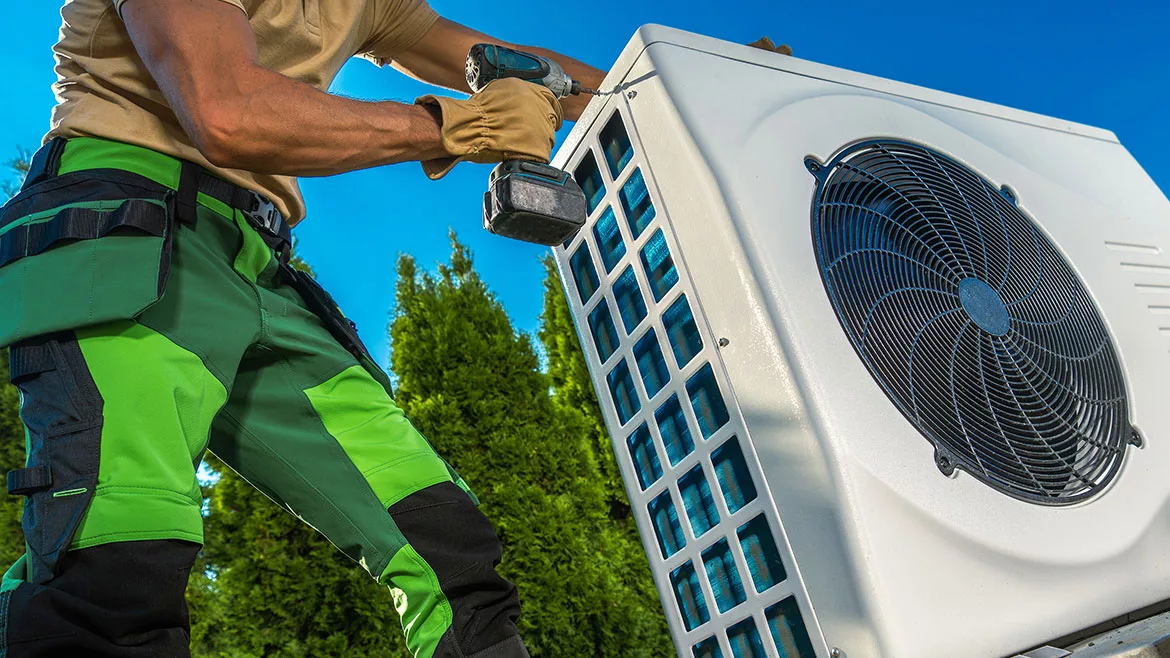
Lead image courtesy of welcomia / iStock / Getty Images Plus
As temperatures climb and cooling systems work overtime, HVAC technicians are entering one of the busiest times of the year. From homes and schools to hospitals, hotels and office buildings, these skilled professionals are responsible for keeping critical systems operating when people need them most.
National HVAC Technician Day, celebrated every year on 6/22, offers an opportunity to recognize the essential role these technicians play in maintaining comfort, safety and business continuity. It also shines a light on the growing challenges facing the profession, including an ongoing skilled labor shortage, increasing system complexity and rising customer demand.
According to Scott Pierson, vice president of HVAC and market strategy at Parts Town, today's technicians are under even more pressure than ever before: "Today's HVAC technicians are navigating a growing number of challenges, especially as we enter the peak cooling months where they're needed more than ever," Pierson said.
Among those challenges, the labor shortage remains one of the most pressing. As experienced technicians retire, the industry is struggling to attract enough new workers to replace them. "The ongoing labor shortage remains a primary challenge with many technicians stretched thin as they handle an influx of service calls without enough support and bandwidth," Pierson explained. "Modern HVAC equipment is also requiring technicians to learn the ins-and-outs of smart technologies and higher efficiency standards, requiring continuous training and upskilling to diagnose and repair properly."
A Growing Workforce Challenge
The skilled labor shortage has become a defining issue for the HVAC industry. Pierson points to a combination of demographic and educational factors driving the problem. "Many technicians are reaching retirement age and there aren't enough new, incoming workers to fill in the gaps," he said. "Instead, more young people are going the traditional route of attending colleges and universities, rather than exploring the vast opportunities of the trades."
The path into the profession can also present barriers. HVAC technicians often invest significant time and money in classroom instruction, certifications and hands-on training before entering the field full time.
At the same time, technological advancements are raising the skill requirements for new entrants.
"HVAC systems have increasingly become more complex and technical, requiring ongoing training on smart technologies and continuously updating standards," Pierson said. "We've seen an added urgency for more skilled tradespeople who understand these complex systems."
The Ripple Effect Across the Industry
The technician shortage impacts far more than service contractors. Building owners, facility managers and customers all feel the effects when qualified technicians are in short supply. According to Parts Town's 2025 Downtime Survey, HVAC systems rank among the most critical pieces of equipment across industries including education, healthcare, hospitality and corporate facilities. More than half of surveyed institutions reported relying on nine different types of HVAC equipment to support daily operations.
"The technician shortage is impacting everyone in the HVAC ecosystem, especially as we approach peak cooling season," Pierson said.
As temperatures rise, service requests increase and demand for OEM parts surges. With fewer technicians available, workloads expand and response times lengthen. "These conditions can cause longer wait times for customers, service challenges for contractors and added strain on skilled technicians who are already squeezed thin," Pierson noted.
Building the Next Generation
Addressing the workforce shortage will require a long-term commitment to recruitment, training and career development. According to Pierson, the most effective workforce strategies focus on making skilled trades careers more visible and accessible.
"The most effective strategies start with investing in training, hands-on experiences and presenting clear career pathways to success that encourage younger workers and career changers to join the trades," he said.
Parts Town has invested in those efforts through partnerships such as Aspire Chicago, a nonprofit organization that helps individuals with disabilities develop career skills. In 2025, the company helped build a training facility for Aspire's Employment Training Program and now hosts quarterly skills programs followed by paid internships.
"Programs like these are critical for establishing entry points into the HVAC industry, helping provide real-life experience and showcasing that there are meaningful and successful career opportunities in the skilled trades," Pierson said.
Keeping Technicians Engaged
Recruitment is only part of the solution. Retaining skilled technicians is equally important. Pierson believes that successful employers create environments where technicians feel valued, supported and able to build long-term careers.
Professional development opportunities, mentorship programs and ongoing technical training can all greatly help technicians continue growing as technologies evolve. For business owners, providing the right tools and resources to your technicians also plays a critical role.
"Partnering with a reliable OEM parts partner that provides proven industry experience, deep product knowledge, responsive customer support and quick access to the right equipment can alleviate high-stress situations and improve both customer and technician satisfaction," Pierson said.
The Human Element
As automation, AI and connected technologies continue to transform the HVAC industry, Pierson believes one thing remains unchanged: the need for skilled people. "HVAC technicians are everyday heroes who bring comfort, relief and safe environments to their communities," he said.
Whether maintaining systems in homes, schools, hospitals, hotels or office buildings, technicians help ensure that critical environments remain operational and safe. When systems fail, their expertise becomes even more valuable. "Skilled technicians are integral to alleviating system issues during downtime where even a brief outage can put critical operations at a standstill," Pierson said.
National HVAC Technician Day serves as a reminder of the vital role these professionals play every day. While the industry continues working to strengthen its workforce pipeline, technicians remain the people who keep buildings running, businesses operating and communities comfortable.
"There is no denying that HVAC work will always require a human touch," Pierson said. "Tradespeople will remain essential to people and communities."
Looking for a reprint of this article?
From high-res PDFs to custom plaques, order your copy today!