How Technology Is Redefining Safety on Today’s Jobsites
This Construction Safety Week, we highlight the importance of technology on today's jobsites.
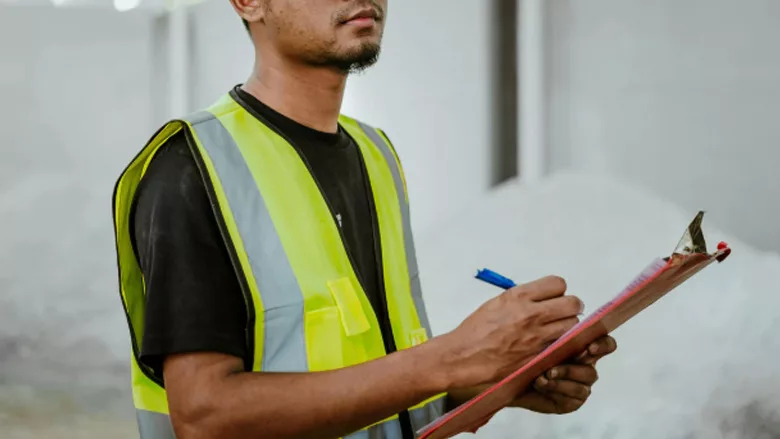
Each year, Construction Safety Week provides an opportunity for contractors and trades industries to reflect on progress, reinforce best practices, and recommit to protecting the people who keep jobsites moving. Today, safety is no longer treated as a separate layer added onto tools and equipment. It has become a core driver of innovation itself.
Across plumbing and mechanical jobsites, safety considerations are shaping how tools are designed, how systems behave, and how professionals expect technology to support them in the field. This shift represents more than incremental improvement. It signals a broader industry evolution where safety and performance are advancing together.
The Industry-Wide Shift Toward Integrated Safety Technologies
Historically, safety innovations often arrived in response to incidents or regulatory change. Guards, protective equipment, and procedural controls were introduced to reduce risk, but they typically operated independently from the tools themselves. Today, safety is no longer separate, it’s built directly into tools and equipment.
Modern safety technology is increasingly integrated directly into tool systems and jobsite workflows. Rather than relying solely on user intervention, tools are being designed to anticipate risk conditions, respond consistently, and help reduce variability in high hazard tasks. For plumbing and mechanical professionals, who regularly work in confined spaces, overhead positions and unpredictable environments, this integration matters.
The result is a new expectation. Tools should not only perform their primary function well, but also actively contribute to a safer, more controlled work experience.
What’s Driving the Acceleration of Safety Innovation
Several forces are converging to push safety driven innovation forward across the trades.
Rising expectations from professionals - Skilled tradespeople increasingly expect tools to work with them, not against them. Consistent behavior, predictable responses, and built-in safeguards are no longer viewed as optional features. They are becoming baseline expectations for professional grade equipment.
Evolving standards and Industry Expectations - Industry organizations and trade groups continue to emphasize jobsite safety, helping shape shared expectations across contractors, organizations, and manufacturers. This trend is pushing leading manufacturers go beyond minimum requirements, treating standards as the starting point for innovation.
Manufacturer Led Leadership & Proactive Innovation- Tool manufacturers play a unique role in shaping jobsite behavior. By embedding safety considerations into design decisions, they can influence how tools are used, how risks are managed, and how productivity and protection coexist. This proactive approach helps shift safety from a reactive mindset to a preventative one.
Together, these drivers are reinforcing the idea that safety is not a constraint on innovation. It is a powerful catalyst for it.
Real-World Benefits for Plumbing and Mechanical Professionals
For plumbing and mechanical contractors, safety driven technology delivers tangible benefits that extend well beyond injury prevention.
Reduced injuries and near misses - Integrated safety systems help minimize exposure to common hazards by promoting more consistent tool behavior and reducing reliance on split second human reaction alone. Even small reductions in near miss incidents can have a meaningful impact over time.
Greater consistency and control - Predictable performance allows professionals to work with greater confidence, particularly in repetitive or high precision applications. When tools respond consistently, users can focus more on the task at hand and less on compensating for variability.
Improved productivity and uptime - Safety and efficiency are often viewed as competing priorities, but integrated safety technology challenges that assumption. When tools help reduce unexpected stoppages, rework, or injuries that lead to downtime, overall jobsite productivity can improve.
Importantly, these benefits support not only individual workers, but also contractors managing crews, schedules, and long term workforce sustainability.
Looking Ahead: Where Safety Innovation Is Headed Next
Looking forward, safety technology will continue to evolve alongside broader advancements in tools, connected systems, and data driven design. Future innovations are likely to place even greater emphasis on anticipation rather than reaction, helping identify potential risks earlier and supporting safer decision making in real time.
Equally important will be collaboration across the industry. Manufacturers, contractors, trade organizations, and educators all have a role to play in ensuring that safety technology is not only advanced, but also understood, trusted, and effectively adopted on jobsites.
A Shared Responsibility
Construction Safety Week serves as an important reminder that progress is rarely the result of a single breakthrough. It is built through continuous improvement, shared responsibility, and a willingness to rethink long-standing assumptions.
By treating safety as a driver of innovation rather than an afterthought, the plumbing and mechanical industries can continue to protect their most valuable asset, the skilled professionals who power every jobsite, while also advancing performance, productivity, and long-term success.
Looking for a reprint of this article?
From high-res PDFs to custom plaques, order your copy today!