After the Strike: Code-Based Inspections for Residential Safety
Lightning events blur boundaries between systems, and the safest path back to service is to follow the model codes.
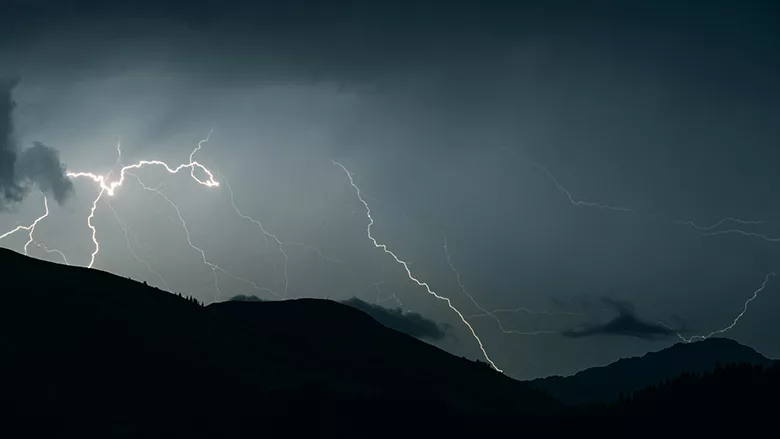
Let’s set the stage: A summer thunderstorm rolls through, and lightning strikes a residence, arcing through framing, grounding to metal systems and possibly traveling along gas piping and bonded equipment. The occupants are safe, but the property isn’t – electrical equipment trips, a faint odor of gas lingers in the basement, the pool pump won’t start and the irrigation and water reuse piping shows signs of scorching.
While structural and electrical inspections often take center stage, the plumbing, mechanical, fuel gas, swimming pools and spas, private sewage disposal and water reuse systems are equally critical and frequently underassessed. These systems can sustain hidden damage that poses serious safety and health risks if not properly inspected, tested and documented.
This article focuses on those components, using the International Residential Code (IRC), International Swimming Pool and Spa Code (ISPSC) and International Private Sewage Disposal Code (IPSDC) as a roadmap for what to check, how to test and how to document the work.
Administrative Footing: Who Leads and What Must Be Inspected
Across the International Codes (I-Codes), Chapter 1 vests the code official with authority to determine compliance, require technical reports and order reinspection after hazardous events.
For private sewage disposal systems, the IPSDC Chapter 12 requires inspection after construction, prohibits backfilling prior to approval and allows “other inspections deemed necessary,” including additions, alterations, defects, language that supports post-strike verification and reinspection orders.
Critical Systems and Code Provisions (Based on I-Codes)
Electrical Systems (IRC—Electrical Part)
Surge protection devices: IRC Section E3606.5 requires surge-protective devices (SPDs) at dwelling services.
Important note: Surge Protective Device (SPD) requirements were first introduced in the 2020 National Electrical Code (NEC) and the 2021 International Residential Code (IRC). For homes built before these editions, installing SPDs after a lightning strike may not be required unless the property has undergone work, such as a service panel replacement, major electrical component upgrades, or substantial electrical repairs, that trigger the need to bring the electrical system up to the currently adopted code.
Inspect, Test, & Document: Verify SPD presence and rating, bonding continuity and GFCI protection. Record SPD model/serial numbers, bonding test results, and photos.
After a lightning event, SPDs should be checked to confirm they are still functioning as intended. SPDs can degrade or fail without obvious external damage, so verification involves more than a quick visual check.
A proper assessment typically includes:
- Visual inspection for burn marks, discoloration, melted components, or tripped indicators. Many SPDs include a status window or indicator that shows whether the protection module has failed.
- Electrical testing using a multimeter or specialized SPD testing equipment to confirm the device still responds correctly to surge conditions. Professional testers can evaluate components such as metal oxide varistors (MOVs),gas discharge tubes (GDTs), and other internal surge‑handling elements.
- Review of connected equipment behavior, since unexplained malfunctions can signal that the SPD is no longer clamping surges effectively.
While an Authority Having Jurisdiction (AHJ) may have the authority to inspect SPDs, verification is most often performed by a qualified electrical contractor or technician. This is because proper testing requires specialized tools, such as surge suppressor testers or advanced multimeters, that many AHJs do not carry. Contractors also provide documentation of test results, which is important for insurance, warranty, and safety records.
Fuel Gas Systems (IRC Chapter 24)
Inspect metal piping and CSST for arc damage; verify bonding per Chapter 24. Perform leak/pressure tests and document bonding points and test results.
Mechanical Equipment (IRC Chapters 14 & 20)
Check HVAC motors, control boards and safety interlocks. For water heaters and boilers, test safety devices and grounding. Document any manufacturer diagnostics performed, replaced parts and recommissioning records.
Important note: A manufacturer’s diagnostic is a specialized evaluation performed by the original equipment manufacturer or an authorized technician trained by them. Unlike a general contractor’s inspection, this assessment determines what component failed, why it failed, whether the damage aligns with lightning-related causes, if the unit can be repaired or must be replaced, and whether the issue is covered under warranty. Including these findings in your records ensures accurate reporting and supports any warranty or insurance considerations.
Plumbing, Water Reuse and Sumps/Ejectors (IRC Chapters 29 & 30)
Nonpotable identification: IRC P2901.2 requires purple markings and signage.
Reclaimed water systems: IRC P2913.3 addresses design and integrity.
Sumps/ejectors: IRC P3007.1–P3007.4 covers sump design, pump capacity and automatic discharge.
Inspect and Document: Check pumps for surge damage, float switches, alarms, and discharge piping integrity. Check macerating toilet and pump waste systems for damage. Record operational test results, amperage draw and photos.
Pools and Spas (ISPSC + IRC Chapter 42)
Pools/spas bonding: IRC Chapter 42, Section E4204.2, mandates equipotential bonding for shells, perimeter surfaces and metallic parts.
Inspect circulation pumps, heaters, and bonding continuity. Confirm equipotential bonding per Section E4204.2 and test protective devices. Require functional testing on equipment and document inspection reports with photos and test logs.
When a pool area is struck by lightning, the bonding system must be inspected, tested, and documented to ensure it still provides a safe, continuous electrical path. A qualified contractor typically performs this work, since they have the specialized RSM multimeters needed for accurate resistance testing.
The process includes:
- Inspecting all bonding connections around the pool, including equipment, metal fixtures, and any conductive components within 5 feet of the water, to identify loose, damaged, or corroded connections.
- Testing bonding continuity by measuring resistance between bonded components. A properly functioning system should show very low resistance, generally 1 ohm or less, confirming that all parts remain electrically interconnected.
- Documenting results in a formal test report that lists readings, any deficiencies found, and any corrective actions taken.
This documentation is essential for safety verification and for supporting insurance or compliance requirements after a lightning event.
Private Sewage Disposal (IPSDC Chapter 12)
Inspect tanks, pumps and control panels for surge damage. Require uncovering if buried without approval and reinspection after repairs. Document defects, replacements and sign-offs.
Why the Inspection Report Matters, Owner Protection and Insurance
Your inspection report is the evidence file that protects owners and ensures the correct scope of repairs is authorized and funded.
By citing specific adopted code provisions within the IRC, ISPSC and IPSDC sections, you justify repairs insurers might otherwise overlook, prevent under-scoped claims and reduce future liability.
Authority and Assurance: Your Role After the Strike
As the building official, you have the authority under the IRC, ISPSC and IPSDC to require these systems be tested, inspected and documented, and to engage qualified third parties to provide reports when specialized expertise or additional resources are needed. Exercising that authority ensures comprehensive compliance and safety.
Clarity Through Model Codes
Lightning events blur boundaries between systems, and the safest path back to service is to follow the model codes.
Make sure bonding and grounding are verified, fuel‑gas, mechanical and electrical systems are properly tested, pool and spa safety measures are confirmed and all plumbing, water‑reuse, pump and onsite wastewater systems receive thorough, well‑documented inspections.
This disciplined, code-based approach protects people, property and claims after the strike.
Looking for a reprint of this article?
From high-res PDFs to custom plaques, order your copy today!