Why Prefabrication Is Becoming the Backbone of MEP Contractor Operations
New data shows contractors shifting toward fabrication-led workflows as labor shortages and operational strain continue to rise.
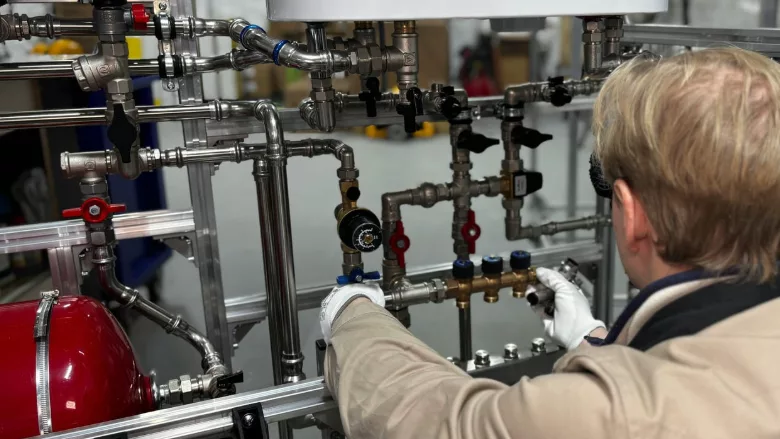
Earlier this year, Stratus released their 2025 State of the MEP Industry Report, which uses data from 140+ mechanical, electrical, and plumbing contractors. The findings show an interesting shift towards steady demand, coupled with rising operational strain that is driving greater investment in digital tools and fabrication-led workflows.
A few key findings: according to the report, fabrication is becoming an operational anchor in the industry. Contractors are using it to connect design, procurement, shop production and field installations. Contractors are increasingly using fabrication to connect design, procurement, shop production, and field installation — shifting it from a downstream activity to the coordination hub. Interestingly, labor pressure is intensifying specifically in fabrication and field install roles, which is accelerating prefabrication and workflow digitization conversations. Execution visibility also remains limited, with fewer than 30% report tracking productivity across VDC, shop throughput or material logistics in a connected; often leading to blind spots that can affect schedule certainty.
Additionally -- and critically -- digital investment is moving from experimentation to necessity. Two-thirds plan to increase investment in software and automations, mostly to reduce work and improve planning reliability.
I spoke with Jake Olsen, CEO of Stratus, to further discuss their findings, and how this data reflects broader shifts in prefabrication, interoperability and data-driven decision-making for MEP Contractors.
Q: Your 2025 State of the MEP Industry Report is based on insights from more than 140 contractors. What were the most surprising trends that emerged from this year's data?
The biggest surprise was the size of the gap between what contractors measure financially and what they measure operationally. 75% track project profitability, but fewer than 30% track things like VDC productivity or material logistics cycle time. The other standout was how clearly the data showed that firms with higher prefabrication rates, above 60%, reported meaningfully stronger revenue growth, at a +14.5% median, which really quantifies what many of us have felt anecdotally.
Q: The report suggests that demand across the MEP sector remains steady, yet operational strain is increasing. What factors are contributing to that tension between strong demand and growing pressure on contractors?
It comes down to three things converging at once: material costs rose at a median of 8% year over year, more than 50% of firms reported worsening labor availability, and the largest firms are absorbing a disproportionate share of the work. If you couple these challenges with the fact that many of the projects under construction right now have very aggressive schedules – you get a recipe for major operational strain. The contractors who have put the effort in to truly instrument and optimize their workflows are delivering against this pressure, but the majority are feeling very chaotic right now.
Q: One of the report's key findings is that fabrication is becoming the operational anchor for many MEP contractors. What does that shift look like in practice?
It means fabrication is no longer just about cutting and welding in the shop. It's becoming the coordination hub where design intent, material procurement, production scheduling, and field delivery all intersect. Contractors are expanding shop footprints, investing in automation, and hiring dedicated prefab planners to treat the shop as a managed production environment rather than a reactive service. When done right, this becomes the core competency of the business – and the central location that all materials flow through, even those that don’t get fabricated.
Q: Historically, fabrication was often treated as a downstream activity. Why are contractors now moving it closer to the center of project coordination?
Because they've realized the shop is where variability either gets controlled or compounded. When fabrication is disconnected from design and field scheduling, you get rework, late deliveries, and idle crews on site. Moving it upstream allows contractors to lock in scope earlier, reduce field labor hours, and create a more predictable project delivery cadence. However, it is not a silver bullet. If it is not integrated into the project strategy early, you can lose a lot of money trying to do fabrication.
Q: How does fabrication help connect design, procurement, shop production, and field installation in a more integrated workflow?
When fabrication is model-driven, the BIM data flows directly into shop production, which triggers material purchasing, informs scheduling, and ties to field delivery logistics. It becomes the connective tissue. Instead of each department working from its own version of truth, fabrication creates a single thread that links what was designed, what was bought, what was built, and what was installed.
Q: The report notes that fewer than 30% of contractors track productivity across VDC, shop throughput, and material logistics in a connected way. Why does this visibility gap exist? How do these data blind spots affect project schedules, cost control, or planning reliability?
The gap exists because most contractors grew up on financial reporting systems, ERPs and accounting tools based on the way they used to run their business, not the operational ones needed today. The workflows between VDC, the shop, and field are all relatively new, and contractors must adapt their metrics and measurement tools to mirror this reality. Without that connected data, you can't see problems until they hit the P&L, which means you're always reacting instead of preventing issues with scheduling, cost overruns, and material logistics.
Q: The report suggests that digital adoption is now driven less by innovation and more by operational necessity. What has changed in the industry to create that shift?
The math has changed. With material inflation outpacing labor inflation, tightening margins, and a structural labor shortage, contractors can't hire their way out of problems anymore. 64% of our respondents self-assessed as moderate digital adopters, which tells you the industry has moved past the "should we adopt technology" conversation into "which technology helps us execute better with the resources we have."
Q: Labor shortages remain a major concern across the construction industry. What did the report reveal about labor pressures specifically in fabrication and field installation roles?
Over 50% of contractors reported worsening labor conditions, with the South and Midwest hit hardest. The data shows this pressure is structural, not cyclical, and it's pushing contractors to rethink how they deploy the people they do have. That's why project management and field installation were both cited as the departments with the most room for operational improvement. Moving some of this labor into offsite fab drastically improves the available labor pool (ie. A fixed schedule, at a fixed address is a lot easier to hire for).
Q: How are contractors using prefabrication and digital workflows to help offset labor constraints?
Prefabrication moves work from the field, which is unpredictable and labor-intensive, to the shop, which is controlled and repeatable. Our data shows a direct correlation between higher prefab rates and better headcount efficiency. When you pair that with digital workflows that eliminate manual handoffs between VDC, the shop, and the field, you get more output from fewer people without burning them out.
Q: Based on the report findings, how do you expect MEP contractor operations to evolve over the next few years?
The next two to three years will be defined by contractors closing the gap between financial visibility and operational visibility. 68% plan to increase investment in shop and operational metrics in 2026, software budgets are rising, and 62% expect AI to have a significant or transformational impact by 2027. The winners will be the firms that connect planning, production, and field execution into a single data-driven loop. At Stratus – we like to call this “Data Driven Contracting.”
Q: For contractors that may still be early in their digital or prefabrication journey, what practical steps should they consider first?
Start with what you can measure and control. Our respondents said the top enablers for growing prefabrication are adding a dedicated prefab planner, standardizing design components, and pursuing contracts that drive cross-team collaboration. You don't need to automate everything on day one. Start by connecting your BIM data to your shop floor and measuring what's actually happening, because you can't improve what you can't see. There are some great purpose-built fabrication platforms for MEP contractors that will make this easy, we are partial to Stratus of course!
Looking for a reprint of this article?
From high-res PDFs to custom plaques, order your copy today!