Guest Editorial | Heather Ripley
The biggest interview mistakes plumbing contractors make with journalists
Strategic media coverage can elevate your company's reputation and position your leadership as industry experts.
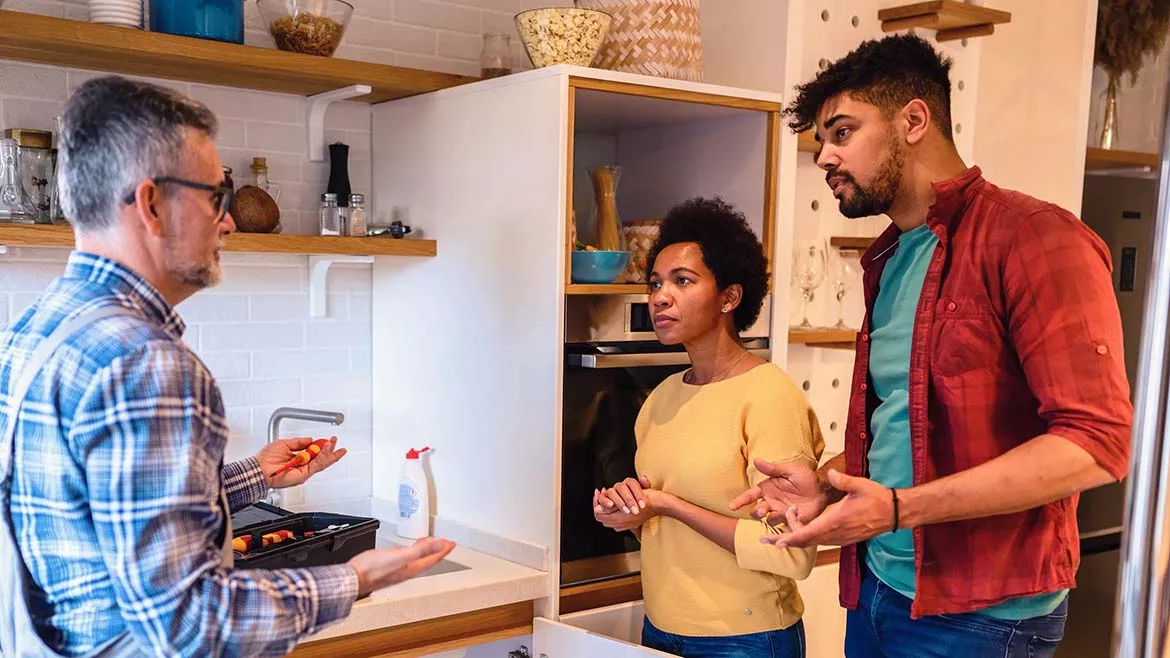
Many plumbing company owners spend most of their time focused on operations, workforce development and delivering quality service. Those priorities make sense. Running a home service business requires constant attention to schedules, staffing and customer satisfaction.
As a contractor, one area you may overlook or may not fully understand is how media visibility can promote your business more effectively than traditional marketing or advertising.
But it has to be done correctly.
Strategic media coverage can elevate your company’s reputation, position your leadership team as industry experts, and help attract both customers and employees. Media exposure rarely happens by accident. It requires a thoughtful approach to messaging, timing and relationship-building with reporters.
And that’s where a strong public relations strategy becomes valuable. Working with a PR partner can help your marketing team identify opportunities, craft compelling stories and avoid common mistakes that limit your reach or weaken your message.
With the right plan in place, media coverage becomes more than occasional publicity. It becomes a tool for long-term growth and credibility.
Treating media coverage like advertising
One of the most common mistakes contractors make is treating media coverage like advertising. When you pay for advertising, you control the message, the timing and the placement.
Earned media works differently.
Reporters are always looking for insights, expertise and useful information that benefit their audience. They are not interviewing you to publish your promotional content. When a plumbing company owner speaks to reporters using the same language he might use in a marketing email or focuses mainly on promoting services, reporters will lose interest.
The most successful media stories share knowledge, rather than sell services. If you can contribute valuable perspectives on topics such as regulatory changes affecting the industry or practical ways homeowners can protect plumbing systems during extreme weather, you help the reporter tell the story.
PR professionals can help you shape your stories so that they provide value to readers while still highlighting your expertise.
Pitching stories that are not newsworthy
Hiring a new technician or implementing a new customer retention platform may be very important to your company, but is it something the rest of the world needs to know about?
It’s not uncommon for contractors to pitch stories to the media they think are earth-shattering but that really have no broader relevance to an external audience.
Hiring one technician is unlikely to attract media attention on its own. However, if you are hiring as part of a larger effort to expand services after a natural disaster or to support rapid population growth in your community, the story becomes more interesting to a wider audience.
Journalists look for stories that connect to larger trends or issues affecting their readers. Workforce shortages, seasonal safety concerns and job market changes are all areas where your expertise and real-world perspective make a difference.
A PR team who understands the skilled trades can help you identify angles that make a story relevant to reporters and their audiences. They can also connect your company experts with timely issues journalists are already covering. This increases the likelihood that your insights will appear in their coverage.
Being unprepared for interviews
Preparation is another area where contractors sometimes fall short. Never agree to speak with a reporter without preparing key messages or examples that support your points.
If you go into long explanations filled with technical language or don’t clearly answer the reporter’s question, you will confuse reporters and readers who are less familiar with the industry’s more complex details.
Preparation helps ensure your expertise comes across clearly and confidently. Before your interview, it is important to identify the main points you want to communicate and think about how to explain them in simple language. Clear examples or brief stories can help illustrate your message and make it more memorable.
A good PR partner will provide your team with media training, message development and interview preparation. With the right guidance, you will be able to communicate your expertise in ways that resonate with reporters and their audience.
Reaching out only when you want coverage
Another mistake contractors make is contacting journalists only when they want publicity. This often happens when a company completes a major project, opens a new location or receives an award.
While those announcements can be newsworthy, strong media relationships are built through consistency and reliability. Journalists value sources who provide insight on industry trends, offer expert commentary or respond quickly when reporters need knowledgeable voices.
If you position yourself as a helpful resource, you increase the likelihood you will become a trusted source for journalists. Over time, those relationships can lead to more frequent media opportunities.
Strategic PR turns mistakes into opportunities
Media exposure can be a powerful tool for plumbing company owners who approach it strategically. Thoughtful coverage strengthens your reputation, supports your recruiting efforts and reinforces your company’s credibility with customers and industry partners.
Avoiding common media mistakes requires preparation, consistency and a clear understanding of how journalists work. With guidance from an experienced PR team, you can navigate the media landscape more effectively and ensure your expertise reaches the audiences that matter most.
Looking for a reprint of this article?
From high-res PDFs to custom plaques, order your copy today!


