Del-Air Plumbing, Air Conditioning & Electric encourages homeowners to replace builder-grade air conditioners before Dec. 31
The indoor comfort provider explains how upgrading to a high-efficiency system can save energy and reduce repair costs.
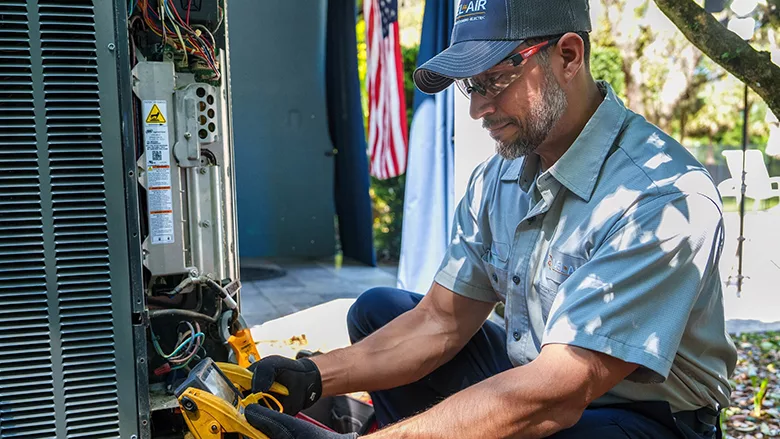
Del-Air Plumbing, Air Conditioning and Electric encourages homeowners who have builder-grade heating and cooling equipment to consider upgrading to a more efficient and dependable system to help eliminate cold spots and weak airflow, reduce energy costs and take final advantage of tax breaks.
“It’s not uncommon for contractors to install builder-grade heating and cooling equipment when constructing a new home,” said Steve Ramthun, vice president of Del-Air’s Residential Services division. “Though there may not be initial issues with basic systems, they are often installed quickly and may be the least efficient or reliable options available at the time of construction. If your home is more than eight years old and suspect you have builder-grade equipment, it may be time to consider upgrading to a higher-efficiency system that delivers better performance and more comfort, before 2025 federal tax credits, rebates and other homeowner incentives are gone forever at year’s end.”
Ramthun said a low-efficiency heating and air conditioning systems must work harder and run longer to properly heat or cool a home, leading to higher energy bills and uneven temperatures. Rising heating costs and inconsistent temperatures in the home are common signs that a home was constructed with a builder-grade air conditioning system.
Ramthun said homeowners who suspect they have a builder-grade system should look for:
- Hot and cold rooms: With builder-grade equipment and ductwork, homeowners typically notice uneven air flow from room to room, resulting in hot or cold spots. A licensed HVAC contractor can conduct a whole-home temperature assessment to help restore balanced comfort throughout the home.
- A basic thermostat: If the home has a simple, non-programmable thermostat, chances are the system is a builder-grade model. Most high-efficiency systems will typically be paired with a programmable or smart thermostat.
- Noisy operation: The components used in builder-grade systems can create more noticeable noise during operation. Higher quality air conditioning systems generally come engineered with variable-speed motors and sound isolating properties to reduce noise.
- Frequent repairs: Base-level equipment and components in a builder-grade systems may be more likely to wear quickly, requiring troublesome breakdowns and repairs even in relatively newer systems.
Ramthun said that homeowners who want to upgrade their existing equipment should do so before several federal tax credits expire on Dec. 31, 2025. These include portions of the Energy Efficient Home Improvement Credit under the Inflation Reduction Act, which currently allows homeowners to claim up to 30% of the cost of installing qualifying high-efficiency HVAC equipment, such as air conditioners, heat pumps and furnaces, up to a maximum of $2,000.
“By upgrading before the deadline, homeowners can take advantage of these federal credits to reduce their overall installation costs while improving their home’s comfort and efficiency,” Ramthun said. “Homeowners may also be eligible for federal, state and local rebates, utility rebates and year-end contractor incentives to help offset much of the initial investment of installing a new system.”
Looking for a reprint of this article?
From high-res PDFs to custom plaques, order your copy today!