
ASA joins appeal on DOE rule to change showerhead water-flow limit
New standard would allow 2.5 gpm on each showerhead nozzle.
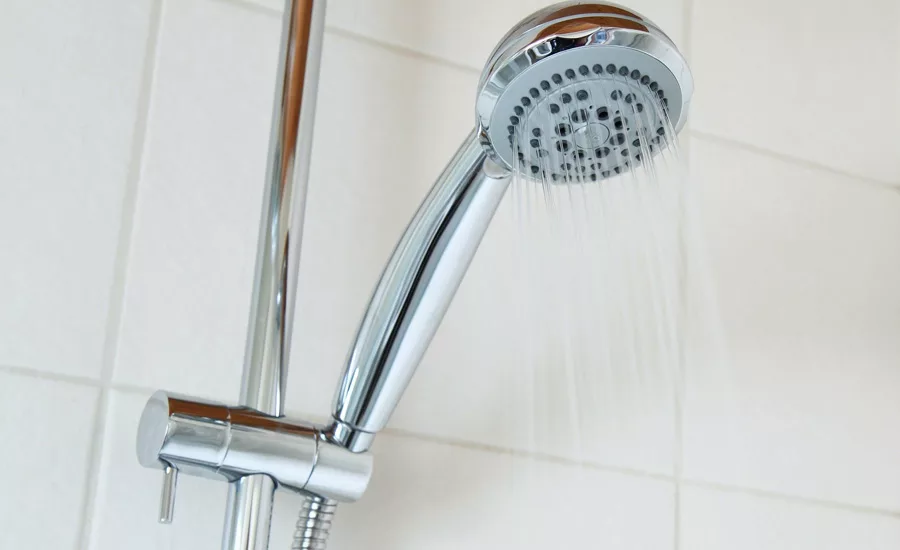
The American Supply Association (ASA) recently joined the Alliance for Water Efficiency (AWE) in its appeal to the United States Department of Energy related to allowable flow-rate changes for multi-head showers, and the subsequent negative affects it will have on business operations for ASA members, as well as overall negative water-efficiency consequences that will result.
AWE, dedicated to the efficient and sustainable use of water that advocates for water-efficient products and programs, and helps encourage and facilitate water conservation, filed two appeals to protect federal efficiency standards for showerheads, clothes washers and dryers. The appeals were filed in the U.S. Court of Appeals for the Seventh Circuit.
The suit challenges two new DOE rules: one changes the definition of a showerhead and the other creates a new class of clothes washers and dryers with no water- or energy-saving requirements. “We wanted to appeal these rules, and we are especially concerned about the impact of the showerhead rule,” said Mary Ann Dickinson, president and CEO of the Alliance for Water Efficiency. “The showerhead rule alone would waste billions of gallons of water and significantly raise consumers’ water bills. It would also severely compromise water supply availability for many water utilities, especially in the arid West.”
Under previous DOE rules, showerheads could not be sold in the United States if they released more than 2.5 gallons of water per minute. DOE’s new rule changes that regulation so each nozzle on the showerhead could meet that 2.5-gpm standard. That means, showerheads with multiple nozzles bypass the standard, expelling far more water and consuming more energy — required to heat the water — than previously allowed.
ASA Director of Codes and Standards Jim Kendzel, in signing on to AWE’s appeal, notes that since at least 2011, DOE has been clear that showerhead manufacturers and distributors may only sell showerheads in the U.S. with a maximum flow rate of 2.5 gpm, regardless of how many nozzles the showerhead may have. In addition, the AWE appeal supports the official ASA position on this issue approved by the ASA Plumbing Division Executive Council on Sept. 22, 2020.
Kendzel adds that DOE’s redefinition of “showerhead” will put ASA members at a significant competitive disadvantage. “Foreign manufacturers are and have been free to manufacture and distribute showerheads outside the U.S. that exceed the Energy Policy and Conservation Act standards,” he wrote. “ASA and its members are concerned about foreign products ready for sale and distribution in the U.S. that take advantage of DOE’s ‘showerhead’ redefinition, but would not have been compliant under the previous rule.”
Kendzel cautions the new DOE rule will further impact ASA member distributors and manufacturers in other ways. “To the extent the consumers want the high-flow showerheads that DOE now permits, manufacturers will face market pressure to make those products,” he said. “Manufacturing and distributing new products that take advantage of this rule will impose significant costs on our members relative to existing manufacturing and distribution standards, including investments in product development, design and tooling, among other costs.
“DOE’s rules will harm ASA-member distributors, as well,” Kendzel added. “To the extent consumers want to buy new high-flow products, distributors will need to carry them — whether from domestic or foreign manufacturers. The added breadth of products, with different legal status (such as compliance on a per-nozzle basis or compliance due to a short-cycle option) adds cost to distributors’ inventory systems.”
If the rules are invalid, Kendzel explains, the affected products will eventually become unlawful again.
“Distributors face being left with stranded inventory, lawful to sell for a temporary period and then prohibited again,” he said. “Simply not carrying products in the interim is not a sound option; as businesses serving diverse customers, and distributors ordinarily need to respond to customer demand. Retaining the status quo pending judicial review of the rules will alleviate harm to ASA’s member distributors.”
The legal appeal against the showerhead rule is not the first effort by groups to protect showerhead efficiency. In October, Environment America submitted more than 10,000 member comments pushing back against this rule. In addition to Environment America, U.S. PIRG, the federation of state public interest research groups, and their state organizations submitted comment urging DOE to protect consumers and the planet by maintaining showerhead efficiency standards.
AWE also submitted detailed comments signed by 60 water utilities and other organizations to DOE about the showerhead rule.
Looking for a reprint of this article?
From high-res PDFs to custom plaques, order your copy today!


