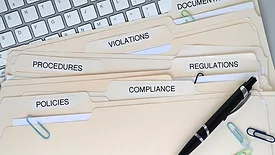
Staying up to date on consensus standards is essential for system designers, manufacturers, and facilities managers to ensure compliance and minimize liability. Recently, I’ve compiled activities relevant to the plumbing and mechanical industries.
In 2016, Natural Resources Canada ("NRCan") released Amendment 18 to the Energy Efficiency Regulations, enhancing energy efficiency and water conservation. It introduces new product categories, updates existing requirements, and allows automatic adoption of future U.S. Department of Energy updates.
Throughout this period, global governments have been notably active on issues related to chemicals, household equipment, HVAC equipment, mechanical systems, plumbing products, protective equipment, and water heating appliances. I have curated the policy changes to save you time and keep you informed and ahead of the curve.
The U.S. EPA WaterSense program promotes water conservation by certifying products that save water without sacrificing performance, helping consumers select high-performing, water-efficient products.
As the second Trump administration gets underway, it has taken an aggressive approach to reducing the energy efficiency and water conservation federal regulations that have been the subject of numerous United States (U.S.) rulemakings and court cases over the last few decades.
The second United States Trump administration embarked on a deregulatory agenda, particularly in the water, environmental, and products sectors. President Trump started the release of executive orders, memos, and presidential actions in many areas that may be of interest to contractors, engineers, and manufacturers.
As 2025 approaches, the U.S. Department of Labor prepares to unveil its annual inflation adjustments to civil monetary penalties. This year's updates will significantly affect OSHA penalties in the plumbing and mechanical industries. Stay informed about the key changes that could impact your business.
Formaldehyde, vital in resins and adhesives, poses serious health risks, with the U.S. EPA identifying 58 unsafe uses. Regulatory action is needed, but the impact of a potential second Trump administration on these regulations remains uncertain, highlighting concerns for public safety.
As 2025 begins, it's a moment for renewal. In November 2024, ECHA and European authorities updated the REACH proposal to restrict PFAS, aiming to ban them while permitting temporary use until alternatives are available.