The PHCP-PVF industry has been fighting stereotypes for decades. Though the world seems to be coming around, and more people are recognizing the opportunities available in the trades, it hasn’t happened without a fight. And it certainly hasn’t happened overnight. That makes this contest, recognizing the people who decided to dedicate their careers — their life — to this industry, all the more important.
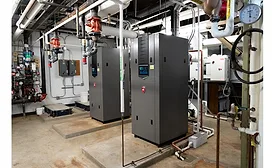
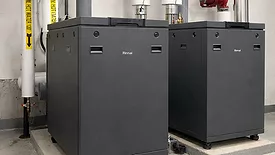
Tasked with protecting valuable artwork while controlling operating costs, the Tacoma Art Museum upgraded its heating system with Lochinvar Crest with Hellcat boilers. The retrofit has delivered energy savings of more than 10% while helping the nonprofit secure grant funding for the project.
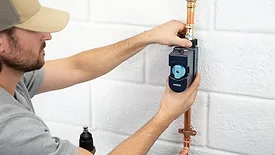
From AI-powered leak detection to smart faucets, water heaters, and bottle filling stations, connected plumbing is reshaping how water systems are managed. Learn how intelligent plumbing technology is reducing maintenance costs, conserving resources, improving hygiene, and creating new opportunities for contractors and distributors.
As commercial building owners continue to navigate economic uncertainty, labor shortages and changing customer demands, retrofit and renovation work is becoming a key opportunity across the plumbing market. In this article, learn where the commercial market is headed and how manufacturers, wholesalers, and contractors can adapt.
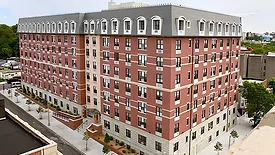
The eight-story, 130,000-square foot Silverleaf Hall includes 55 units under contract with NYS Supportive Housing Program for formerly homeless families and 63 affordable units available to single adults and families earning less than 80% AMI.
Contractors and engineers see a marketplace that is stabilizing, even if margins remain tight. “We remain cautiously optimistic about plumbing industry market conditions in 2026,” says Jason Pritchard, president of the Plumbing-Heating-Contractors—National Association (PHCC). He notes that while uncertainty remains, moderate growth is expected for plumbing and HVAC contractors, though high prices driven by tariffs and inflation will continue to shape consumer behavior.
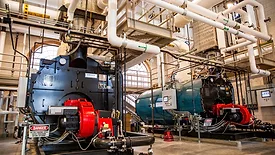
Driven by advancements in refrigerants, controls and system design, modern heat pumps are taking on applications once thought beyond their reach — from food service and healthcare to district energy and industrial processes. This evolution is creating new opportunities for engineers, facility owners and contractors to rethink how buildings are heated, cooled and powered.
In 2016, Natural Resources Canada ("NRCan") released Amendment 18 to the Energy Efficiency Regulations, enhancing energy efficiency and water conservation. It introduces new product categories, updates existing requirements, and allows automatic adoption of future U.S. Department of Energy updates.

 RSS
RSS