Nearly 60% of Gen Z Is Considering Skilled Trades Careers
Gen Z is increasingly interested in skilled trades careers, but attracting and retaining this generation will require new approaches to training, mentorship and workplace culture.
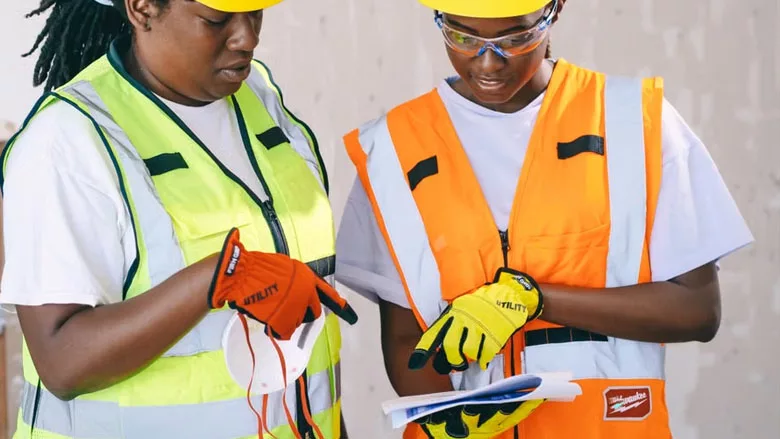
The skilled trades shortage is something that we hear about often; ways we can fix it, why it’s so prevalent, and ways that we as an industry can cope with the aging-out workforce. However, recent data shows that nearly 60% of Gen Z workers are considering a career in the skilled trades.
That’s no small number! 6 in 10 Gen Zers plan to pursue blue-collar work in 2026, including half of those with higher education.
“For a long time, society told young people that success meant four years of college and a mountain of debt. Gen Z is waking up to a different reality.” Master Advisor at CEO Warrior, Kevin Hill explained. “They’re watching friends graduate with $80,000 in loans and no clear career path, while people in the trades are earning great money, building skills, and even starting businesses.”
According to Hill, the trades offer something powerful, and something that many Gen Zers are now beginning to see. “You can learn, earn, and build a future at the same time.”
A skilled plumber, for example, can
Solve complex mechanical problems
Earn six figures
Build a company that serves thousands of homes
Protect public health
Hill believes that it’s that last point that matters more to Gen Z workers.
“Young people want real impact. They want to fix things, build things, and solve problems that matter. When you restore someone’s heat in the middle of winter, stop a flooded basement, or repair a failing water heater, that’s not just a job — that’s purpose.”
It’s true; Gen Z seems to dread the feeling of their work not being meaningful. They want to know that the work they’re doing matters, that they aren’t just working for a paycheck, but really making a difference. The skilled trades give them that.
“Plumbing, HVAC, and electrical work literally protect the health, safety, and comfort of families.
The opportunity in the trades has never been bigger. The question isn’t whether Gen Z will come into the trades. The question is whether the industry is ready for them.”
Preparing the Industry
Gen Z workers have different expectations than their predecessors. For years, verbal instructions, outdated technology, inconsistent training and unclear expectations have been the norm. That simply doesn’t work for the next generation.
“This generation grew up with structure, technology, and access to information. When they walk into a company that operates like it’s still 1995 – handwritten work orders, unclear dispatch or “just ride with Joe and figure it out” training – they check out fast.
Hill recommends asking some tough questions about your current processes:
Do you have a clear apprentice-to-technician training roadmap?
Do plumbers know what success looks like on every service call?
Are you tracking KPIs like average ticket, conversion, and callbacks?
Do we give technicians the tools to diagnose and present options confidently?
“Companies that build strong systems will attract Gen Z. Companies that don’t will struggle to keep anyone.”
What Gen Z workers are really asking for is more clarity. According to Hill, they want to know why their work matters, what success looks like, and how to grow in the company. It’s there that the skilled trades (and plumbing in particular) have an advantage. Each and every day, plumbers are protecting water quality, preventing property damage, and restoring sanitation and health in homes.
“When a sewer line backs up or a water heater fails, that’s not an inconvenience. It’s a real problem for that family.” That’s the purpose that Gen Z workers crave.
“But purpose alone isn’t enough. Leaders also have to connect performance to opportunity.” Hill recommends that leaders show their Gen Z workers:
How mastering plumbing diagnostics leads to higher income.
How great service leads to leadership opportunities.
How their effort builds a career.
That’s the key to creating an environment where Gen Z workers feel engaged and supported. “When people know the mission and see the path forward, motivation takes care of itself.”
Another important aspect: being ready to incorporate more technology into the way you run your business. It's certainly no secret that young people are used to more technology in their everyday lives; why wouldn't that include in their work, too?
Hill notes seeing companies adopt:
- Feld service platforms like ServiceTitan or Housecall Pro
- Digital plumbing inspection checklists
- Video training libraries for diagnostics and installs
- Performance dashboards showing KPIs like revenue per call
- Internal communication tools like Slack or Teams
"Gen Z expects information to be fast, visual, and accessible. That’s why the best plumbing and home service companies are building systems around technology that supports performance ... Technology should do three things: train people, guide behavior, and track performance. When systems make it easier for technicians to succeed, engagement skyrockets. Because the truth is simple: people don’t resist accountability — they resist confusion."
How to Manage Gen Z Workers
In some cases, managers have noted that Gen Z responds to feedback differently than previous generations. You want your new workers to grow and be successful, but you’re worried that you can’t correct them without potentially hurting their confidence, or their desire to continue in the industry.
According to Hill, the biggest mistake that leadership makes is thinking that feedback means pointing out mistakes. “That’s not leadership. That’s complaining.”
Don’t just tell them what they’ve done wrong. Coach them; don’t criticize them. “Great leaders make feedback immediate, specific, and tied to improvement.”
“For instance, instead of saying, ‘That service call didn’t go well.’ Say: ‘Your diagnosis was strong, but you missed the opportunity to explain the long-term solution to the homeowner. Next time, present the repair and the replacement option so they can make the right decision.’”
The next generation of workers want to improve. “They grew up in environments with coaching, sports, and constant feedback … They need a playbook.”
So, how can you create a structure that works for Gen Z? Mentorship programs are a great option, but it’s important to cultivate that relationship. “Too many companies pair a new apprentice with a veteran plumber and hope mentorship happens by accident. Hope is not a system.”
Instead of sticking two people together and hoping for the best, define what mentorship means to both parties clearly. According to Hill, it’s important that they need to know:
What mentors teach (diagnostics, safety, customer communication)
What apprentices must demonstrate to advance
How progress is measured.
It’s also important to remember that your more experienced technicians need guidance, too. They might feel that they’re training their replacement; something that can create uncomfortable feelings. Hill wants veteran technicians to understand: “Teaching someone else doesn’t threaten your value – it multiplies it. When experienced plumbers become mentors, they don’t just build technicians. They build the next generation of professionals who protect the trades.”
Building a culture where everyone feels valued can greatly affect your retention.”Young workers … stay where they see growth, leadership, and opportunity.”
Hill recommends three steps: Create a visible career path. “Show them exactly how someone goes from apprentice to service plumber to field supervisor or operations leader. Next, invest heavily in the first 90 days. “The onboarding experience determines whether someone commits to the company, or starts looking for the exit. Finally, build a culture of accountability and recognition. “Track performance. Celebrate wins. Coach consistently.
At the end of the day, culture isn’t a speech or a poster on the wall. Culture is what leaders tolerate, reinforce, and repeat every day. When young people walk into a company where the standards are high, the systems are clear, and the leaders actually care about their growth, they don’t just stay. They build their future.”
Looking for a reprint of this article?
From high-res PDFs to custom plaques, order your copy today!