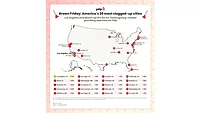
Brown Friday: Preparing for Plumbing Emergencies
From clogged drains to missed service calls, the day after Thanksgiving presents unique challenges for plumbing contractors. Industry experts share how businesses can prepare for the holiday rush.
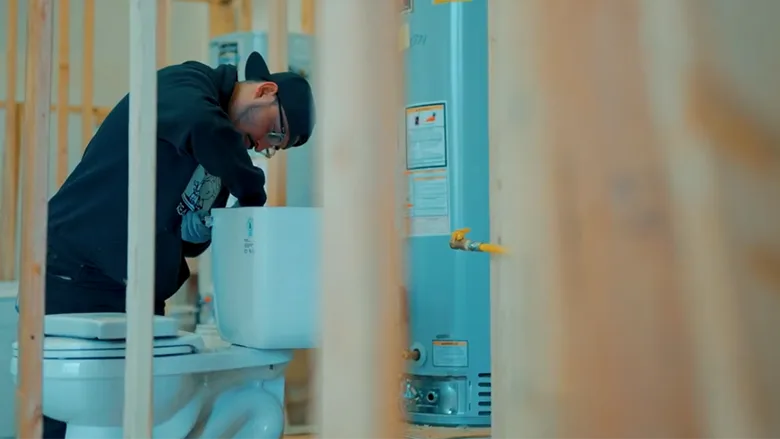
For most Americans, the day after Thanksgiving is a day of leftover turkey, holiday shopping and a chance to recover from the previous day's festivities — and full stomachs. But, for plumbing contractors, it often means something entirely different: clogged drains, backed-up toilets and phones that won't stop ringing.
Known throughout the industry as "Brown Friday," the day after Thanksgiving has earned a reputation as one of the busiest days of the year for residential plumbers.
According to Roto-Rooter, service calls increase approximately 50% compared to a typical Friday. A 2026 survey from SupplyHouse also found that 41% of plumbers received more service requests on the day after Thanksgiving than on an average Friday, while 23% reported at least twice as many.
The SupplyHouse survey, which included 219 working U.S. plumbers, also found that 72% have been called away from their own Thanksgiving dinner to respond to a job.
For smaller plumbing businesses, that surge can be especially challenging. Many are operating with reduced staffing during the holiday weekend, leaving contractors to balance emergency repairs, customer expectations and time with their own families.
While preparing for the increase in plumbing emergencies is important, making sure someone is available to answer the phone can be just as critical.
When Thanksgiving Dinner Becomes a Plumbing Emergency
The causes of Brown Friday's plumbing problems are often hiding in plain sight: cooking grease, potato peels, leftover stuffing and other holiday food scraps.
According to SupplyHouse, 49% of plumbers identified pouring grease, fat or oil down the sink as the most common mistake Thanksgiving hosts make. When asked which holiday food causes the most damage to pipes, 57% pointed to turkey grease, followed by potato peels at 19%.
Stone Carney, Plumbing Instructor at the National Technical Institute (NTI), echoed those concerns.
"Thick foods like gravy and pan juices do not flush cleanly through drain lines once they cool," Carney explained. "They solidify along pipe walls, progressively narrowing the passageway until drainage slows or stops entirely."
Other foods can create problems for garbage disposals. Fibrous vegetables such as celery, asparagus and green beans can become tangled in disposal components, while starchy foods like potatoes and stuffing can contribute to buildup inside drain lines.
"One of the most persistent misconceptions in residential plumbing is that garbage disposals function as a catch-all for kitchen waste, but that assumption leads directly to some of the most avoidable holiday service calls contractors receive," Carney said. The problems aren't limited to the kitchen, either.
"A holiday gathering places stress on far more than the kitchen sink," he explained. "The combined demand of multiple guests increases the water volume moving through the home all at once."
More family staying under one roof means more consecutive showers, increased dishwasher use and additional bathroom traffic, all of which can expose existing weaknesses in aging or poorly maintained systems.
SupplyHouse's findings reflect that variety. Among plumbers who most recently completed a Thanksgiving weekend repair requiring a part, 25% reported garbage disposal repairs or replacements, followed by toilet repairs at 24%, pipe repairs at 19% and water heater repairs at 15%.
For contractors, that means preparing for a range of service calls rather than focusing exclusively on clogged kitchen sinks.
"Smart preparation before the holiday weekend separates contractors who respond quickly from those who get overwhelmed," Carney said.
Businesses should also consider communicating preventive maintenance tips to customers ahead of the holiday, including reminders about proper grease disposal and warning signs such as slow drains, gurgling toilets and unusual odors.
The Cost of a Missed Call
While plumbers prepare their trucks and equipment for the holiday rush, another challenge awaits: managing the influx of customer calls.
"The calls all come at once, right when small shops have the fewest people around to answer them," said Tom English of 800.com. For a small plumbing company, the challenge certainly isn't a lack of demand; it's having someone available to respond when that demand arrives.
English noted that homeowners experiencing an urgent plumbing problem are unlikely to wait patiently for a callback.
"They hang up and call the next plumber on the list," he said. "Very few people with water on the floor leave a message and wait for a callback."
Those calls can represent significant revenue. SupplyHouse found that the average Thanksgiving weekend plumbing service call costs $287, approximately 57% more than a standard weekday visit. Among surveyed plumbers, 84% reported charging more for holiday weekend service.
That makes response time particularly important during a weekend when many businesses are closed or operating with limited staff. English recommends establishing a clear after-hours call-handling plan before the holiday begins.
Some contractors may choose to rotate on-call technicians, while others can use call forwarding, answering services or AI-powered receptionists to collect information and route urgent requests. Regardless of the technology involved, the goal is to ensure emergency calls reach someone who can respond.
"Most businesses lose these calls because nobody planned the handoff," English said.
Knowing What Requires Immediate Attention
Not every holiday plumbing problem requires an emergency dispatch, making call screening another important consideration.
English recommends collecting basic information from every caller, including their address, callback number, the nature of the problem and whether they've been able to shut off the water.
"Expect nearly every caller to say it's an emergency," he said.
Active flooding and sewage backups generally warrant immediate attention, while a slow drain may be able to wait until regular business hours.
Carney advises homeowners to contact a licensed plumber when they experience multiple simultaneous plumbing problems, sewage backups or active leaks. He also cautions homeowners against trying to fix problems on their own.
"Some DIY fixes that can worsen the situation include continuing to run water over a blocked drain and pouring chemical drain cleaner into pipes," Carney warned. "Chemical drain cleaners may appear to work in the short term, but they can corrode pipe walls and drive the clog further into the line, making the repair more difficult and costly."
For contractors, clearly communicating what constitutes an emergency can help prioritize service calls while reassuring customers whose problems can safely wait.
Preparing Before the Phones Start Ringing
Fortunately, contractors don't need to completely overhaul their operations to improve their holiday readiness.
English recommends starting with a simple exercise: Call your own business after hours and listen to what customers experience.
"If it rings eight times and hits a full mailbox, that's what a homeowner with a flooded basement hears, too," he said.
From there, contractors can establish call-forwarding procedures, confirm on-call availability and update their voicemail greetings and Google Business Profiles with accurate holiday hours.
Meanwhile, Carney from NTI recommends ensuring technicians have the necessary parts and equipment, keeping emergency scheduling flexible and considering additional evening or weekend coverage when demand warrants it.
"Businesses can prepare for the spike in service calls by ensuring they have enough staff available for emergency repairs, conducting a thorough parts and inventory check to have enough stock, staging sewer and drain equipment ahead of time and keeping the call schedule as flexible as possible to absorb last-minute bookings," Carney said.
Together, those preparations can help contractors respond more efficiently without leaving customers wondering whether help is coming.
Brown Friday may be an annual occurrence, but the lessons extend well beyond Thanksgiving weekend. For plumbing businesses, having the right equipment, available technicians and reliable customer communication can make the difference between a manageable surge in service calls and a missed opportunity to serve customers when they need help most.
Looking for a reprint of this article?
From high-res PDFs to custom plaques, order your copy today!